How to Choose Marine Upholstery Foam?

Choosing Marine upholstery foam is not simply a comfort decision. It affects drying time, body support, odor control, and the service life of boat seating.

Grand View Research’s polyurethane foam market analysis identifies automotive, furniture, and marine applications as important performance-driven segments. Its findings also reflect a wider shift toward lighter, more durable foam systems. However, market reports rarely explain what happens inside a damp cockpit. That is where practical judgment matters. A foam sample may feel soft in a showroom, yet compress badly after repeated use.

Marine author and systems specialist Nigel Calder offers a useful reminder: “A boat is a system, not a collection of parts.” Foam must work with the cover fabric, drainage design, ventilation, and seat structure. Ignoring one part can shorten the whole assembly’s life.

ASTM D3574 provides recognized tests for flexible polyurethane foam, including density, compression, and tensile performance. These measurements help, but they do not perfectly predict salt spray, sunlight, or trapped moisture. That limitation deserves attention.

For most seating, buyers should compare density, firmness, recovery, water resistance, and expected usage. High-density foam usually provides better support, but density alone does not guarantee comfort. A fishing boat used for eight hours needs a different balance than a lightly used weekend cruiser.

Look beyond the label. Ask for test data.

The wrong foam can feel comfortable for one afternoon. Then it may stay wet for days. A careful choice considers real boating conditions, not just showroom softness.
How to Choose Marine Upholstery Foam?

What Marine Upholstery Foam Is and Why It Matters

How to Choose Marine Upholstery Foam?

Marine upholstery foam is the resilient material beneath seat fabric, cushions, and sun-pad covers. It supports the body while handling moisture, movement, heat, and repeated compression. Unlike ordinary indoor foam, marine foam must dry efficiently after spray, rain, or accidental spills. Its performance depends on density, firmness, cell structure, and drainage design. Density affects durability, while firmness controls sitting comfort. They are not the same thing.

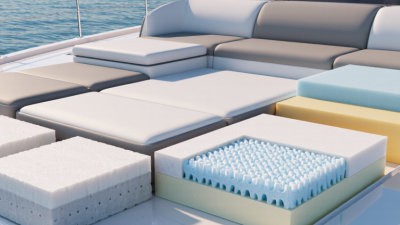
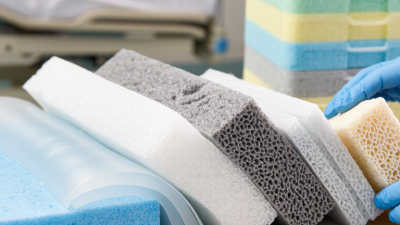
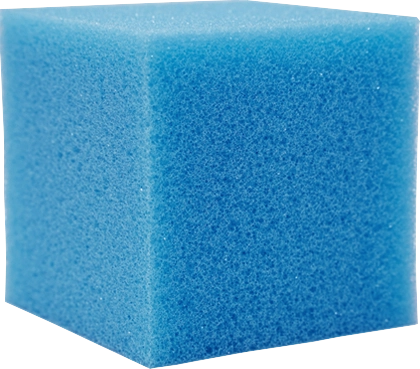
Water management matters. Standard open-cell foam can absorb water and remain heavy for hours. Reticulated foam has a more open structure, allowing water and air to pass through quickly. It often suits cockpit cushions and exposed seating. Closed-cell foam resists absorption, but it may feel less comfortable and can retain heat. I once underestimated cushion thickness during a refit. The seat looked neat, yet the edge compressed too easily. That mistake showed me that measurements need testing, not guessing.

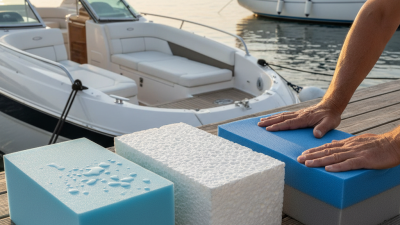
Tips: Press a sample for ten seconds. Watch how quickly it recovers. Check its density and firmness separately. Place it on a wet surface and observe drainage. Measure the original cushion, including compressed areas. Leave enough room for the cover, seams, and piping. A slightly softer sample may feel pleasant at first, but daily use can expose weak support. Ask how the foam handles ultraviolet exposure and repeated drying. Small differences become obvious on a hot afternoon.

How to Assess Marine Seating Conditions and Foam Requirements

How to Choose Marine Upholstery Foam?

Marine seating conditions determine the foam you actually need. Start with the boat’s environment, not the catalog description. Check whether the seat faces intense sun, frequent spray, rain, or enclosed cabin moisture. Look for flattened areas, torn edges, musty smells, and foam that crumbles when squeezed. These signs often reveal trapped water or aging material.

Press the foam firmly and watch how quickly it recovers. Slow recovery can indicate fatigue. Measure the seat length, width, thickness, and curved sections after removing the cover. Measure twice. Record every shape, including the front edge and drainage gaps. Seat bases usually need firmer, denser foam because they carry concentrated body weight. Backrests can use softer foam for comfort. Helm seats may require stronger support than occasional lounge cushions.

Open-cell foam can feel comfortable, but it may hold water after heavy spray. Quick-draining foam helps when air can move through the cushion and escape below. Closed-cell foam resists water absorption, yet it can feel less forgiving and may not suit every contour. Do not choose by firmness alone. Match the foam to the cover fabric, ventilation, and cushion thickness. A tight cover can make soft foam feel firmer. I once judged a replacement by touch and ignored the seat’s poor drainage. That mistake shortened its useful life. Check the complete seating system before ordering.

How to Choose Marine Upholstery Foam?

Condition-based planning ranges for marine seating foam

How to read the chart: Higher-use seating generally needs higher-density foam to resist permanent compression. Sheltered backrests can use lighter foam, while exposed seats and helm cushions benefit from approximately 2.2–3.0 lb/ft³ high-resilience foam and about 4–7 inches of cushion thickness. For wet locations, use a quick-draining foam structure and moisture-resistant upholstery; density alone does not provide drainage or prevent mildew.

The values shown are practical marine-upholstery planning ranges expressed as representative midpoints, not mandatory regulations. Final selection should also consider user weight, seat span, cushion shape, ventilation, UV exposure, and whether the cushion will regularly become wet.

Which Foam Types and Densities Suit Different Boat Areas

How to Choose Marine Upholstery Foam?

Choosing marine foam starts with the boat area, not appearance. Each space faces different moisture, pressure, movement, and temperature changes. Density describes weight per cubic foot. Firmness describes resistance under load. They are related, but not identical.

For cabin berths and interior cushions, high-resilience polyurethane foam usually offers balanced comfort. A density of 2.0–2.5 lb/ft³ suits many cushions. Heavier-use seating may benefit from 2.5–3.0 lb/ft³ foam. Medium firmness works well for sleeping surfaces. Seat bottoms need firmer foam, often around 35–45 ILD, to reduce bottoming out. I would test a sample before ordering. Numbers can mislead.

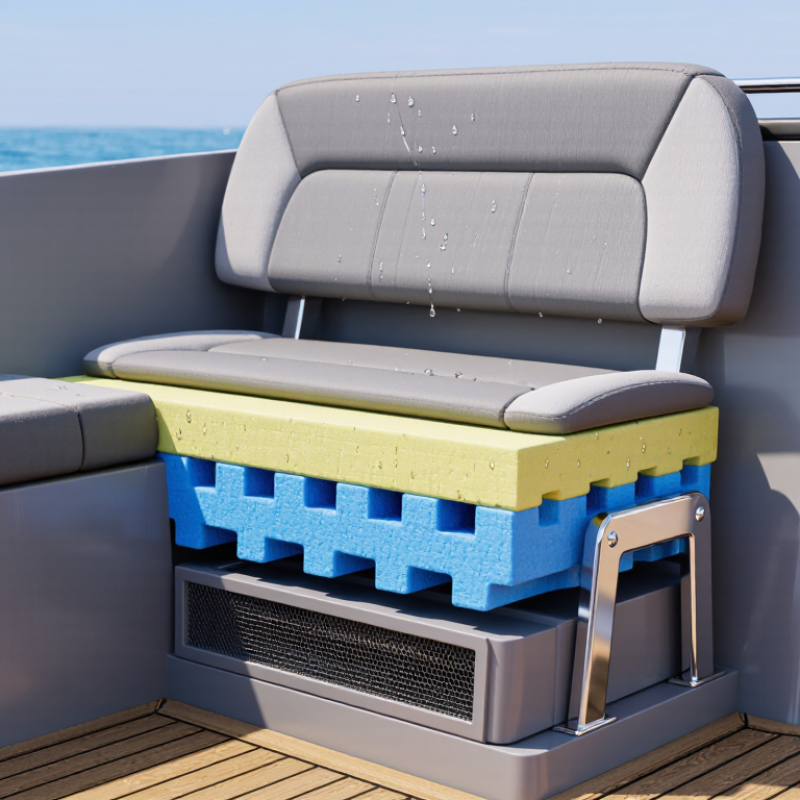
Cockpit seats and sun pads need faster drainage. Reticulated open-cell foam lets water pass through quickly when covers include proper drainage panels. It dries efficiently, but feels less luxurious. Use thicker foam for loungers, while keeping enough clearance around helm controls. Backrests can use softer, lower-density foam because they carry less body weight. Closed-cell foam suits kneeling pads and protective areas, but it may feel too rigid for extended sitting. A practical fitting check matters: sit, lean, and inspect the cushion after compression. Some layouts still require compromise. Good marine upholstery balances recovery, drying time, support, and available space.

How to Choose Marine Upholstery Foam? - Which Foam Types and Densities Suit Different Boat Areas

Boat Area Typical Use Conditions Recommended Foam Type Suggested Density Suggested Firmness Key Selection Considerations
Cockpit Bench Seats Frequent sitting, direct exposure to humidity, occasional spray, and regular movement. High-resilience polyurethane foam with an open-cell structure, protected by a water-resistant cover. 35–45 kg/m³ Choose a higher-density grade for daily use and thicker cushions. Use a quick-drain cover or ventilated cushion construction where practical.
Helm and Driving Seats Longer periods of seated use, repeated compression, vibration, and frequent entry and exit. High-resilience polyurethane foam, optionally combined with a firmer support layer beneath a softer comfort layer. 40–55 kg/m³ Higher density helps resist permanent compression. A contoured cushion and durable upholstery are important for comfort and service life.
Cabin Dinette Cushions Extended indoor seating with moderate compression and limited direct weather exposure. High-resilience polyurethane foam or layered polyurethane foam construction. 30–40 kg/m³ Balance support and comfort. Medium firmness is usually suitable for sitting, while a softer top layer can improve comfort without sacrificing support.
V-Berth and Sleeping Berths Overnight sleeping, body-weight distribution, and use in a relatively enclosed cabin. High-resilience polyurethane foam with a softer comfort layer; latex may be considered where greater resilience and ventilation are desired. 30–45 kg/m³ Density should be selected together with thickness and sleeper weight. A thicker cushion can often provide comfort without using an excessively soft foam.
Sunpad and Bow Lounge Sun exposure, wind, spray, frequent lounging, and possible storage of cushions outdoors. Reticulated open-cell foam for rapid drainage, or high-resilience foam used with a well-ventilated, water-resistant cover. 35–45 kg/m³ Drainage and drying are as important as density. Avoid enclosing wet foam in a non-breathable cover because trapped moisture can encourage odor and microbial growth.
Swim Platform and Wet-Area Pads Direct water contact, rapid drainage requirements, bare feet, and high humidity. Reticulated open-cell polyurethane foam designed to allow water and air to pass through. 25–40 kg/m³ Prioritize drainage, drying speed, and cover breathability. The foam should be secured so that it does not shift during boarding or water activity.
Backrests and Bolsters Lower load than seat cushions, but repeated leaning, flexing, and exposure to vibration. High-resilience polyurethane foam, shaped foam, or a slightly softer foam over a firmer structural layer. 25–35 kg/m³ Backrests generally need less firmness than seat bases. The selected foam should maintain its shape without creating excessive pressure against the back.
Convertible Seat-to-Bed Cushions Used both for sitting and sleeping, often folded or rearranged during the day. High-resilience polyurethane foam with consistent support throughout the cushion; layered foam can provide a better compromise. 35–45 kg/m³ Use foam that flexes without losing shape. Cushion thickness, hinge or fold location, and seam placement should be considered together.
Removable Outdoor Cushions Intermittent outdoor use, storage between trips, and exposure to humidity or spray. High-resilience polyurethane foam with a breathable water-resistant cover; reticulated foam is suitable where rapid drainage is essential. 30–45 kg/m³ Removable covers, ventilation, and the ability to dry cushions completely help reduce moisture-related problems and extend service life.
General guidance: Foam density indicates mass per unit volume and is not the same as firmness. Actual comfort and durability also depend on foam thickness, indentation force deflection, cushion shape, user weight, ventilation, cover fabric, and how well the foam can dry after exposure to water. Always confirm suitability with the foam supplier and the boat's construction requirements.

How to Choose Foam Thickness, Firmness, and Water Resistance

How to Choose Marine Upholstery Foam?

Choosing marine upholstery foam starts with the way the seat will be used. A cockpit bench needs different support than a cabin cushion. For most boat seating, foam around 3 to 5 inches thick provides comfort without making the cushion look bulky. Thin foam may feel firm against the seat base. Very thick foam can raise passengers too high and strain covers.

Firmness matters just as much as thickness. Medium-firm foam usually supports adults while remaining comfortable during long trips. Softer foam feels pleasant at first, but it can flatten quickly under repeated use. High-density foam generally keeps its shape better. However, density and firmness are not identical. Ask for both specifications before ordering.

Water resistance needs careful thought. Open-cell foam can absorb water and stay damp inside, even when the surface feels dry. Reticulated, quick-draining foam allows air and water to pass through faster. It works well for exposed seats, especially when cushions have drainage gaps beneath them. Closed-cell foam resists water better, but it may feel less comfortable and can be harder to shape. I once chose foam based only on softness; that was a mistake. The cushion felt excellent, yet dried slowly after rain. Measure the seat frame, test a sample, and consider shade, ventilation, and cleaning habits. Local marine upholstery professionals can also check compression, seam pressure, and support needs before fabrication.

How to Measure, Cut, and Install Marine Upholstery Foam

How to Choose Marine Upholstery Foam?

Measuring accurately makes marine upholstery foam easier to cut and install. Remove the old cushion and inspect its shape, thickness, and compression. Measure the seat length, width, and every corner separately. Boat compartments often look symmetrical, but they rarely are. My first instinct was to trust one measurement. That created a visible gap.

Make a cardboard template for curved or angled cushions. Mark the front, back, and top surface clearly. Transfer the template onto the foam, then check the grain and thickness before cutting. A sharp electric carving knife usually gives cleaner edges than a dull blade. Cut slowly, using a long straightedge for flat sections. Do not force the blade through dense foam. It can create slanted edges.

Tips: Measure twice, cut once. Keep each piece labeled. Leave no extra foam unless the cover design requires it. Test the cushion inside the boat before applying adhesive. The foam should sit firmly without buckling or stretching the fabric. For damp environments, select foam suited to marine use and confirm its drying performance with the supplier. Install adhesive only in a well-ventilated area, following the product instructions. I sometimes prefer a dry fit first, because small adjustments are easier before bonding. Foam can hide mistakes, but covers will reveal them.

Let's Work Together

The most innovative products come from the most innovative people - and for over 55 years our team has been propelled by curiosity and a steadfast dedication to inventing and creating the best foam formulations for our customers.