7 Best Marine Upholstery Foam for Boat Seats?

Choosing the right Marine upholstery foam can change how a boat feels after a long day on the water. It affects comfort, drying time, odor, and cushion life. Salt spray, sunscreen, rain, and intense sunlight create a demanding environment. A foam that feels soft in a showroom may flatten quickly on a damp deck.

Don Casey, a respected marine maintenance authority, famously said, “A boat is a hole in the water into which you pour money.” His warning applies to seating choices, too. Cheap foam can become an expensive replacement when it absorbs water, develops mildew, or loses support beneath the fabric. The best options usually balance density, resilience, drainage, and resistance to repeated compression.

This guide examines seven practical foam choices for boat seats. We will compare dry-fast foam, reticulated foam, closed-cell foam, and traditional upholstery grades. Each type has strengths. None is perfect. Some drain quickly but feel firm. Others provide plush comfort but need careful moisture control. That trade-off matters.

Pay attention to cushion thickness and seat design. A three-inch cushion behaves differently from a five-inch cushion. Ventilation underneath also matters. Small drainage gaps can prevent trapped water after a sudden storm. Still, recommendations can be imperfect because boats, climates, and usage patterns vary. A fishing skiff in Florida needs different foam than a covered cruiser in northern Europe.

The goal is simple: identify Marine upholstery foam that remains supportive, dries reasonably fast, and survives real marine conditions. Comfort matters. So does recovery after every wet weekend.
7 Best Marine Upholstery Foam for Boat Seats?

What Marine Upholstery Foam Is and Why It Matters for Boat Seats

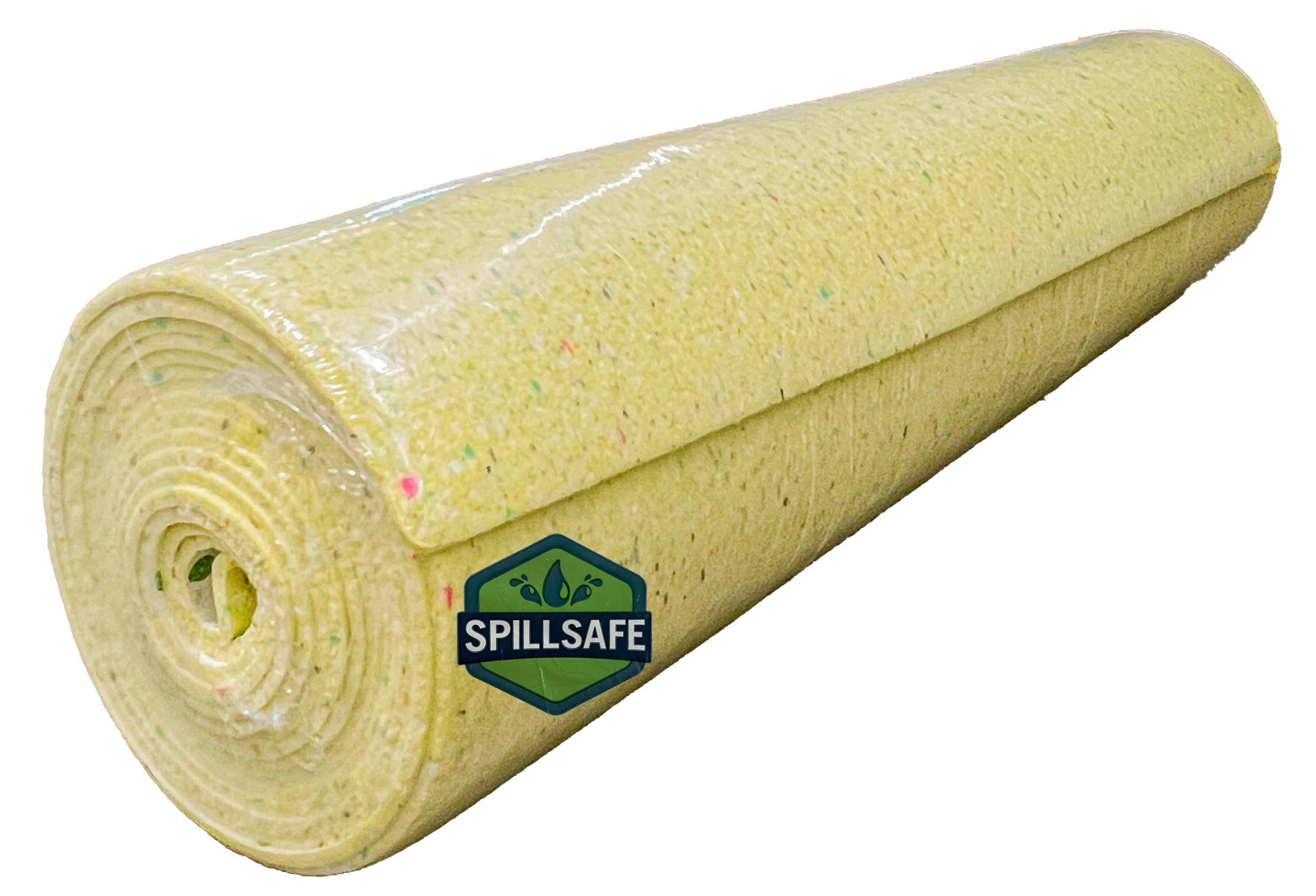
Marine upholstery foam is the hidden structure beneath a boat seat. It controls comfort, drying speed, support, and long-term shape retention. It is not simply ordinary cushion foam with a marine label. Most seat cores use flexible polyurethane foam, commonly open-cell. Open cells improve airflow, but they can hold water after spray or rain. Closed-cell foam resists water absorption and adds buoyancy. However, it often feels firmer and less forgiving. That trade-off matters at the helm.

The 2023 Recreational Boating Statistical Abstract counted about 11.6 million registered recreational boats in the United States. That large installed base makes replacement quality more than a cosmetic concern. ASTM D3574 evaluates foam density, indentation force, tensile strength, and compression set. These tests help compare samples before fabric covers the cushion. Density is important. Yet density alone cannot predict comfort or drainage. Seat thickness, temperature, sunlight, and ventilation also change performance. Use test data, not touch alone.

A 2024 global polyurethane market report valued the material market at roughly 78 billion dollars in 2023. That figure covers many industries, not marine seating, but it shows how advanced foam engineering has become. A quick-dry open-cell core may suit a ventilated cockpit. A sealed-cell insert may better suit flotation needs. Neither choice is automatically superior. I would question any product promising permanent dryness. Foam can drain quickly and still fail beneath nonbreathable vinyl. Small drainage gaps matter.

How to Compare Foam Density, Firmness, Comfort, and Water Resistance

Choosing marine upholstery foam starts with four separate questions: density, firmness, comfort, and water resistance. Density indicates how much material sits in a cubic foot. It often predicts durability, not softness. Firmness, commonly measured by IFD, describes the pressure needed to compress the foam. Two cushions can share a density yet feel completely different. That distinction matters.

For adult boat seats, medium-to-high density, high-resilience polyurethane foam is a practical baseline. A density near 1.8–2.5 pounds per cubic foot usually offers better support than bargain foam. Construction and use still matter. Test a sample under your palm, then sit for ten minutes. It should compress without letting your hips touch the base. Very firm foam may feel supportive at the dock but tiring during a long ride. Softer foam feels inviting. It can flatten sooner. Seat depth, user weight, and cushion thickness can change the ideal firmness, so a showroom test is not enough.

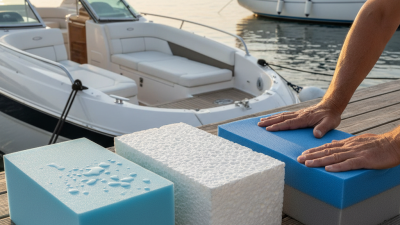
Water resistance needs careful wording. Closed-cell foam blocks water well, but it may feel dense and less forgiving. Reticulated, quick-dry foam allows water and air to pass through, especially with a breathable cover and drainage gaps. Ordinary open-cell foam can work under a sealed cover, but trapped moisture invites odor and mildew. Do not judge foam by touch alone. Check recovery after repeated compression, edge support, and drying time after splashes. I once focused too heavily on waterproofing and overlooked comfort. That was a poor trade. A seat that dries quickly but feels like a board may stay unused.

Seven Marine Upholstery Foam Options for Different Boat Seat Needs

Marine upholstery foam must match the seat’s exposure, shape, and expected use. A 2023 U.S. Coast Guard recreational boating report recorded 3,844 boating incidents, reminding owners that secure, supportive seating matters during movement. ASTM D3574 evaluates foam through density, indentation force deflection, tensile strength, and compression set. These measurements are more useful than softness alone.

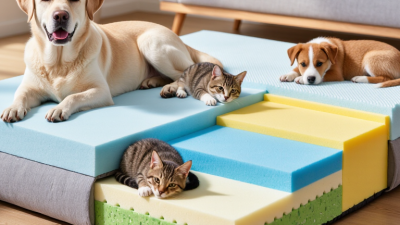
Seven foam options suit different boat seat needs. High-density closed-cell foam resists water absorption and works well for exposed helm cushions. Marine-grade open-cell foam feels softer and suits covered cockpit seating. Firm polyurethane foam supports bench bases and resists early sagging. Medium-firm foam fits general passenger cushions. Extra-firm foam helps pedestal seats where repeated compression is severe. Contoured foam improves lumbar support on long cruising trips. A layered foam build combines a firm base with a softer comfort layer.

Check every sample with wet hands. It changes the decision. Foam density commonly ranges from about 1.5 to 3.0 pounds per cubic foot in upholstery applications, but density alone does not guarantee durability. The Polyurethane Foam Association identifies compression set as a key indicator of permanent flattening. Measure the old cushion before ordering, including its bevels and hinge gaps. A tighter fit can improve appearance, yet it may trap moisture beneath the cover. I once favored the firmest option for durability; it felt uncomfortable after an hour. Comfort still needs testing, not guessing.

How to Measure, Cut, and Install Foam for Boat Seat Cushions

Choosing the best marine upholstery foam starts with the boat’s seating conditions. High-density polyurethane foam offers balanced comfort and support. Reticulated foam drains water quickly and suits exposed cushions. Closed-cell foam resists moisture but may feel firmer. Test a small sample before ordering.

Measure each cushion cavity from side to side, front to back, and top to bottom. Record every measurement in several places. Boat seats often taper or curve. A paper template can capture these shapes more accurately. Do not trust the old foam completely. My first replacement followed a distorted cushion, and the new piece fit poorly. That mistake was avoidable.

Transfer the template onto the foam with a washable marker. Cut with an electric carving knife for cleaner, straighter edges. Keep the blade vertical. Cut slightly oversized, then test-fit the piece inside the cover. Remove thin slices rather than making one aggressive cut. For installation, wrap the foam with breathable marine fabric or suitable batting. This reduces friction and helps the cover slide over corners. Apply compatible upholstery adhesive only where needed. Press the foam evenly, without crushing its edges. I once rushed this step and created a visible hollow. Patience matters more than perfect tools.

7 Best Marine Upholstery Foam for Boat Seats? - How to Measure, Cut, and Install Foam for Boat Seat Cushions

Marine Upholstery Foam Comparison

No. Foam Type Typical Density Typical Firmness Water and Drainage Behavior Recommended Cushion Thickness Best Use Advantages Limitations
1 Reticulated polyurethane foam 1.5–2.5 lb/ft³
(24–40 kg/m³)
Medium to firm Highly open-cell structure allows water and air to pass through quickly when the cover and base are also designed for drainage. 2–4 in
(50–100 mm)
Cockpit cushions and seats exposed to rain or spray Fast drainage, quick drying, breathable, and comfortable for outdoor seating. Usually costs more than standard upholstery foam and may feel less supportive if too soft or too thin.
2 High-resilience polyurethane foam 2.0–3.0 lb/ft³
(32–48 kg/m³)
Medium to firm Closed by the cover rather than by the foam; it does not drain as quickly as reticulated foam. 3–5 in
(75–125 mm)
Helm seats, cabin cushions, and frequently used seating Good comfort, shape recovery, support, and durability when kept reasonably dry. Can retain water after saturation; requires a breathable, water-resistant, or draining cover system.
3 Medium-firm conventional polyurethane foam 1.8–2.5 lb/ft³
(29–40 kg/m³)
Medium Absorbs water through its open cells and dries slowly unless the cushion can be removed and ventilated. 3–5 in
(75–125 mm)
Protected seating and budget-conscious cushion replacements Widely available, easy to cut, comfortable, and economical. Less resistant to prolonged dampness and repeated compression than higher-resilience foam.
4 Closed-cell polyethylene foam 2–6 lb/ft³
(32–96 kg/m³)
Firm to very firm Resists water absorption because the cells are closed; water normally remains on the surface. 1–3 in
(25–75 mm)
Seat foundations, spacers, bolsters, and flotation-related applications Lightweight, moisture resistant, buoyant, and easy to clean. Usually too firm for a thick stand-alone comfort cushion and can feel less conforming.
5 Cross-linked polyethylene foam 2–6 lb/ft³
(32–96 kg/m³)
Firm Low water absorption and good resistance to moisture, although seams and cut edges still need protection. 1–3 in
(25–75 mm)
Thin seat pads, kneeling pads, bolsters, and layered cushion systems Consistent texture, good tear resistance, chemical resistance, and low moisture uptake. Less plush than polyurethane foam and may require a softer top layer for long sitting periods.
6 Ethylene-vinyl acetate foam 2–8 lb/ft³
(32–128 kg/m³)
Medium-firm to firm Closed-cell material with low water absorption and good resistance to occasional splash exposure. 0.5–2 in
(13–50 mm)
Thin comfort layers, trim padding, and molded or shaped seat surfaces Lightweight, flexible, easy to shape, and available in a range of thicknesses. May compress permanently under heavy continuous loads and is generally not ideal as a thick primary cushion.
7 Layered cushion construction Varies by selected layers Adjustable Drainage depends on the outer layer, cover fabric, zipper design, and seat base. 3–6 in total
(75–150 mm)
Custom boat cushions requiring both softness and support A firm lower layer can provide support while a softer upper layer improves pressure relief and comfort. More difficult to fabricate and fit; layers can shift unless bonded or enclosed securely.
Selection note: Foam density indicates weight per unit volume and is not the same as firmness. For exposed boat seating, drainage depends on the complete system: foam type, cushion cover, zipper placement, seam construction, underside fabric, and the ability of the cushion base to release water.

How to Measure Boat Seat Cushions

Step Measurement Method Practical Allowance or Check
1. Remove the old cushion Take out the cushion and place it on a flat surface. If the old foam is compressed or misshapen, measure the seat base instead. Do not rely on a severely flattened cushion for final thickness.
2. Measure length and width Measure the seating area at the front, middle, and rear. Record the largest usable dimensions without blocking hinges, drains, lockers, or controls. For irregular shapes, make a full-size paper or cardboard template.
3. Measure thickness Measure the original foam and the available clearance from the seat base to nearby lids, armrests, steering components, or table supports. Use the available clearance as the maximum finished thickness.
4. Check the corner radius Place a flexible ruler or strip of cardboard around each curved corner and transfer the curve to the template. Label front, rear, top, bottom, and hinge locations on the template.
5. Account for the cover Measure the inside dimensions of the cover when possible. A tight cover compresses the foam and changes the finished firmness. Allow room for the cover, piping, seams, and any protective wrap.

Cutting and Installation Checklist

Stage Recommended Method Quality Check
Marking Trace the template onto the foam with a marker. Mark the top surface, front edge, hinge side, and any angled cuts. Confirm the grain or contour direction if the foam has a molded profile.
Cutting Use a sharp electric carving knife, long serrated knife, or upholstery foam saw. Cut slowly with the blade held perpendicular to the foam. Make a shallow test cut first and avoid compressing the foam while cutting.
Shaping Use an electric knife or sanding tool designed for foam to create bevels, tapers, or rounded edges. Compare the shaped foam with the template before placing it in the cover.
Drainage preparation Keep drainage holes, mesh panels, and channels clear. Do not seal a breathable cushion inside an impermeable plastic layer unless the design specifically requires it. Place the cushion on the boat and verify that water can escape from the underside.
Installing the cover Insert the foam gradually, using a thin plastic sheet or temporary protective sleeve to reduce friction. Remove the sleeve before closing the cover if it is not part of the design. Ensure corners are fully seated and the zipper is not under excessive strain.
Final fitting Install the cushion in its normal position and test the fit with the seat lid, hinges, snaps, and adjacent cushions. Check that the cushion is supportive, does not obstruct hardware, and can be removed for drying.

How to Maintain Marine Foam and Choose the Right Replacement Time

7 Best Marine Upholstery Foam for Boat Seats?

Marine foam survives longer when it stays dry, supported, and properly covered. In my upholstery work, I inspect boat cushions every three months. I check the foam after washing and before storing it. Salt crystals can remain inside the cover seams. They attract moisture and slowly weaken the foam.

Remove each cushion from the boat after heavy rain. Stand it on edge in a shaded, ventilated place. Direct sunlight can damage exposed foam and fabric. Never seal damp cushions in plastic. Press the foam with your palm. It should recover quickly and feel evenly firm. A sour smell, dark staining, or slow recovery indicates trapped moisture. Those signs deserve attention. I once waited too long with a cushion that looked acceptable outside. The foam had already collapsed near the plywood base.

Replacement timing depends on use, drainage, and foam density. Lightly used seats may last seven years or longer. Busy boats often need replacement within three to five years. Replace foam sooner when it crumbles, stays compressed, or feels wet inside. Choose marine-grade foam with suitable firmness for the seat position. Closed-cell foam resists water better, while quality open-cell foam can feel softer and drain well. Measure the old cushion carefully, but do not copy its sagging shape. A replacement should fit snugly without forcing the cover seams. If uncertain, cut a small inspection opening in the underside first. Foam care is simple, but my own past mistakes prove that “dry enough” is not always dry.

Let's Work Together

The most innovative products come from the most innovative people - and for over 55 years our team has been propelled by curiosity and a steadfast dedication to inventing and creating the best foam formulations for our customers.