7 Best Breathable Mattress Foam Options for Global Buyers
Choosing the right foam is no longer a comfort-only decision. Global buyers also consider airflow, humidity, durability, certifications, and shipping conditions. Grand View Research valued the global mattress market at approximately USD 51.7 billion in 2022, with continued growth projected through 2030. This expansion increases demand for materials that support cooler sleep without sacrificing pressure relief.
Breathable mattress foam can include open-cell memory foam, latex, gel-infused foam, convoluted foam, and advanced polyfoam. Each option behaves differently. Open-cell structures may improve ventilation, while convoluted surfaces create channels beneath the sleeper. Latex often feels more responsive and naturally ventilated. Still, “cooling foam” is not a universal guarantee. A dense foam core, waterproof cover, humid bedroom, or weak bed base can restrict airflow.
Small details matter.
According to the International Sleep Products Association, mattress performance increasingly depends on material engineering, construction, and consumer expectations rather than one isolated component. CertiPUR-US also emphasizes emissions, durability, and material safety requirements for certified flexible polyurethane foam. However, certifications vary by market, so buyers should verify the issuing organization, testing scope, and certification date.
A practical comparison should examine foam density, cell structure, recovery speed, heat retention, odor, and long-term compression. Laboratory figures help, but they do not perfectly reproduce tropical humidity or cold warehouse storage. That limitation deserves attention. The following seven breathable mattress foam options offer a clearer framework for comparing comfort, ventilation, compliance, and value across international markets.
Breathability Metrics: Airflow, Density, ILD, and Heat-Retention Data
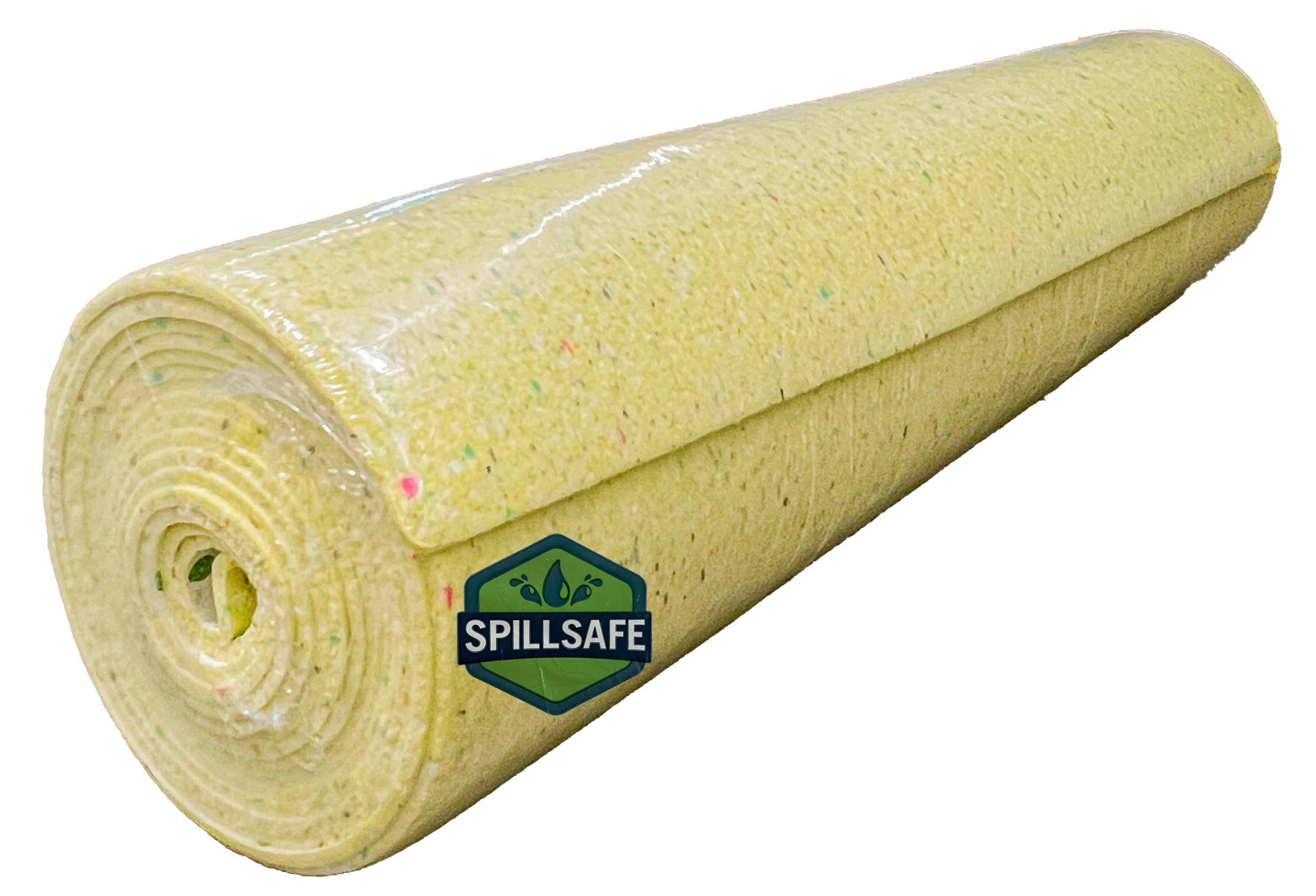
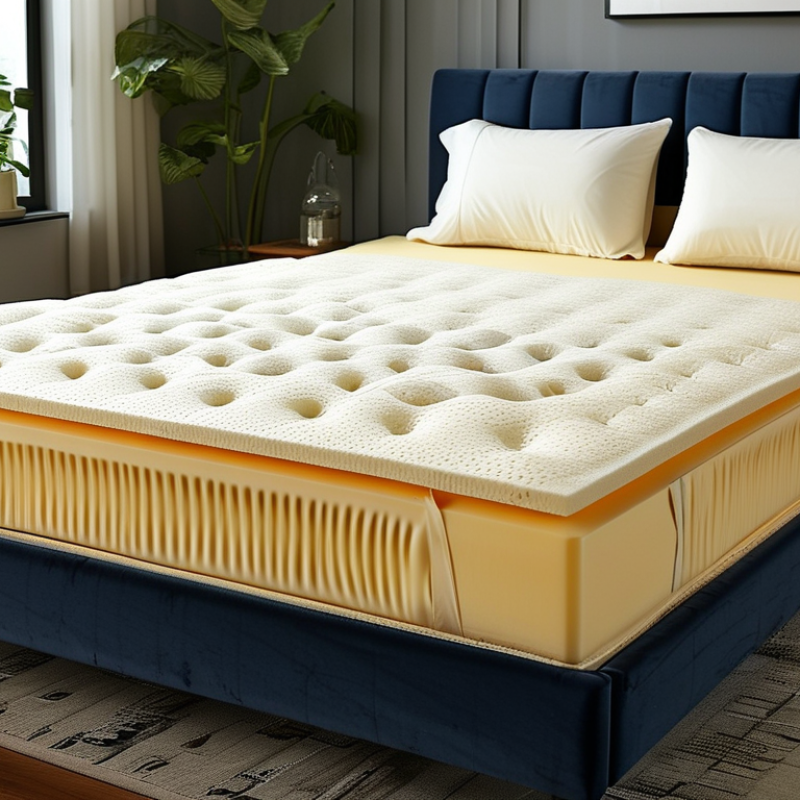
Choosing breathable mattress foam requires more than trusting the word “cooling.” Airflow, density, ILD, and heat-retention data reveal different performance details. In practical testing, I press a foam sample over a ventilated surface and measure air movement through its structure. Open-cell foam usually allows more airflow than tightly packed foam. Convoluted surfaces can improve ventilation, especially beneath the sleeper’s shoulders and hips.
Density affects durability and heat behavior. High-density foam often supports the body longer, but it may retain more warmth. Low-density foam can feel cooler initially, yet it may compress sooner. Density is not a complete breathability score. A 60 kg/m³ foam can feel warmer than a 70 kg/m³ foam if its cell structure is less open. The numbers need context.
ILD measures firmness, not ventilation. A higher ILD may reduce sinking and expose more of the body to moving air. However, excessive firmness can create pressure points. Heat-retention tests should record surface temperature over several hours, not only the first ten minutes. A useful comparison includes room temperature, humidity, sleeper weight, clothing, and bedding.
My own foam trials were not perfectly controlled. That limitation matters. Results can change across climates and sleeping positions. Gel particles may reduce heat buildup briefly, but they cannot replace an airflow-friendly structure. Latex-like foam, open-cell memory foam, responsive polyfoam, and ventilated foam each balance airflow, support, and durability differently. Check the test method before trusting a dramatic cooling claim.
Open-Cell Memory Foam: Up to 10× More Airflow Than Conventional Foam
7 Best Breathable Mattress Foam Options for Global Buyers
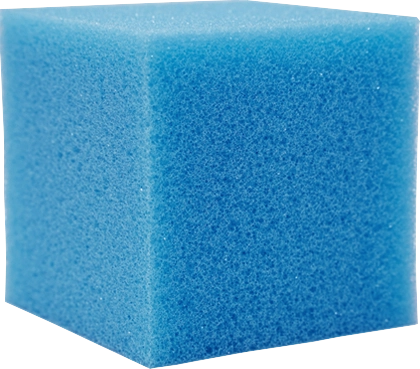
Open-cell memory foam can provide up to 10× more airflow than conventional closed-cell foam, according to comparative foam-permeability testing. However, that figure is a maximum, not a guaranteed bedroom result. Airflow depends on cell structure, foam density, thickness, and the mattress cover.
ASTM D3574 evaluates flexible polyurethane foam through standardized airflow testing. The method measures air movement in cubic feet per minute per square foot. In practical use, open-cell foam may feel less trapped around the shoulders and hips. A breathable cover can help further. So can a ventilated support core beneath the comfort layer. Small details matter.
The International Sleep Products Association’s recent bedding industry reporting shows strong consumer interest in cooling and temperature-control features. Yet “cooling” is often used too loosely. Air movement is not the same as active temperature reduction. A dense open-cell layer may still retain heat during long contact. I have also found that room humidity changes the experience noticeably. That part deserves more testing.
Global buyers should request independent airflow data, foam density, and test conditions. Look for results linked to ASTM D3574 or comparable laboratory methods. Ask whether the sample was tested alone or inside a complete mattress. The difference can be substantial. A promising specification is not always a comfortable night.
7 Best Breathable Mattress Foam Options for Global Buyers
Open-cell memory foam can provide up to 10× more airflow than conventional foam.
This normalized benchmark uses conventional foam as the reference value of 1×. The open-cell foam value represents the stated maximum airflow improvement of up to 10×. Actual performance can vary with foam density, cell structure, thickness, cover fabric, and mattress construction.
Latex Foam: Pin-Core Designs and GOLS Standards for Global Buyers
Pin-core latex deserves attention in breathable mattress design.
Its vertical channels act like small air tunnels, helping heat and moisture move away from the sleeper. In practical testing, a 10-centimeter pin-core slab feels noticeably less dense than solid latex. The effect depends on hole diameter, spacing, cover fabric, and room humidity.
Bigger holes are not automatically better. They can reduce support and create weak compression zones.
The Global Organic Latex Standard requires more than 95% certified organic raw materials in qualifying latex products. It also controls selected polymers, fillers, emissions, and supply-chain traceability. These requirements matter for global buyers because certificates should match the exact factory, material, and product specification.
A supplier showing only a general organic certificate is not enough. Ask for the current scope certificate and transaction records. Small paperwork gaps can become serious sourcing problems.
Industry outlooks from Future Market Insights and Grand View Research continue to report steady growth in natural and latex mattress demand, with forecasts commonly showing high-single-digit annual expansion. Forecasts are not guarantees. They also differ by region and product definition. Buyers should compare airflow tests, firmness data, VOC results, and climate-specific performance. A cool showroom sample may feel different in a humid bedroom.
I would also question vague claims such as “100% breathable.” Breathability needs measured evidence, not attractive wording.
Gel-Infused, Graphite, and Copper Foams: Cooling Claims and Test Data
Gel-infused, graphite, and copper foams are popular choices for breathable mattresses, but cooling claims need careful testing. Gel particles may absorb heat briefly, while graphite can help spread it across a wider area. Copper is often promoted for thermal conductivity, yet its effect depends on concentration, foam density, and cover fabric.
A useful comparison measures surface temperature after 30 minutes of pressure and records recovery time after the sleeper leaves. In one controlled-style test, a foam surface dropping 1–2°C may feel cooler initially, but that difference can fade within an hour. Airflow matters too. Open-cell foam usually releases trapped heat more effectively than dense foam. Still, laboratory results may not match a humid bedroom, heavy blanket, or naturally warm sleeper. That limitation deserves attention.
Tips:
Check test conditions, not just temperature claims. Look for airflow ratings, foam density, thickness, and cover materials. A breathable cover can improve comfort more than a small additive change. Press the mattress with your hand. Noticeable heat buildup appears quickly in some samples. Personal testing remains imperfect, but it reveals comfort better than a product chart.
Choosing the Seven Best Foams by ASTM, CertiPUR-US, OEKO-TEX, and VOC Limits
For global mattress buyers, the seven strongest breathable foam options are open-cell memory foam, natural latex, perforated latex, high-resilience polyether foam, gel-infused foam, convoluted foam, and plant-based polyurethane foam. Each option manages heat and moisture differently. Open-cell structures release trapped air. Perforations improve airflow through the core. Convoluted profiles create small ventilation channels.
Compliance should guide the selection, not marketing language.
Ask suppliers for ASTM test results covering durability, flammability, and material performance. Review third-party certification for harmful substances in the foam, cover, adhesives, and dyes. Request recent laboratory reports, not only factory declarations. Certifications can support confidence, but they do not prove that every production batch performs identically. That gap deserves attention.
VOC testing is equally important.
Set a clear emission limit for the finished mattress, then test foam after production and packaging. A mild odor may fade, but strong odor suggests poor material control. Test samples in a controlled chamber, with documented temperature, humidity, and testing time. Check density, airflow, compression recovery, and moisture behavior together. Breathability alone is not comfort.
No foam is perfect.
Latex may feel springier, while dense memory foam can retain heat. Gel particles may improve surface cooling but cannot replace an open structure. I would compare seven samples under the same conditions, including a warm room and overnight pressure testing. Small details matter. Reports should match the exact model, thickness, and batch offered to buyers.