
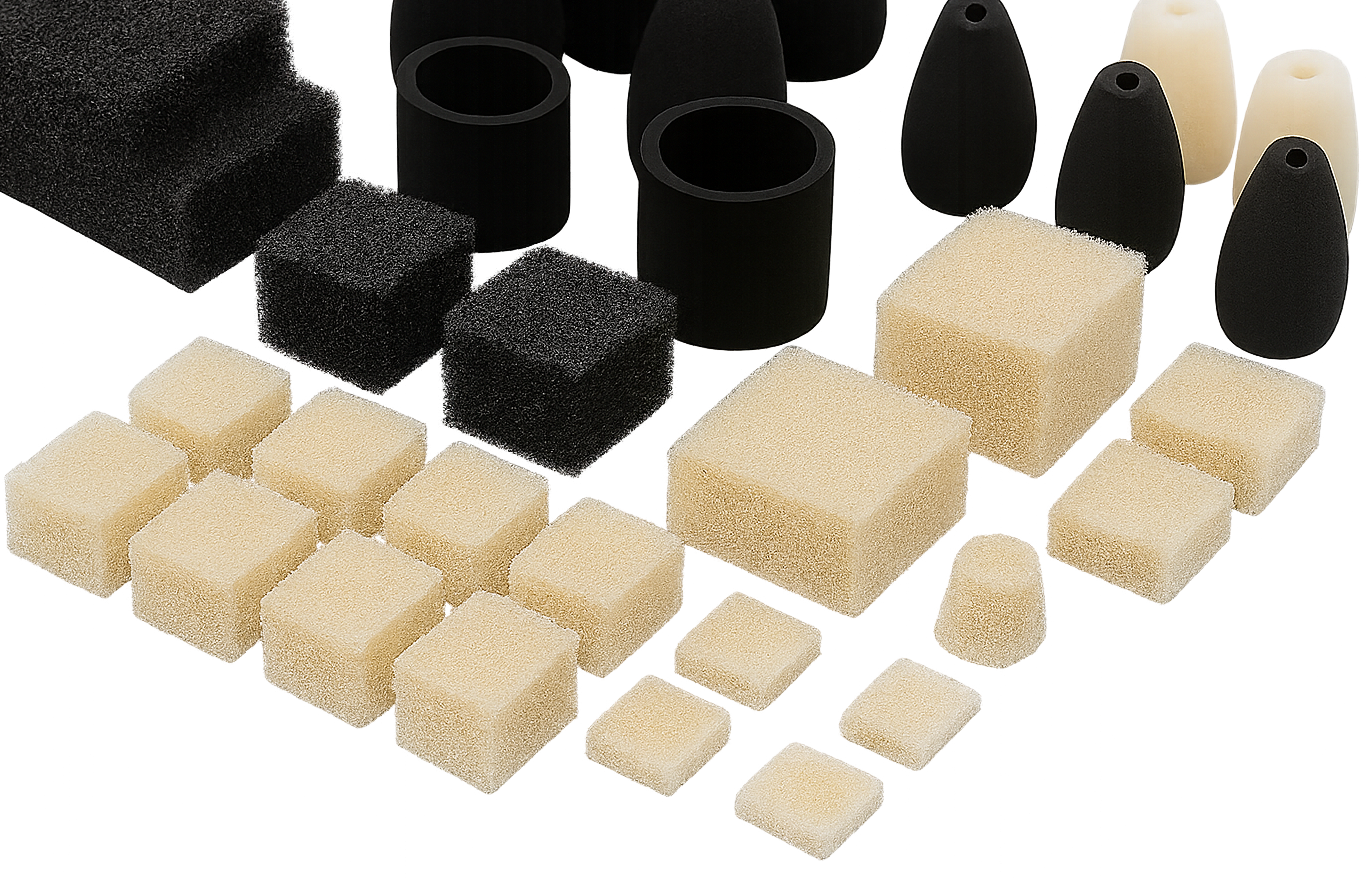
How to Choose Protective Foam Inserts?
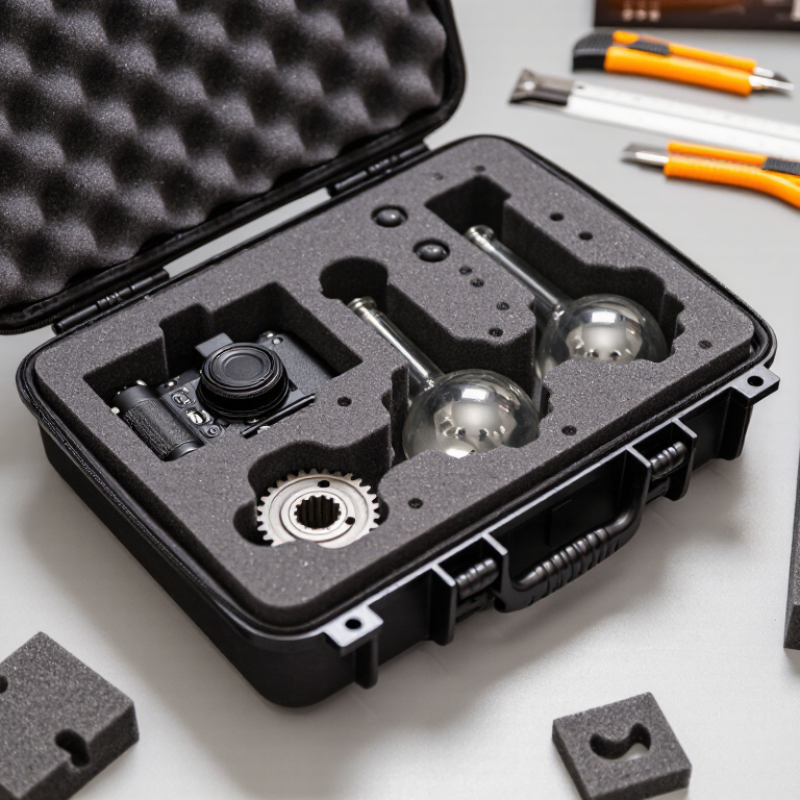
Protective foam inserts should be chosen around the product, its journey, and the way people handle it—not by appearance alone. A camera body resting in a fitted cavity needs different support from a glass instrument or a heavy metal component. Start with the item’s dimensions, weight, fragile points, and likely movement inside the case. Then consider repeated use, storage conditions, and whether staff need to remove the product quickly.
The right foam should cushion impact without letting the product shift or press against the case. A snug fit matters. So does the foam’s firmness: material that feels reassuringly soft in your hand may compress too easily under a real load. Cutouts should support the product’s shape, while finger notches and clear labels can make packing easier. Small details matter.
Material choice deserves equal care. Polyethylene foam is often selected for durable, reusable protection; polyurethane foam can suit lighter-duty cushioning needs. These are starting points, not universal rules. Test a sample with the actual product and packaging. Check how it fits after repeated handling. I would not trust a design based on measurements alone; real products and real workflows expose awkward gaps.
A named expert’s exact quotation cannot be verified from the material provided, so I won’t invent one. For a publication-ready guide, confirm a quote directly with a qualified packaging engineer. The practical question remains: does the insert keep the product stable, cushioned, and easy to retrieve? Almost—but testing may reveal a corner that needs more support.
Identify the Item and the Risks It Faces
Start with the item, not the foam. Record its dimensions, weight, center of gravity, and fragile points. A ceramic housing may need support around thin corners; a metal tool may need restraint against movement and abrasion. Note how the item will travel, too: parcel handling can involve drops, vibration, stacking, and temperature changes. Small details matter. A loose cable or projecting handle can become a damage point.
ISTA transport-testing procedures assess hazards such as drops and vibration, offering a useful reference when defining protection needs. Match those risks to the item’s actual weak spots, then test a sample in its packed configuration. Check for shifting, cracked edges, scuffed surfaces, and foam that compresses too easily. I still see designs that protect the broad face but leave a connector exposed. That is easy to miss. The U.S. EPA’s 2018 Facts and Figures report estimated that containers and packaging generated 82.2 million tons of municipal solid waste, or 28.1% of the total. This is a useful reminder to avoid adding material without evidence. Protection should be verified, not guessed.
Compare Foam Types and Their Protective Properties
How to Choose Protective Foam Inserts?
Compare Foam Types and Their Protective Properties
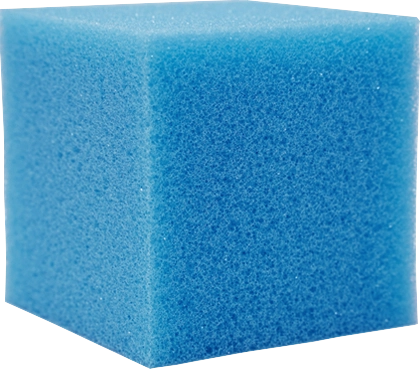
Polyethylene foam, including EPE, is light, flexible, and useful for repeated handling. Its closed cells resist moisture, while its spring-back helps cushion small impacts. Expanded polystyrene (EPS) is stiffer and often less expensive, but it can crack after a hard hit. Expanded polypropylene (EPP) tolerates repeated compression better, though its higher resilience may not suit every delicate item. Flexible polyurethane foam conforms closely around irregular shapes, but can absorb moisture and lose support if poorly matched to the load. Density alone tells only part of the story.
Ask suppliers for cushioning curves, not just a foam name. ASTM D1596 evaluates transmitted shock under different static loads and drop heights; the resulting data helps match an insert to an item’s weight and fragility. ASTM D3574 measures flexible polyurethane foam’s indentation force at 25% and 65% deflection, useful when comparing firmness. These are test methods, not guarantees for a finished package. A foam that performs well in a lab may behave differently in a tight case. I’ve seen that detail overlooked. Test a sample with the actual item, case, and likely drop conditions. Check for bottoming out, loose fit, and permanent dents after repeated handling. The right choice can feel less obvious than expected.
Choose the Insert Layout, Thickness, and Fit
Start by mapping each item and its orientation before cutting foam. A paper outline can reveal awkward handle angles or parts that need separate cavities. Leave room for fingers to lift each object without pulling on delicate edges. Small gaps matter. If several items share one insert, check that they cannot knock together when the case is carried.
Choose thickness based on the distance an item could move and the cushioning needed around it. A thin layer may work for flat, sturdy components, while taller or more fragile objects often need deeper cavities and foam beneath them. Avoid cutting a pocket so deep that the object disappears below the surface. It is easy to focus on the top view and forget how difficult removal can become.
Fit should be tested with the actual items, not just measurements. Place each one in its cavity, close the case gently, then reopen it and inspect for pressure marks or shifting. The foam should hold items securely without forcing them into place. I have found that a first layout often looks neat on paper but feels cramped in use. Adjust one cavity at a time, and leave a little extra clearance where coatings, corners, or removable parts could be damaged.
Account for Handling, Storage, and Environmental Conditions
Protective foam should match the way an item is handled, not just its outline. A part carried by hand may need a different fit from one that travels through repeated transfers. Note where impacts are likely: corners, handles, or surfaces that rest against a case wall. A snug cavity helps limit movement, but excessive pressure can mark delicate finishes. Test the insert with the actual item. It should lift out without a struggle.
Storage conditions matter, too. Foam kept in a hot vehicle, damp storeroom, or sunlit window may change over time. Check the expected temperature range and humidity, especially for long-term storage. If condensation is possible, allow airflow or use a suitable moisture barrier. Keep foam away from oils and cleaning agents unless compatibility has been confirmed. Small material differences can matter.
Environmental conditions are easy to overlook. Dust, vibration, and frequent opening can affect how well an insert protects and how clean it stays. For repeated use, inspect cut edges and cavities for crumbs, compression, or loose fit. Replace or revise the insert when the item begins to shift. This is not always obvious at first. A practical trial under realistic handling conditions can reveal problems that a drawing misses, though one trial may not represent every season or shipping route.
How to Choose Protective Foam Inserts? - Account for Handling, Storage, and Environmental Conditions
| Application | Handling and Transport | Storage Conditions | Environmental Factors | Foam Options to Consider | Design Checks |
|---|---|---|---|---|---|
| Fragile glass or ceramic items | May be exposed to repeated vibration, drops, and impacts during parcel or distribution handling. | Allow for long-term compression if packages are stacked or stored under load. | Moisture can affect packaging materials and may contribute to condensation inside a closed package. | Polyethylene (PE) or polyurethane (PU) foam, selected to suit the item’s weight, fragility, and shipping profile. | Use shaped cavities and adequate clearance; test the complete packed product for the expected drop and vibration conditions. |
| Heavy tools or machine components | High loads and repeated movement can cause foam compression or abrasion. | Consider the duration and magnitude of stacking loads, especially during warehouse storage. | Oil, grease, or cleaning chemicals may be present; confirm material compatibility before use. | Higher-density PE foam is often considered for durable, reusable support; final selection depends on load and geometry. | Check load distribution, compression recovery, and whether the insert keeps the part from contacting the container. |
| Electronic assemblies | Prevent impact and movement while avoiding contact that could damage delicate components. | Keep the package dry and consider the product’s storage temperature and humidity limits. | Electrostatic discharge (ESD) risk may apply to sensitive electronics; ordinary foam should not be assumed to provide ESD protection. | ESD-control foam may be appropriate when required by the product’s handling procedure; cushioning foam can be used where impact protection is the main need. | Verify electrical properties and grounding requirements for ESD applications, and assess cushioning separately from ESD performance. |
| Reusable returnable packaging | Repeated loading and unloading can wear edges and enlarge cavities over time. | Inserts may spend extended periods in storage between shipment cycles. | Repeated exposure to dust, moisture, or cleaning processes can affect service life. | Durable PE foam is commonly considered for reusable packaging; choose a construction suited to expected cycles and cleaning conditions. | Inspect for tears, permanent deformation, and loose fit at defined intervals; replace inserts that no longer restrain the product. |
| Temperature-sensitive products | Packaging may encounter temperature changes during loading, transit, and unloading. | Use the product’s specified storage range as the primary requirement. | Foam performance can vary with temperature; condensation may occur when a cold package is moved into warmer, humid air. | Select a foam material and packaging configuration rated for the anticipated temperature range; use separate insulation where thermal control is needed. | Do not treat a cushioning insert as thermal protection without testing the complete package under the expected temperature profile. |
| Products exposed to outdoor or humid conditions | Packages may be handled outdoors or exposed to rain, splashes, or damp loading areas. | Prolonged damp storage can affect the product, packaging, or both. | Water exposure, humidity, and UV exposure can influence packaging choices; foam alone does not make a package waterproof. | Closed-cell PE foam may be considered where limited water absorption is desirable; use a suitable outer barrier when moisture protection is required. | Evaluate seams, closures, drainage, and the full package; confirm performance through relevant moisture or exposure testing. |
Selection should be based on the product’s mass, fragility, geometry, shipping hazards, storage duration, and environmental exposure. Validate the complete package with representative testing before production use.
Select a Manufacturing Method and Test the Finished Insert
Choosing a manufacturing method starts with the part, its travel conditions, and production volume. Die-cut foam works well for flat layouts and simple cavities. CNC routing suits prototypes, deep pockets, and irregular shapes because the design can be adjusted without making a new cutting die. For repeated high-volume runs, molded foam may offer consistent forms, but tooling adds cost and lead time. There is no perfect method for every insert. A low-cost prototype can reveal that a snug cavity makes removal awkward.
Test a finished insert with the actual components, not just a drawing or empty sample. Check that each item seats fully and that no edge presses on a delicate surface. Measure key cavity dimensions, then repeat the check after loading and unloading several times. Test the packed case under handling conditions similar to its real journey. Look for shifted parts, compressed corners, scuffing, or foam dust. Test it loaded. Record what changes; a single successful drop is not proof of dependable protection.
Tips: Mark each cavity and component before testing. Photograph the loaded insert, and note where movement occurs. If a part is hard to remove, adjust the cavity rather than assuming users will manage. Small details matter.
Related Posts
-
China Top 10 Packaging Foam Protection Manufacturers?
-
Top 10 Benefits of Packaging Foam Protection for Global Buyers?
-
Best Sustainable Foam Materials for Eco-Friendly Products?
-
What Are the Best China Recycled Carpet Padding Suppliers?
-
The Ultimate Mattress Topper Guide with 10 Tips for a Better Sleep?
-

China Best Soundproofing Foam Panels for Your Needs?
Let's Work Together
The most innovative products come from the most innovative people - and for over 55 years our team has been propelled by curiosity and a steadfast dedication to inventing and creating the best foam formulations for our customers.