What Are the Best China Recycled Carpet Padding Suppliers?
Choosing the best China Recycled carpet padding supplier requires more than comparing factory prices. Material consistency, recycled content, compression recovery, and documentation should guide the shortlist. A pad may look dense in a sample, yet flatten quickly beneath a hotel corridor or office chair.
The U.S. Environmental Protection Agency’s 2018 Facts and Figures report recorded approximately 3.4 million tons of carpet and rugs generated. Only a limited share entered recovery streams. The Carpet America Recovery Effort (CARE) also highlights collection, sorting, and end-market access as critical recycling challenges. These figures show why supplier claims deserve verification, not polite acceptance.
Bob Peoples, former executive director of CARE, has often emphasized, “There is no single solution for carpet recycling.” That warning matters when evaluating Chinese manufacturers. Strong candidates should provide recycled-content evidence, batch records, laboratory test results, and clear explanations of fiber sources. Buyers should examine density, thickness tolerance, acoustic performance, moisture resistance, and compression recovery after repeated loading. Independent testing remains valuable. Trust should be earned slowly.
This guide compares China-based suppliers through those practical standards. It considers factory capability, export experience, customization, certifications, and communication quality. Some suppliers may offer impressive catalogs but limited traceability. Others may produce dependable padding while presenting incomplete environmental data. That gap deserves attention. Recycled carpet padding is not automatically sustainable because it contains recycled fibers. Its real value depends on verified inputs, long service life, and responsible end-of-use planning.
Understanding Recycled Carpet Padding and Its Key Benefits
What Are the Best China Recycled Carpet Padding Suppliers?
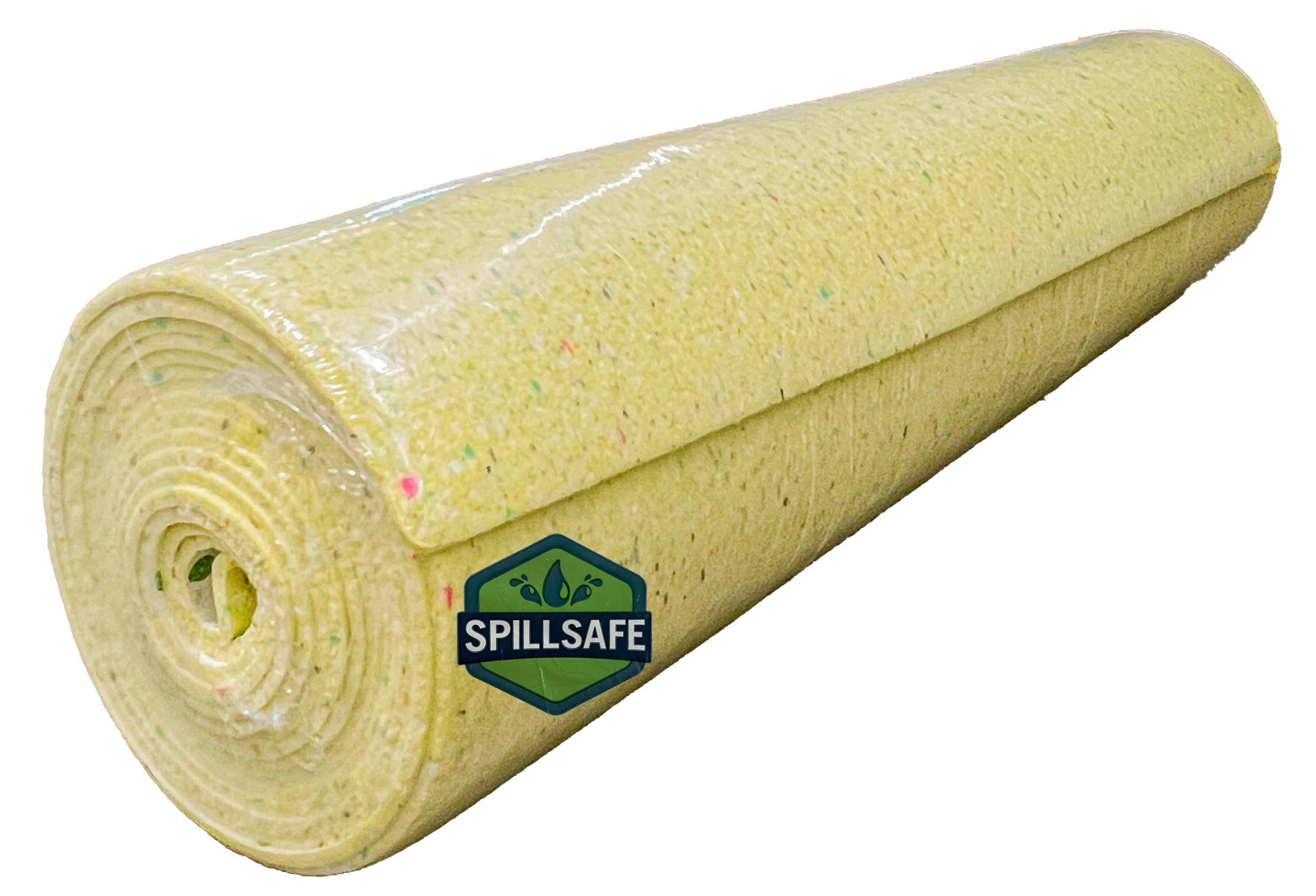
Recycled carpet padding usually contains post-consumer PET, reclaimed polyurethane foam, rubber, or recycled felt. Its value begins with measurable content, not a vague “green” label. Textile Exchange’s Materials Market Report 2024 estimated recycled polyester represented about 13% of global polyester production in 2023. This supports PET-based felt padding, although recycled content does not automatically prove durability or low emissions.
China suppliers should provide test reports for density, thickness recovery, compression set, moisture resistance, and VOC emissions. Ask for batch-level recycled-content declarations and third-party verification, such as Global Recycled Standard documentation where applicable.
The U.S. EPA’s 2023 National Overview reported 292.4 million tons of municipal solid waste generated in 2018, showing why material diversion deserves practical attention. Still, a recycled product can fail early if the backing collapses under heavy furniture.
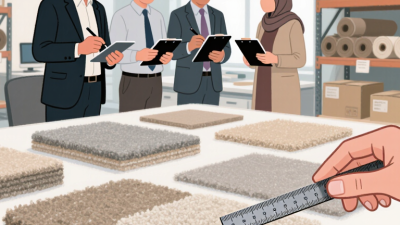
I would request samples cut across the full roll. Check loose fibers, uneven edges, odor, and rebound after a loaded test. A supplier with stable specifications is usually more reliable than one offering the lowest price. Mistakes happen. Some certificates may describe the fiber, not the finished pad. Review the scope carefully before ordering.
Evaluating China’s Leading Recycled Carpet Padding Suppliers
Evaluating China’s leading recycled carpet padding suppliers requires more than comparing prices. Experienced buyers inspect the material source, production controls, and delivery records. Ask whether the padding uses recycled PET, reclaimed textile fibers, or recycled foam. Each material affects softness, resilience, moisture behavior, and cutting performance.
Request a technical data sheet with thickness, density, compression recovery, dimensional stability, and acoustic performance. Independent testing can verify recycled content and help assess volatile emissions. Fire performance should match the installation market’s requirements. A reliable supplier should provide batch records, product samples, and clear test dates. Factory visits are useful, but they do not replace documented quality checks.
Pay attention to practical details. Does the supplier control fiber cleaning before bonding? Are production samples consistent across different batches? Can the team explain how rejects are handled? Small differences in density can become visible beneath carpet after installation. Packaging also matters, especially when compressed rolls travel long distances. Confirm moisture protection, labeling, minimum order quantities, and realistic lead times.
Communication reveals professional maturity. Clear answers are valuable. Vague promises are not. Buyers should compare at least three quotations using identical specifications. One weakness remains difficult to judge remotely: long-term compression recovery. A short sample may look excellent, yet perform differently under heavy furniture. Extended testing is worth the extra time. Supplier evaluation should remain evidence-based, flexible, and slightly skeptical.
Comparing Materials, Manufacturing Standards, and Product Performance
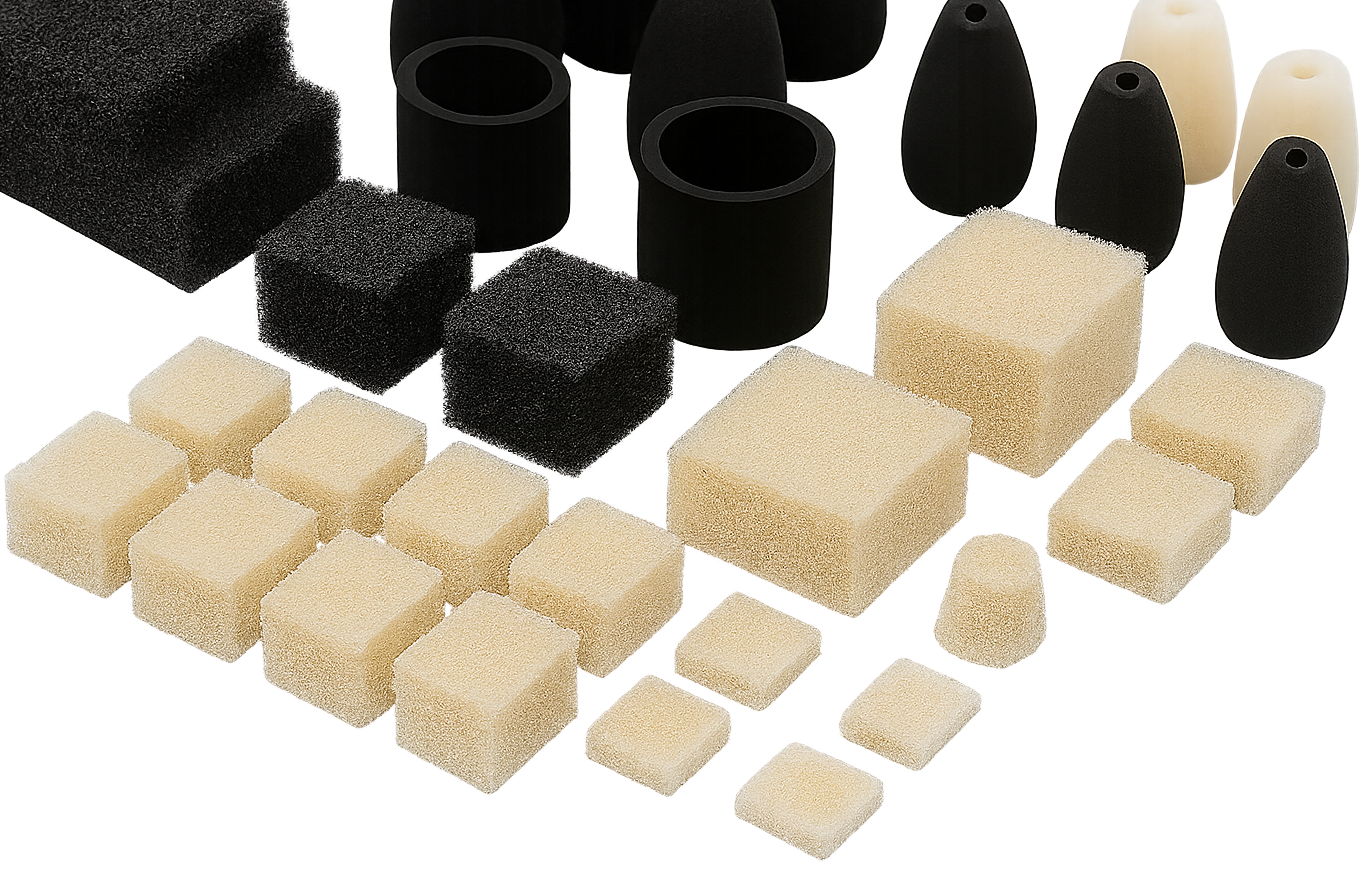
Choosing recycled carpet padding suppliers in China requires more than comparing prices. Material composition affects comfort, durability, and indoor air quality. Recycled PET felt is lightweight and resists moisture. Rebonded foam provides stronger cushioning but needs stable density control. Rubber padding feels firm underfoot and can improve acoustic performance. Ask suppliers for fiber percentages, density ranges, thickness tolerance, and compression recovery data. Small details matter.
Manufacturing standards reveal how consistently a factory works. Look for documented quality systems, incoming-material inspections, production records, and batch traceability. Independent testing should cover compression set, dimensional stability, odor, volatile emissions, and applicable fire performance. Request recent reports, not sample documents from years ago. Factory audits can also check cutting accuracy, clean storage, and moisture protection. A neat showroom proves little.
Product performance should match the installation environment. A hotel corridor needs high recovery after repeated foot traffic. A bedroom may value softness and low odor more. Samples should be tested under load, temperature changes, and prolonged storage. I have found that one impressive sample can hide uneven production. That risk deserves attention. Suppliers should explain corrective actions when results miss specifications. Clear communication, realistic tolerances, and consistent documentation are stronger signs of reliability than polished sales language. Testing remains essential.
Checking Customization Options, Certifications, and Quality Controls
What Are the Best China Recycled Carpet Padding Suppliers?
Selecting a reliable China recycled carpet padding supplier requires more than comparing prices. In sourcing projects, I have found that customization often separates a capable factory from a simple reseller. Ask whether the supplier can adjust thickness, density, roll width, backing, and packaging. Request a physical sample before approving mass production. A sample reveals compression recovery, edge stability, and surface consistency. Digital specifications alone can mislead.
Certifications also need careful checking. Look for current ISO 9001 quality management records and relevant recycled-content certifications, such as GRS, when applicable. Confirm the certificate holder, factory address, scope, and expiry date. Ask for laboratory results covering density, thickness tolerance, VOC emissions, moisture, and fire performance. Requirements vary by market. Do not assume one certificate covers every application. A polished document is not proof of consistent production.
Tips: Visit the factory or arrange a live video inspection. Check incoming material sorting, batch labels, metal removal, and final packing. Ask how rejected rolls are recorded and corrected. Request traceability from recycled fibers to finished padding. Keep a retained sample from every approved batch. Small controls matter. I would also test samples independently, because supplier data can be incomplete or slightly optimistic. That extra step costs time, but it may prevent uneven flooring, odor complaints, and expensive replacement shipments.
Assessing Prices, Export Services, and Supplier Reliability
Choosing a China recycled carpet padding supplier requires more than comparing unit prices. Recycled fiber content, density, thickness, and compression recovery can change the real value. A cheaper pad may flatten sooner, creating replacement costs and customer complaints. Request a sample, technical sheet, and recent quality inspection report before approving production. I would also compare landed costs, including packaging, freight, insurance, duties, and port charges.
Export service deserves equal attention. Reliable suppliers should explain minimum order quantities, production lead times, loading plans, and accepted trade terms clearly. They should provide accurate commercial invoices, packing lists, certificates, and tracking updates. Ask whether they have handled similar export destinations. Small documentation errors can delay a container. That detail is easy to underestimate. Payment terms also need careful review; avoid choosing solely because the deposit is lower.
Tips: Compare at least three written quotations using identical specifications. Test thickness after compression and inspect odor, moisture, stitching, and edge consistency. Confirm recycled-content claims through traceable records or independent testing. Check how quickly the supplier answers difficult questions, not just simple ones. Slow replies may signal weak after-sales support, although this is not always true. I have seen promising samples followed by inconsistent bulk goods, so include inspection rights and clear acceptance standards in the contract. Reliability grows from evidence, not confident promises.
Related Posts
-
How to Choose Recycled Carpet Padding for Global Sourcing
-

What Are the Benefits of China Top Carpet Cushion?
-

Top Benefits of Using Recycled Carpet Padding for Your Home?
-
How to Source Cooling Gel Foam Globally in 2026?
-

How to Choose the Best Spinal Alignment Support in 2026?
-

China Top Sleep Quality Optimization Techniques for Better Rest?
Let's Work Together
The most innovative products come from the most innovative people - and for over 55 years our team has been propelled by curiosity and a steadfast dedication to inventing and creating the best foam formulations for our customers.