
China Top 10 Packaging Foam Protection Manufacturers?
China’s packaging sector has become a significant source of protective materials for electronics, appliances, furniture, medical equipment, and industrial components. This article examines China’s top 10 Packaging foam protection manufacturers through practical, measurable criteria. These include foam types, cushioning performance, customization ability, production capacity, quality control, export experience, and environmental responsibility.
Packaging foam protection is not simply about adding soft material around a product. Foam density, cell structure, compression recovery, moisture resistance, and cutting accuracy can determine whether a ceramic panel arrives safely or with hidden damage. Walter Soroka, a recognized packaging technology author, described packaging as “a system of preparing goods for transport, distribution, storage, retailing and end use.” His statement remains useful here. Protection must work throughout handling, storage, shipping, and final delivery.
The selected manufacturers will be compared from a buyer’s perspective. Their capabilities may include EPE foam, EVA foam, EPS, EPP, PU foam, molded inserts, and anti-static solutions. Real details matter, such as clean die-cut edges, repeatable thickness, stable density, and samples tested inside actual cartons. Factory visits and customer feedback can reveal more than polished product pages. Still, no ranking is perfect. Supplier data changes, and a strong factory for automotive parts may not suit fragile glass products. Buyers should request test reports, production samples, material specifications, and clear lead-time commitments. Cost deserves attention, but low pricing can hide poor recovery performance or inconsistent dimensions. This guide offers a practical starting point, not a substitute for independent verification.
What Is Packaging Foam Protection and Why Is It Used?
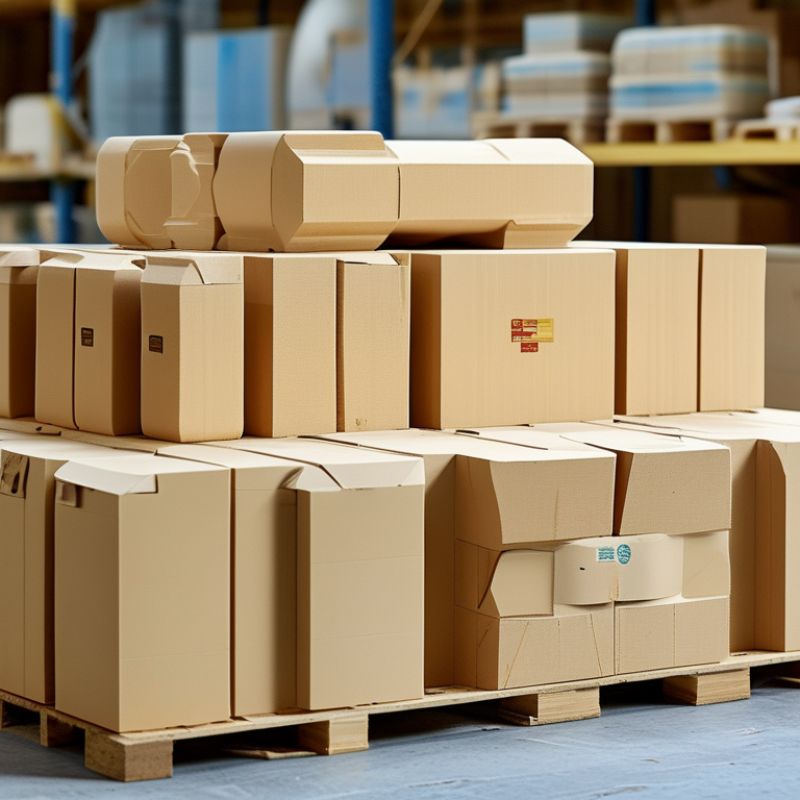
Packaging foam protection is a cushioning material placed around products during storage, handling, and transport. It absorbs shock when a carton is dropped or pressed. Common forms include foam sheets, corner blocks, rolls, and custom-molded inserts.
The material works by slowing impact and spreading pressure across a wider area. This helps protect glass, electronics, furniture edges, medical equipment, and other delicate goods. In practical packaging tests, the right foam reduces scratches, dents, vibration, and movement inside the box.
A snug fit matters. Too much empty space can let a product shift and strike the carton walls.
Foam density, thickness, resilience, and cell structure affect performance. Heavier products usually need stronger support, while fragile surfaces may require softer contact layers. Moisture resistance can also matter in humid warehouses or long-distance shipping.
Yet more foam does not always mean better protection. Excess material may increase cost, waste, and package size. That assumption deserves checking. Drop tests, compression tests, and real handling conditions provide more reliable evidence than appearance alone. Packaging specialists should review the product’s weight, shape, weak points, and shipping route before selecting a foam solution. Incorrect sizing remains a common mistake.
How to Evaluate Packaging Foam Protection Manufacturers in China
When comparing China’s top 10 packaging foam protection manufacturers, evaluate production evidence, not polished websites. Request factory photos, process records, and recent quality reports. A reliable supplier should explain foam density, cell structure, compression strength, and recovery rate in plain language. Ask whether the same material is used in samples and mass production.
Test samples with your actual product. Measure cushioning after repeated drops, vibration, stacking, and temperature changes. Check fit around corners, surfaces, and fragile edges. A useful supplier will suggest improvements instead of promising perfect protection. Ask for batch traceability, inspection standards, and corrective-action records. Certifications can help, but they should support testing, not replace it.
I once found a foam sample that performed well but failed after storage. That mistake changed my evaluation method. Now I request aging tests and packaging trials before approval. Review the factory’s cutting accuracy, mold control, worker training, and delivery history. Confirm material consistency across several batches. A small density variation can create movement inside a carton. Sustainability also deserves practical questions: recycled content, material reduction, and disposal guidance. No audit is perfect. Leave room for independent testing and honest follow-up.
Overview of China’s Top 10 Packaging Foam Protection Manufacturers
China’s Top 10 Packaging Foam Protection Manufacturers: An Overview
China’s leading packaging foam protection manufacturers serve electronics, medical equipment, furniture, and precision machinery sectors. This overview focuses on ten high-capability suppliers, assessed by material expertise, mold accuracy, production scale, quality control, and export experience. Common solutions include EPE, EPS, EPP, and cross-linked foam inserts. Each material performs differently under impact, compression, heat, and moisture.
Experienced manufacturers usually provide structural drawings, sample testing, and packaging trials before mass production. A reliable factory should measure foam density, cell structure, compression recovery, and dimensional tolerance. Drop tests can reveal weak corners that look acceptable during visual inspection. Clean cutting also matters. Uneven edges may create pressure points on glass, metal, or coated surfaces. Production capacity is useful, but it does not replace consistent inspection. A low quotation can hide higher damage rates.
Tips: Request three samples from different production batches. Test them with the actual product, not a similar object. Check odor, dust, fit, and recovery after compression. Ask for material data and inspection records, then verify them independently. Factory visits can reveal storage problems, although one visit cannot prove long-term consistency. No manufacturer is perfect. The best choice balances protection, lead time, customization, and documented quality rather than price alone.
Products, Materials, and Industries Served by Each Manufacturer
China’s top ten packaging foam protection manufacturers mainly serve electronics, appliances, furniture, automotive parts, medical devices, and export logistics. Their product ranges include die-cut inserts, corner guards, rolls, trays, end caps, and custom shipping cases. Expanded polyethylene offers flexible cushioning for polished surfaces. Expanded polystyrene provides lightweight impact absorption for appliances and cold-chain containers. Expanded polypropylene withstands repeated compression, making it useful for automotive components. EVA and polyurethane foams support tighter tolerances around fragile instruments.
Material selection depends on density, recovery, moisture exposure, and recycling goals. Smithers’ The Future of Protective Packaging to 2028 identifies e-commerce and electronics as important growth drivers for protective formats. A 2024 Grand View Research assessment also reports continued expansion in global protective packaging, supported by online retail and damage-reduction requirements. These trends explain the strong demand for molded foam and hybrid paper-foam solutions in China. Details matter.
Leading suppliers often combine CAD sampling, compression testing, vibration testing, and small-batch prototyping. Some use recycled-content EPE or recyclable EPP, while others provide closed-cell foam laminates for moisture-sensitive cargo. Electronics customers usually require antistatic treatment and clean cutting. Medical and precision-equipment buyers may request traceability, low-particle processing, and documented quality controls. However, published rankings can confuse factory scale with engineering capability. A larger plant is not automatically better. Buyers should verify test reports, density consistency, lead times, and actual material recovery routes before approving a supplier.
China Packaging Foam Protection Manufacturers: Typical Material Density Ranges
The chart compares commonly supplied packaging foam materials by typical density range. EPS and EPE are widely used for lightweight cushioning and protective inserts, while EPP and EVA support reusable automotive, electronics, and industrial packaging. Flexible and molded polyurethane foams are commonly used for irregular-shaped products, furniture, medical equipment, and consumer goods.
How to Choose the Right Chinese Packaging Foam Supplier
China’s Top 10 Packaging Foam Protection Manufacturers: How to Choose the Right Supplier
Choosing among China’s top packaging foam manufacturers requires more than comparing factory photos. Start with your product’s actual risks: vibration, compression, moisture, static electricity, or sharp edges. A reliable supplier should recommend foam density, thickness, and structure based on testing, not guesswork. Ask for material data sheets, sample dimensions, production photos, and recent quality records. Check whether the factory controls cutting accuracy, bonding, cleanliness, and packaging during shipment.
Experience matters when foam must fit fragile instruments, glass parts, electronics, or heavy machinery. Request a prototype before approving mass production. Place the product inside it, shake the packed carton, and inspect corner damage afterward. Also confirm minimum order quantities, mold charges, lead times, inspection procedures, and communication speed. A low price can look attractive. It may hide inconsistent density or poor dimensional control. I would not rely on a polished sales presentation alone.
Tips:
Compare at least three samples using the same product and carton. Measure thickness at several points. Ask how recycled content affects strength and appearance. Confirm whether the supplier can handle design changes without restarting the whole process. Review export packaging and moisture protection. Do not ignore small details; a two-millimeter gap can let a part move during transport. Even experienced buyers sometimes approve foam too early. That decision deserves a second review.
China Top 10 Packaging Foam Protection Manufacturers? - How to Choose the Right Chinese Packaging Foam Supplier
The table below is an anonymous supplier-screening framework based on commonly used packaging foam materials, typical technical ranges, and practical qualification criteria. Actual supplier capabilities should be verified through samples, test reports, factory audits, and commercial documentation.
| Screening Position | Anonymous Supplier Profile | Primary Foam Materials | Typical Density Range | Typical Product Formats | Best-Fit Applications | Key Qualification Checks |
|---|---|---|---|---|---|---|
| 1 | High-volume EPE converter | Expanded polyethylene (EPE) | Approximately 18–45 kg/m³ | Sheets, rolls, bags, profiles, laminated foam | Furniture, glassware, appliances, general export packaging | Compression-set data, thickness tolerance, roll and sheet consistency |
| 2 | Molded EPS protective-packaging specialist | Expanded polystyrene (EPS) | Approximately 15–35 kg/m³ | Custom molded end caps, trays, blocks, corner protectors | Large appliances, electronics, lighting, industrial equipment | Mold design capability, dimensional accuracy, drop-test performance, recycling guidance |
| 3 | Reusable impact-protection manufacturer | Expanded polypropylene (EPP) | Approximately 30–120 kg/m³ | Molded cases, reusable inserts, pallets, containers | Automotive parts, returnable logistics, medical equipment, durable products | Repeated-impact performance, recovery after compression, mold cycle time, returnable-packaging design |
| 4 | Cross-linked polyethylene foam specialist | XLPE and IXPE foam | Approximately 25–100 kg/m³ | Precision-cut inserts, laminated sheets, gaskets, rolls | Electronics, tools, medical devices, premium consumer products | Cell structure, surface finish, dimensional stability, chemical resistance, cleanroom capability where required |
| 5 | Premium EVA insert producer | Ethylene-vinyl acetate (EVA) | Approximately 45–250 kg/m³ | Die-cut inserts, molded trays, layered cases, custom nests | Luxury goods, instruments, tools, cameras, sensitive components | Hardness control, odor testing, color consistency, CNC or die-cut precision, bonding quality |
| 6 | Flexible polyurethane cushioning supplier | Flexible polyurethane (PU) foam | Approximately 20–80 kg/m³ | Foam blocks, die-cut pads, laminated cushions, convoluted foam | Furniture, instruments, healthcare products, low-to-medium load protection | Tear strength, compression force deflection, aging behavior, odor, flame-performance requirements |
| 7 | Antistatic and conductive foam converter | Antistatic EPE, conductive PE, conductive PU | Material-dependent; commonly about 25–80 kg/m³ | Component trays, pouches, pads, layered inserts | Semiconductors, circuit boards, sensors, precision electronics | Surface-resistance range, ESD test method, humidity performance, lot-to-lot electrical consistency |
| 8 | Flame-performance foam supplier | Flame-retardant PE, PU, or cross-linked foam | Formulation-dependent; commonly about 30–100 kg/m³ | Pads, profiles, liners, custom protective assemblies | Electrical equipment, transportation products, industrial components | Applicable fire standard, independent laboratory report, smoke and odor requirements, additive compliance |
| 9 | Sustainable molded-fiber and foam alternative producer | Molded pulp, paper fiber, starch foam, or hybrid cushioning | Product-specific; verify compression and moisture data | Molded trays, corner blocks, paper cushions, hybrid inserts | Consumer goods, e-commerce, cosmetics, food-contact packaging where approved | Recycled content, recyclability, moisture resistance, fiber source, compostability claims, ISTA testing |
| 10 | Integrated design-and-testing packaging partner | Multiple foam types selected by product risk | Determined through product weight, fragility, and test results | CAD-designed inserts, prototypes, kits, export cartons, complete assemblies | Complex products, mixed-SKU shipments, high-value export packaging | Packaging engineering, prototype speed, ISTA or ASTM testing, quality system, traceability, export experience |
Related Posts
-
Top 10 Benefits of Packaging Foam Protection for Global Buyers?
-
The Ultimate Mattress Topper Guide with 10 Tips for a Better Sleep?
-
10 Tips for Choosing the Right Cooling Gel Foam for Your Sleep Needs?
-

Best Acoustic Foam Solutions for Soundproofing Your Space?
-

What are the Safe Bedding Materials for a Healthy Sleep in 2026?
-

2026 Top Safe Bedding Materials for Healthy Sleep Environment?
Let's Work Together
The most innovative products come from the most innovative people - and for over 55 years our team has been propelled by curiosity and a steadfast dedication to inventing and creating the best foam formulations for our customers.