How to Choose Outdoor Cushion Foam in 2026?
Choosing outdoor seating foam in 2026 requires more than picking the thickest option. Outdoor cushion foam must handle moisture, heat, sunlight, repeated compression, and sudden temperature changes. A cushion that feels luxurious indoors may become flat, damp, or uncomfortable outside.
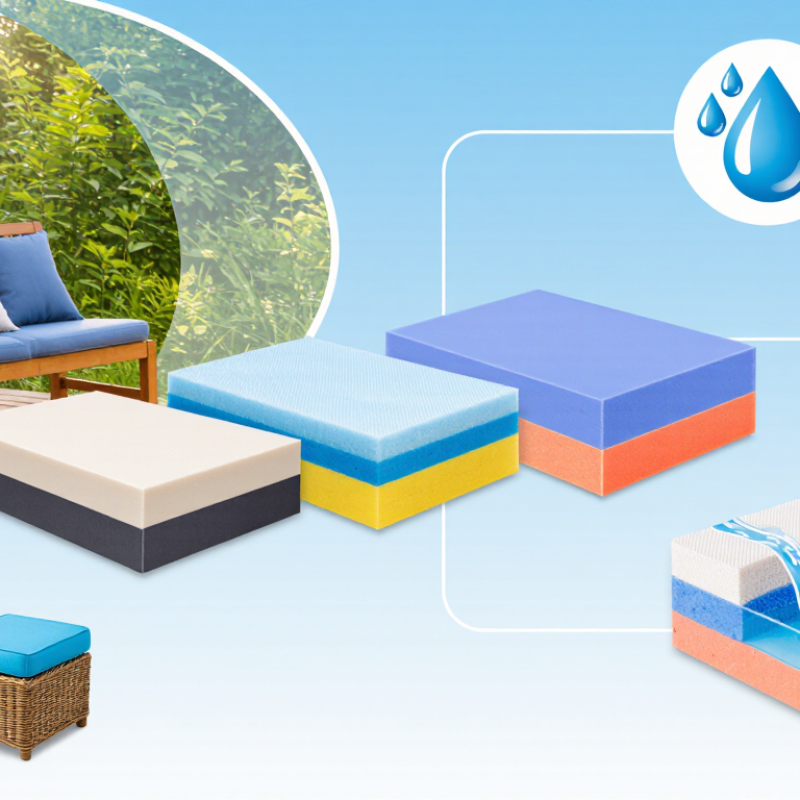
This guide examines foam density, firmness, drainage, cover design, and expected use. It explains why quick-dry foam can outperform standard polyurethane in exposed seating areas. It also considers layered construction, because a supportive core and softer top layer may improve comfort. Check the frame, too. Poor ventilation can damage even high-quality foam.
Small details matter.
For example, measure the cushion cavity before ordering. Allow enough room for the cover without forcing the foam into sharp corners. Test the foam with your hand, then sit on it for several minutes. A firm sample may feel supportive at first but become tiring during long meals. A softer sample may feel pleasant but lose shape sooner under daily use.
Material claims also deserve careful attention. “Water-resistant” does not always mean “quick-drying.” Likewise, a high price does not guarantee better performance. Ask suppliers about density, recovery, drainage, UV exposure, and replacement availability. Product specifications can be incomplete, and that limitation should not be ignored.
I once assumed thicker foam always meant better comfort. It did not. Seat depth, fabric tension, climate, and user weight changed the result. This guide therefore offers practical comparisons rather than one universal answer. With realistic expectations and careful measurements, you can choose outdoor cushion foam that remains comfortable, cleaner, and more dependable throughout the 2026 outdoor season.
What Outdoor Cushion Foam Is and Why It Matters
How to Choose Outdoor Cushion Foam in 2026?
What Outdoor Cushion Foam Is and Why It Matters
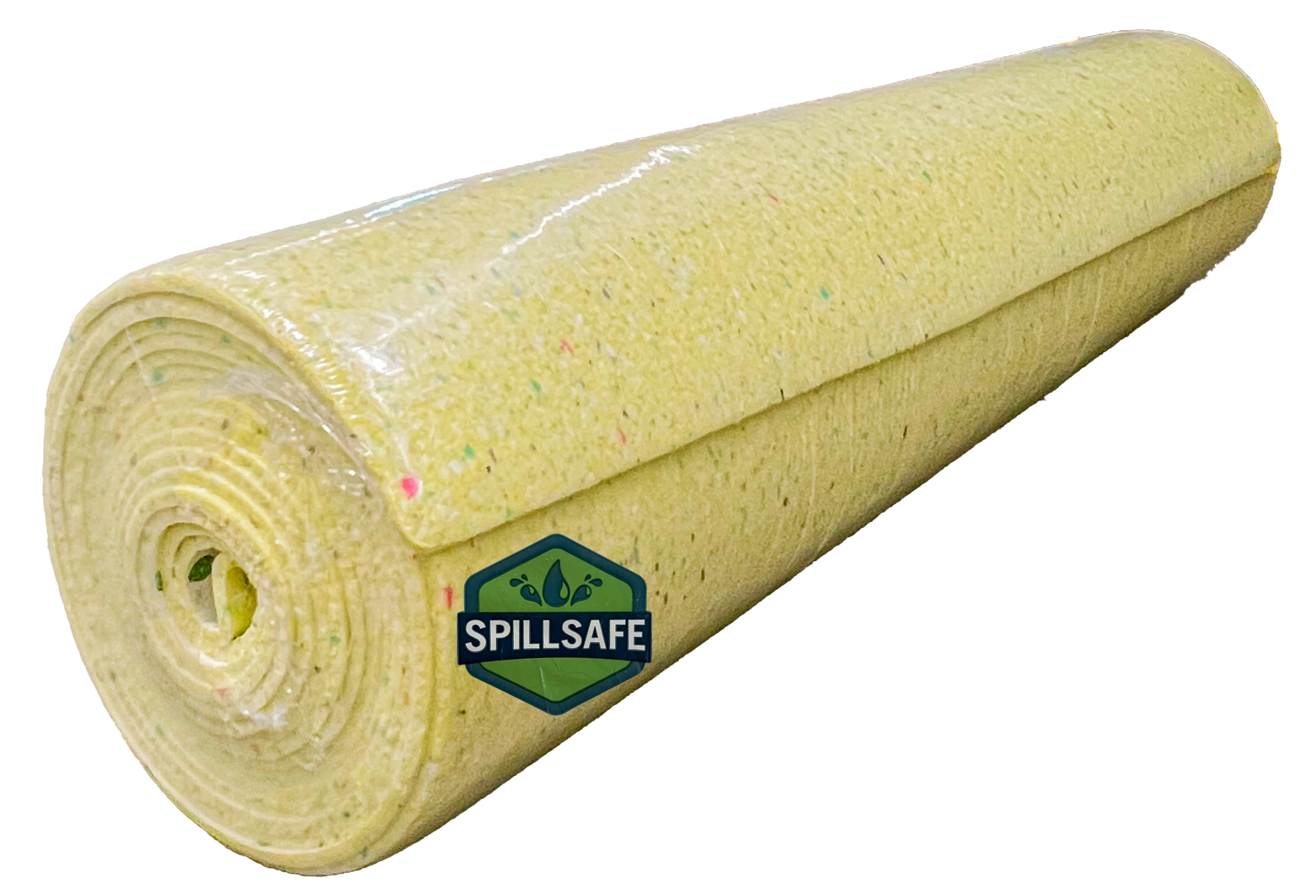
Outdoor cushion foam is a resilient material placed inside seat and back cushions. It supports the body while helping the cushion keep its shape. Unlike indoor foam, outdoor foam must handle rain, humidity, heat, and repeated movement.
The foam’s structure matters. Open-cell foam can drain water quickly when designed for outdoor use. Closed-cell foam resists moisture but may feel firmer and less breathable. Density also affects comfort and durability. Higher-density foam usually supports frequent use better, but density alone does not guarantee quality.
My practical advice is to test the cushion before buying. Sit for several minutes, then stand and check how quickly it recovers. I once chose a very soft cushion because it felt comfortable in a showroom. It flattened sooner than expected. That mistake still matters.
Look for foam with suitable outdoor drainage and a washable, water-resistant cover. The cushion should feel supportive, not stiff. Measure the seat depth carefully, because thicker foam can change the sitting angle. Also consider local weather. A covered patio needs different protection from an exposed deck.
Ask about foam density, recovery, and moisture performance. Reliable sellers should provide clear specifications. Avoid choosing by thickness alone. More foam is not always better. Sometimes, comfort and airflow require a careful compromise.
How to Match Foam Type to Outdoor Conditions
Outdoor cushion foam should match the weather, not just the cushion’s shape. In wet climates, open-cell reticulated foam allows rain to pass through quickly. ASTM D3574 testing measures airflow, compression, and recovery, which are useful indicators for outdoor seating. However, laboratory drainage is not the same as a cushion left under a soaked cover. I once selected highly absorbent foam for a shaded patio. It still stayed damp after several cloudy days.
For humid or rainy locations, choose quick-draining foam with a breathable cover and a sloped seat design. Closed-cell foam resists water absorption, but it can feel firmer and retain heat. In dry, sunny regions, prioritize UV-resistant fabric and stable foam structure. The National Weather Service classifies UV levels of 6–7 as high and 8–10 as very high. That exposure can weaken covers and accelerate surface breakdown. The Polyurethane Foam Association also notes that density supports durability, but density alone cannot predict service life.
Tips: Test a sample outdoors for two weeks. Spray it, compress it, and check its smell the next morning. For freezing climates, avoid trapped water inside the cushion. Water expands when frozen and can distort seams or foam cells. For frequent use, select higher-density foam, but do not assume the firmest option is best. Comfort, drainage, ventilation, and cover protection must work together. My earlier mistake was treating foam as an isolated component. It is really part of a small outdoor system.
How to Choose the Right Foam Firmness and Thickness
Choosing outdoor cushion foam starts with firmness, not appearance. For most seat cushions, medium-firm foam around 25–35 ILD offers balanced support. ILD measures the force needed to compress foam by 25%, following ASTM D3574 testing methods. Higher ILD feels firmer, but it can feel harsh on a deep lounge seat. A foam density of about 1.8–2.5 lb/ft³ is commonly recommended in the Polyurethane Foam Association’s cushion performance guidance. Density supports durability; it does not directly determine firmness.
Thickness changes comfort dramatically. A 3-inch cushion may suit a firm dining chair, while 4–6 inches usually feels better for relaxed outdoor seating. The International Sleep Products Association’s 2024 materials guidance also links thicker cushioning with better pressure distribution, although seat structure remains important. Leave enough compression space beneath the user. Otherwise, even firm foam can bottom out against the frame.
I once selected thick foam that felt luxurious in a showroom. It became awkwardly hard outdoors. Heat, fabric tension, and moisture changed the experience. Test a sample for several minutes, not several seconds. For heavier users, consider higher density before adding thickness. That choice is easy to overlook. Soft foam feels inviting initially, but it may lose comfort sooner under repeated use. ASTM fatigue testing can help compare samples, yet real patio conditions remain less predictable.
How to Choose Outdoor Cushion Foam in 2026?
Typical starting ranges for outdoor seating: select thickness for support and ILD firmness for how soft or firm the cushion feels.
Use thicker foam for deep lounge seating and sofas, while dining chairs and benches generally need less thickness. ILD means Indentation Load Deflection; a higher ILD indicates firmer foam. Final selection should also consider seat depth, user weight, cushion construction, and whether the foam is protected from water.
How to Evaluate Water Resistance, Drying, and Durability
How to Choose Outdoor Cushion Foam in 2026?
Outdoor foam must manage three threats: rain, trapped humidity, and repeated compression. I once equated fast drainage with overall quality. That was too simple. Reticulated, open-cell foam can release water quickly, especially through a mesh-bottom cover. However, poorly sewn seams may still trap moisture. Check the supplier’s drainage test, not only the foam description. Compare results with ASTM D3574, which evaluates compression set, tensile strength, and related performance.
Drying speed depends on the complete cushion. A 100-millimeter foam core may drain well, yet remain damp beneath a dense fabric cover. The 2024 NOAA climate report recorded 27 billion-dollar weather and climate disasters in the United States. That figure does not measure cushion failure, but it reflects increasingly demanding outdoor conditions. Ask for drying-time data after full saturation. Also inspect the zipper, seams, piping, and underside mesh. Foam alone cannot solve a poor cover design.
Tips:
Place a sample outdoors after heavy rain. Lift one corner after six hours. If water drips steadily, keep testing. Press the foam and note whether it rebounds evenly. Request UV-aging evidence using ASTM G154 or ISO 4892-3 procedures. Ask for compression-set results under ASTM D3574 conditions. Density matters, but it is not durability by itself. A firm cushion can still crack, fade, or hold moisture. I would choose documented testing over impressive claims, even when the sample feels excellent.