How to Choose the Best Spinal Alignment Support in 2026?
Choosing spinal alignment support in 2026 can feel confusing. The market includes lumbar cushions, posture braces, ergonomic chairs, and wearable reminders, each promising a different kind of help. But a product that feels comfortable in a shop may become irritating after an hour at a desk. Fit matters. So does the reason you are seeking support.
Spinal alignment support should not be treated as a cure or a substitute for medical advice. Back discomfort can have many causes, and no single device suits everyone. A cushion may help someone adjust a workstation, while a brace may be appropriate only for specific needs and under professional guidance. Small details count: where a cushion places pressure, whether straps restrict movement, and how easily a chair supports your feet on the floor. These are practical checks, not guarantees.
This guide looks at how to compare support options by comfort, adjustability, materials, and credible product information. It also considers warning signs, such as exaggerated claims or designs that feel painful or limit normal movement. A little skepticism helps. The best choice is not necessarily the most expensive or rigid one; it is the option that fits your body, daily routine, and professional guidance. And if symptoms persist or worsen, pause the product search and speak with a qualified healthcare professional.
What Spinal Alignment Support Is and How It Works
How to Choose the Best Spinal Alignment Support in 2026?
What Spinal Alignment Support Is and How It Works
Spinal alignment support refers to tools or strategies that help your back stay in a more comfortable, supported position during daily activities. These may include lumbar cushions, supportive chairs, or wearable braces. The right option depends on where discomfort occurs, how long you sit, and what movements your work requires. Support should feel steady, not restrictive.
A cushion can fill the gap between your lower back and a chair, while a brace may offer temporary guidance during specific tasks. Neither should force your spine into a rigid “perfect” shape. Your posture naturally changes as you move. Good support can reduce pressure and remind you to adjust, but it does not correct every spinal condition or replace professional care. Fit matters. If a brace causes numbness, rubbing, or increased pain, stop using it and seek advice from a qualified clinician. I’ve found that comfort is easy to overlook when a product looks supportive on paper.
Tips: Sit with both feet supported and check whether the support stays comfortable after 20 minutes. Take brief movement breaks. If pain persists or worsens, ask a healthcare professional for guidance.
How to Identify Your Posture and Support Needs
How to Choose the Best Spinal Alignment Support in 2026?
How to Identify Your Posture and Support Needs
Before choosing spinal alignment support, notice how your body feels during ordinary tasks. Check your sitting position at a desk, your stance while waiting, and how you move after a long drive. A single mirror check can be misleading. It is easy to overread a slouched photo; it does not prove that anything is wrong. Patterns matter more.
Keep a brief note for several days: when discomfort appears, what you were doing, and whether changing position helps. Small clues help. Consider your routine, too. Someone who sits for hours may need different support from someone who stands at work, but neither person needs to force a rigid “perfect” posture. Look for support that feels comfortable, allows natural movement, and can be adjusted to your activity. It should not cause pressure, tingling, or increased pain. If symptoms persist, worsen, or include numbness or weakness, ask a qualified health professional for an assessment rather than relying on a support product alone. My own posture can vary by the hour; that is a useful reminder not to judge need from one snapshot.
How to Choose Spinal Alignment Support in 2026
Start by checking your seated posture. These general ergonomic targets can help you identify where adjustable support may be useful.
Elbow, hip, and knee angles are shown as practical fitting ranges, not medical thresholds. Choose support that helps you maintain a comfortable, neutral posture; adjust your setup if you feel discomfort, and seek professional advice for persistent pain. References: OSHA Computer Workstations and CCOHS Office Ergonomics.
Which Types of Spinal Alignment Support Are Available
How to Choose the Best Spinal Alignment Support in 2026?
Which Types of Spinal Alignment Support Are Available
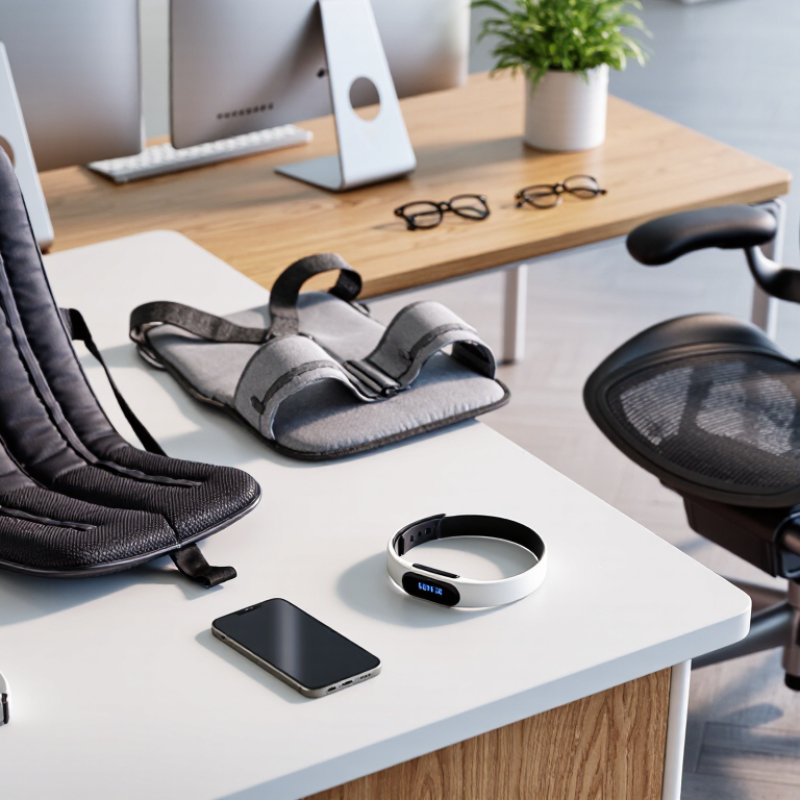
Spinal alignment support ranges from simple lumbar cushions to supportive braces. Adjustable chairs and sit-stand desks can also help you vary posture during long work sessions. Wearable posture trainers offer reminders, while prescribed braces may limit movement after specific injuries. These options serve different needs; none guarantees permanent spinal correction. The World Health Organization reported that low back pain affected 619 million people worldwide in 2020, with cases projected to reach 843 million by 2050. That figure signals a widespread problem, not proof that everyone needs a support device.
For everyday sitting, a cushion should support the lower-back curve without pushing your ribs forward. A brace may be appropriate for a clinician-defined need, but routine use is not automatically beneficial. NICE guidance advises against offering belts or corsets for low back pain with or without sciatica. Comfort, fit, and the reason for use matter more than a product’s “alignment” label. It can take a little trial and reflection.
Tips: Check that the support does not cause numbness, pinching, or increased pain. Try it for a short period, then reassess. Pairing support with regular movement may be more useful than relying on a device alone. WHO data: Low Back Pain fact sheet, 2023; NICE guideline NG59.
How to Choose the Best Spinal Alignment Support in 2026? - Which Types of Spinal Alignment Support Are Available
| Support type | Primary purpose | Adjustability and fit | Typical use | Important considerations |
|---|---|---|---|---|
| Ergonomic chair with lumbar support | Supports a comfortable seated posture and provides contact for the lower back. | Often offers adjustable seat height, backrest angle, and lumbar position or depth. | Desk work and other extended seated tasks. | Fit the chair to the user and workstation. A chair cannot replace movement breaks or treatment for a spinal condition. |
| Lumbar support cushion or roll | Adds support behind the lower back while seated. | Portable; firmness, shape, and placement vary by design and user preference. | Use with a chair, vehicle seat, or other seated surface. | Position it where it feels comfortable without forcing the back into an exaggerated curve. It does not correct a structural spinal condition. |
| Flexible lumbar brace or support belt | Provides compression and a sense of support around the lower trunk. | Usually secured with adjustable straps; sizing and compression levels differ. | May be used for selected activities or symptoms when appropriate. | A brace does not realign the spine by itself. Seek clinical advice about fit, duration, and whether it is suitable for your condition. |
| Posture reminder or wearable trainer | Uses a gentle cue, such as vibration, to prompt a change in posture. | Wearable designs vary; many allow adjustment of cue sensitivity or placement. | Short practice sessions or posture-awareness routines. | It is a reminder, not a rigid spinal brace or proven way to permanently correct posture. Avoid settings or wear that cause discomfort. |
| Scoliosis brace | A custom-fitted orthosis intended to help limit curve progression in some growing adolescents with scoliosis. | Selected and fitted according to the person’s curve, growth, and clinical assessment. | Used under the direction of a qualified scoliosis care team. | Not a general-purpose posture aid. The type and wearing schedule should be prescribed and monitored by clinicians. |
| Thoracolumbosacral orthosis (TLSO) | Restricts movement of parts of the thoracic and lumbar spine when immobilization or controlled support is required. | May be prefabricated or custom-fitted; design depends on the medical reason for use. | Sometimes prescribed after certain spinal injuries or procedures. | Requires professional assessment and fitting. Follow the prescribing clinician’s instructions for wearing, skin checks, and follow-up. |
| Cervical collar | Limits neck movement or supports the neck in specific clinical situations. | Available in different sizes and levels of rigidity; correct fit matters. | Used when recommended for a particular neck injury or medical condition. | Not intended for routine posture correction. Use only as directed, because unnecessary or prolonged immobilization may be inappropriate. |
Selection tip: Choose everyday seating or a cushion for comfort and workstation fit; choose a medical brace only with guidance from a qualified healthcare professional. Seek medical advice for persistent pain, injury, numbness, weakness, or a diagnosed spinal condition.
How to Compare Fit, Materials, and Safety Features
A spinal alignment support should fit your body, not force it into a rigid position. Check that its edges sit flat while you sit, stand, and bend. It should feel secure without pinching, numbness, or restricting your breathing. Adjustable straps help accommodate clothing and small changes in posture, but a tighter fit is not automatically better. Check the care label, seams, and fasteners; breathable, washable materials can matter during daily wear. Small details count.
Look for clear sizing guidance, pressure-relief features, and instructions on when to stop using the support. Avoid products promising to permanently correct posture or cure pain. The World Health Organization reported that low back pain affected 619 million people worldwide in 2020, underscoring why careful, evidence-based choices matter. A 2016 Cochrane review of 15 studies involving 14,437 workers found lumbar supports were not more effective than other approaches for preventing low-back pain. That finding is easy to overlook. A support may still help some people feel steadier, but fit alone cannot show that it is medically suitable. If pain worsens, causes tingling or weakness, or persists, seek advice from a qualified health professional. I would reassess the fit after a short trial, too; comfort can change with movement.
How to Select and Use Support for Daily Activities
How to Choose the Best Spinal Alignment Support in 2026?
Selecting support for daily activities starts with noticing when you need it. Is discomfort worse while sitting, lifting, or walking? Choose a design that fits the activity and allows comfortable breathing and movement. The World Health Organization’s 2023 low back pain fact sheet estimated 619 million cases worldwide in 2020, with projections reaching 843 million by 2050. That figure shows the scale of the problem, not proof that a support device will correct spinal alignment.
For desk work, check that the support stays comfortable against your chair and does not force a rigid posture. For lifting or household tasks, prioritize a secure fit and unrestricted movement. Try it briefly at home before wearing it for longer periods. Comfort is not proof of correction. It is easy to mistake a snug fit for a better fit; if pain worsens, or you notice numbness, stop using it and seek guidance from a qualified health professional. A support may help some activities, but it should not replace appropriate care or regular movement.
Tips: Check the fit while seated and standing. Keep it snug, not tight. Follow the product’s use instructions, and ask a clinician whether support suits your needs.
Related Posts
-
What are the Safe Bedding Materials for a Healthy Sleep in 2026?
-
The Ultimate Mattress Topper Guide with 10 Tips for a Better Sleep?
-
How to Choose Marine Upholstery Foam for Your Boat Needs?
-
China Best Pressure Relief Technology Innovations for Enhanced Comfort?
-
Best Soundproofing Foam Panels for Effective Noise Reduction?
-
How to Source Cooling Gel Foam Globally in 2026?
Let's Work Together
The most innovative products come from the most innovative people - and for over 55 years our team has been propelled by curiosity and a steadfast dedication to inventing and creating the best foam formulations for our customers.