

7 Tips for Choosing Spinal Alignment Support

Choosing spinal alignment support can feel surprisingly complicated. Shelves display braces, cushions, belts, and posture devices with confident promises. Yet a supportive product is not automatically suitable for every back.

The spine is not a rigid ruler. It moves during walking, lifting, sitting, and sleeping. Good support should respect that movement while reducing unnecessary strain. A product that feels firm in a store may become painful after three hours at a desk. Small details matter, including shoulder pressure, breathable fabric, adjustable straps, and whether the device stays in place.

These seven tips focus on practical, evidence-informed decisions. They consider comfort, fit, intended use, material quality, and professional guidance. A physiotherapist or qualified healthcare professional can help identify whether support is appropriate. Persistent numbness, weakness, severe pain, or changes in bladder control require prompt medical attention.

Comfort matters most.

It is tempting to choose the strongest device available. That approach can be misleading. Excessive restriction may encourage dependence or change natural movement patterns. Support should assist your body, not replace strengthening, mobility work, or proper lifting habits. The best choice may also change as your symptoms, activity level, or recovery progresses.

No product works perfectly for everyone. Personal testing remains important. Notice pressure points after sitting, walking, and bending. Keep realistic expectations, read independent product information, and question dramatic claims. A thoughtful decision combines professional advice, reliable evidence, and honest attention to how your body responds.

7 Tips for Choosing Spinal Alignment Support

Understanding Spinal Alignment and Its Support Needs

Understanding Spinal Alignment and Its Support Needs

Spinal alignment means keeping the head, shoulders, pelvis, and hips balanced during movement. It does not mean holding the body rigidly. The World Health Organization reported that low back pain affected about 619 million people worldwide in 2020, with cases projected to reach 843 million by 2050. These figures show why alignment support deserves careful attention, not quick purchasing decisions.

Begin with seven practical checks: neutral positioning, correct size, adjustable tension, breathable materials, freedom of movement, gradual wear, and professional guidance. A support should feel secure, never painfully tight. Sit in it for several minutes. Notice pressure near the ribs, hips, and lower back. Try walking, bending, and reaching. Poor fit often appears during movement, not while standing still. The U.S. Bureau of Labor Statistics reported that musculoskeletal disorders represented about one-third of private-industry cases involving days away, restricted work, or job transfer in 2023. Workplace posture clearly matters, but support cannot replace movement breaks or proper workstation height.

No support is perfect. A rigid design may encourage dependence, while a loose design may provide little feedback. That balance is easy to underestimate. People with numbness, persistent pain, weakness, or recent injury should seek assessment from a qualified clinician. Evidence and individual comfort must work together. Recheck the fit after washing, weight changes, or changes in daily activity. A careful choice supports alignment without pretending to correct every spinal problem.

7 Tips for Choosing Spinal Alignment Support — Understanding Spinal Alignment and Its Support Needs

Global low back pain estimates highlight why supportive, well-fitted products should be selected according to individual comfort, posture, activity, and clinical needs.

Low back pain affected an estimated 619 million people worldwide in 2020 and is projected to reach approximately 843 million by 2050. When choosing spinal alignment support, consider fit, adjustability, comfort, mobility, breathable materials, intended activity, and professional guidance. Support products are not a substitute for medical assessment.

Source: World Health Organization, “Low back pain” fact sheet, 2023; global estimates based on published burden-of-disease research.

Identifying the Right Type of Alignment Support

7 Tips for Choosing Spinal Alignment Support

Identifying the right type of support matters more than choosing the firmest option. Tip 1: Define the problem. A lumbar roll may help sitting, while a cervical pillow may suit sleep. Tip 2: Match the support to your posture. Check whether your head, shoulders, and hips stay naturally stacked. Tip 3: Measure carefully. Width, height, and body shape affect comfort and positioning.

Tip 4: Choose adjustable support when possible. Straps, removable layers, or different heights allow small corrections. Tip 5: Start gradually. Wear a brace or support for short periods, then check for pressure, numbness, or restricted breathing. Stop if symptoms worsen. Tip 6: Consider the activity. A desk support needs different features from a walking or recovery aid. Soft padding can feel comfortable, but excessive softness may reduce stability.

Tip 7: Seek professional guidance for persistent pain, weakness, tingling, or balance changes. A physiotherapist or physician can assess movement instead of guessing from symptoms. In practice, many people choose support based on appearance alone. I once underestimated how quickly a “comfortable” device could encourage slouching. That was a useful reminder. Alignment support should assist neutral positioning, not force the spine rigidly straight. Read care instructions, inspect seams and fasteners, and reassess your posture after several days. Some supports simply are not suitable.

7 Tips for Choosing Spinal Alignment Support - Identifying the Right Type of Alignment Support

Tip Support Type Primary Region Best-Suited Use Key Selection Criteria Adjustment or Fit Guidance Important Consideration
1Match the support to the target area Lumbar support cushion or roll Lower back Seated work, driving, or prolonged travel Choose a shape that fills the natural inward curve without forcing the lower back into excessive extension. Position it at the belt-line area and adjust the seat so the feet remain supported and the knees are comfortably bent. A lumbar cushion supports seated posture; it does not correct every cause of back pain.
2Consider sleeping position Contoured cervical pillow Neck and upper spine Sleep support for side, back, or combination sleepers Height and firmness should keep the head level with the rest of the spine rather than tilted upward or downward. Side sleepers commonly need more height than back sleepers because shoulder width creates additional space between the head and mattress. Comfort and neutral head positioning are more useful indicators than pillow thickness alone.
3Choose mobility support carefully Sacroiliac or pelvic support belt Pelvis and lower back region Short-term support during walking or selected activities when recommended by a qualified professional Look for a stable, breathable design with secure fastening and a width appropriate for the intended position. It should feel supportive without causing numbness, skin irritation, breathing restriction, or leg discomfort. Persistent pelvic or low-back symptoms should be assessed rather than managed only with a belt.
4Prioritize movement over rigid restriction Flexible posture support garment Upper back and shoulders Reminder-based posture awareness during desk work or light daily activity Select a design that permits normal shoulder, arm, and breathing movement and uses soft, non-abrasive materials. Wear it for limited periods initially and remove it if discomfort, tingling, or restricted movement develops. External supports should complement strengthening, ergonomic changes, and regular movement breaks.
5Check foot and lower-limb alignment needs Foot orthotic or supportive insole Feet, ankles, and lower-limb kinetic chain Foot comfort and load distribution during standing or walking Consider arch shape, shoe volume, cushioning, stability, and whether the insole fits without crowding the toes. Introduce a new insole gradually and confirm that it does not create pressure points or alter walking comfort negatively. Foot inserts are not universally required for spinal alignment; selection should relate to symptoms and functional needs.
6Verify adjustability and body fit Adjustable back brace Thoracic or lumbar spine Specific activities or recovery periods when prescribed or advised Check size range, closure strength, panel placement, ventilation, and compatibility with clothing. The brace should remain secure while allowing comfortable breathing and normal circulation. Extended or unnecessary use of rigid bracing may limit movement; follow professional guidance for duration and purpose.
7Use comfort, safety, and evidence as final filters General alignment support system Region-specific, depending on the product Temporary assistance alongside ergonomic and movement strategies Review independent product information, material safety, return options, cleaning instructions, and objective fit guidance. Stop using the product if it causes increasing pain, weakness, numbness, skin changes, or circulation problems. Seek medical evaluation for severe or worsening pain, trauma-related symptoms, bowel or bladder changes, or progressive weakness.

General information only: spinal alignment supports vary by individual needs and should not replace assessment or treatment from a qualified healthcare professional.

Evaluating Fit, Materials, and Adjustability

Choosing spinal alignment support starts with fit, not appearance.

The Lancet estimated that 619 million people experienced low back pain in 2020.

Yet a support cannot correct every cause.

A Cochrane evidence review found limited, low-certainty evidence for lumbar supports. Treat marketing promises carefully.

Try the support while standing, sitting, and walking. It should feel firm, never sharp. Check whether the lower edge digs into your hips. Your breathing should remain easy. Two fingers should slide beneath the main strap without excessive pressure. The support should stay centered when you bend slightly. If it twists, the shape or size is wrong. Height matters too; a tall panel may restrict sitting, while a short one may miss the intended area.

Materials affect daily comfort. Breathable mesh can reduce heat during long wear, while foam may provide softer contact. Look for smooth seams and moisture-resistant, washable surfaces. Skin redness that lasts is a warning, not an adjustment challenge. Adjustable straps are useful, but more settings do not guarantee better support. NIOSH ergonomic guidance favors neutral posture and task-specific adjustment. Recheck the fit after several hours. Bodies change with clothing, movement, and fatigue. I would question any device that feels perfect only for five minutes. Pain, numbness, or tingling requires stopping use and seeking qualified clinical advice.

Checking Comfort, Safety, and Daily Usability

7 Tips for Choosing Spinal Alignment Support

Checking Comfort, Safety, and Daily Usability

A spinal alignment support should feel steady, not punishing. During fitting, check whether its edges press into your ribs, hips, or skin. Walk, sit, bend, and take several deep breaths. Real comfort appears during movement, not while standing still. I once underestimated a stiff strap because it felt secure for five minutes. By evening, it had become distracting. That experience changed how I judge support.

Safety depends on more than firm compression. Look for adjustable parts, breathable materials, and clear care instructions. The device should not cause numbness, tingling, unusual pain, or restricted breathing. Stop using it if these signs appear. A qualified clinician can help match support to your posture, symptoms, and activity level. This matters because a brace designed for short periods may be unsuitable for sleeping or long work shifts. Tighter is not automatically better.

Daily usability often decides whether support becomes helpful or abandoned. Test it under a shirt, at a desk, in a car, and while lifting light household items. Check whether you can clean it easily and adjust it without assistance. Fastening should be simple. Follow the supplied wear schedule, and inspect your skin after removal. My own routine would include short trials, notes on discomfort, and honest reassessment. No support fits every body. If it interferes with normal movement, reconsider the choice rather than forcing adaptation.

Reviewing Professional Guidance and Long-Term Results

7 Tips for Choosing Spinal Alignment Support

Reviewing Professional Guidance and Long-Term Results

Tip 1: Clarify the purpose. A support may reduce discomfort during lifting, sitting, or recovery, but it cannot permanently realign the spine. The World Health Organization reported 619 million people experienced low back pain in 2020. That figure may reach 843 million by 2050.

Tip 2: Check professional guidance. NICE advises against routinely using belts or corsets to manage low back pain. The recommendation favors movement, education, and suitable exercise.

Tip 3: Look for an adjustable fit. The support should feel firm, not restrictive. You should breathe comfortably and move without numbness.

Tip 4: Consider long-term evidence. A Cochrane review found insufficient evidence that lumbar supports prevent or treat back pain better than other approaches. The evidence is not tidy. I would avoid products promising permanent correction.

Tip 5: Ask about daily use. A physiotherapist can assess posture, muscle control, work demands, and previous injuries. This personal review is more useful than choosing by appearance alone.

Tip 6: Track real results. Record pain, walking time, sitting tolerance, and sleep for two weeks. Stop if symptoms worsen, skin changes appear, or weakness develops.

Tip 7: Reassess regularly. A support that helps during a short task may become unhelpful when worn all day. Long-term improvement usually depends on active rehabilitation, gradual strength training, and realistic movement habits. NICE guideline NG59 and the Cochrane review both support careful decision-making rather than passive dependence.

Let's Work Together

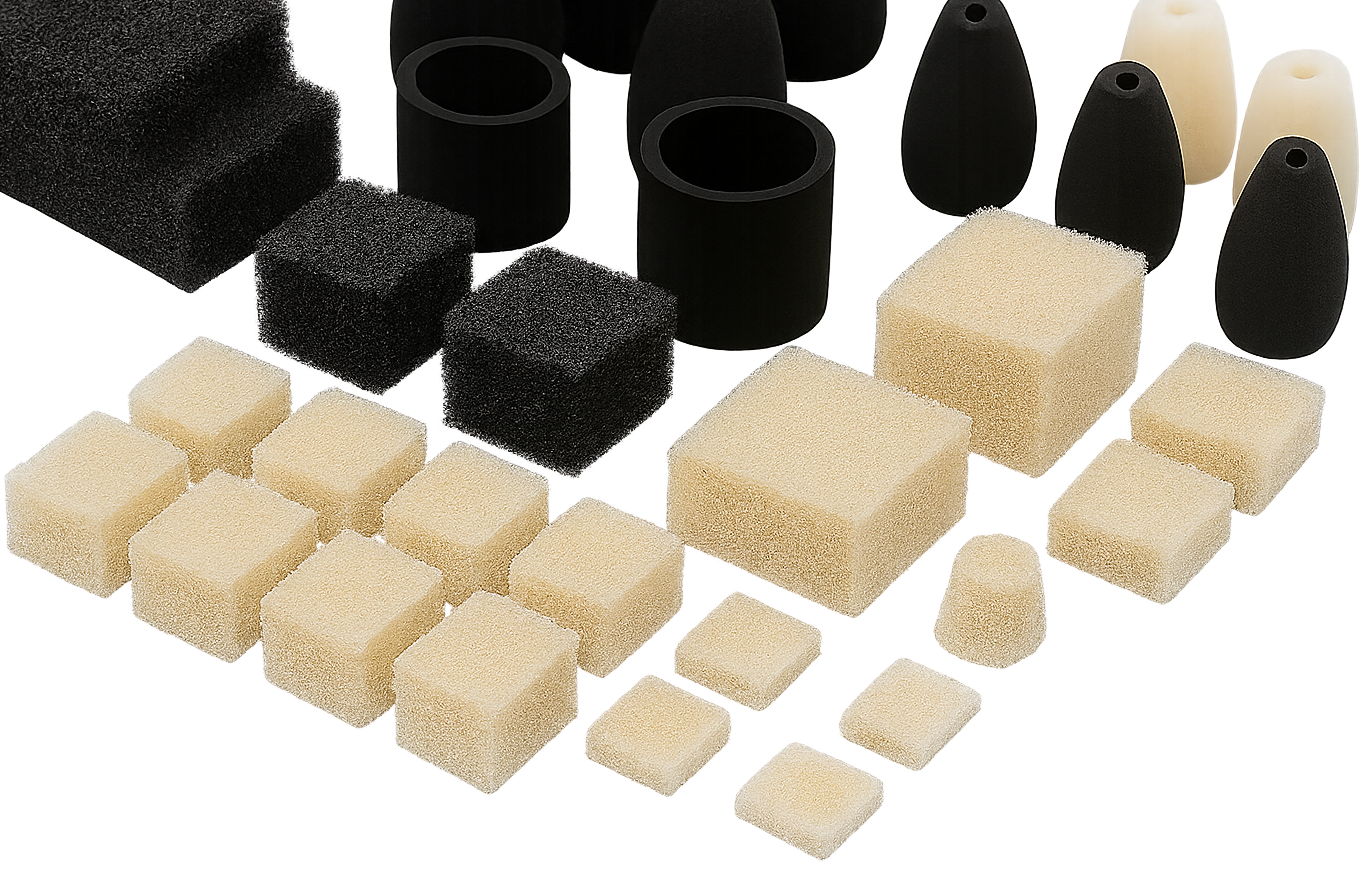
The most innovative products come from the most innovative people - and for over 55 years our team has been propelled by curiosity and a steadfast dedication to inventing and creating the best foam formulations for our customers.