2026 Top Types of Home Decor Padding for Global Buyers
Choosing the right Home decor padding can influence comfort, appearance, durability, and shipping costs. Global buyers often compare foam, polyester fiberfill, cotton batting, felt, latex, and down-alternative padding. Each option performs differently under pressure, humidity, heat, and repeated use.
A dining chair may need firm foam that resists flattening after daily meals. A sofa cushion may require layered foam and fiberfill for softer recovery. Decorative wall panels often benefit from lightweight felt, while upholstered headboards need stable padding with clean edges. Buyers should review density, thickness, compression recovery, fire performance, odor, and moisture resistance. Product samples matter. Photos cannot reveal firmness.
Reliable sourcing also requires practical verification. Ask suppliers for technical data sheets, material composition, test reports, and production samples. Check whether certificates match the destination market and the intended household application. Packaging deserves attention too. Compressed padding may reduce freight volume, but poor recovery can create uneven cushions and visible wrinkles.
No single material suits every project. That is the difficult part. A low-cost option may become expensive after returns, replacements, or weak customer reviews. Recycled fibers can support sustainability goals, although their feel and consistency may vary between batches. Natural materials can appear premium, but moisture control and supply stability need careful review. This guide compares the top padding types for global buyers, focusing on performance, sourcing evidence, customization, and realistic trade-offs. Some recommendations may require reconsideration after testing in actual rooms, climates, and furniture designs.
What Home Decor Padding Is and Why Global Buyers Need It
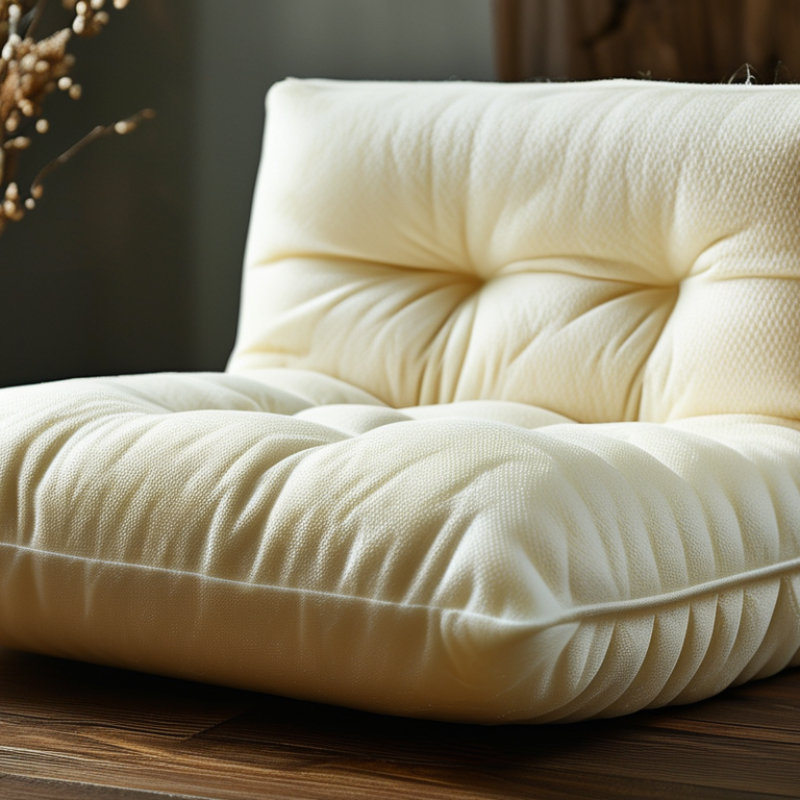
Home decor padding is the soft layer inside cushions, upholstered panels, headboards, curtains, and protective packaging. It may include foam, polyester fiberfill, cotton batting, felt, or layered textile blends. The material controls comfort, shape, insulation, and surface appearance. It is not filler alone.
Global buyers need padding because furniture travels through different climates, warehouses, and handling systems. A cushion insert that feels firm in a dry showroom may soften in humid storage. Foam density, recovery rate, thickness, and compression resistance therefore require clear specifications. Textile Exchange reported 124 million tonnes of global fiber production in 2023, showing the scale of material choices behind modern interior products. Recycled fibers are growing, but recycled content does not automatically mean better durability.
The buyer must check testing evidence. Useful documents include technical data sheets, flammability results where required, chemical compliance records, and compression-loss measurements. The International Organization for Standardization provides test methods for materials such as flexible polyurethane foam, helping suppliers compare performance more reliably.
Still, test results can miss real household use. A seat cushion may face children, pets, sunlight, and repeated folding. I would not choose padding by price alone. That decision often creates early sagging, uneven edges, and extra shipping waste. A practical specification should state the end use, expected loading, climate exposure, dimensions, tolerances, and packaging method before production begins.
Main Types of Padding Materials Used in Home Decor
2026 Top Types of Home Decor Padding for Global Buyers
Main Types of Padding Materials Used in Home Decor
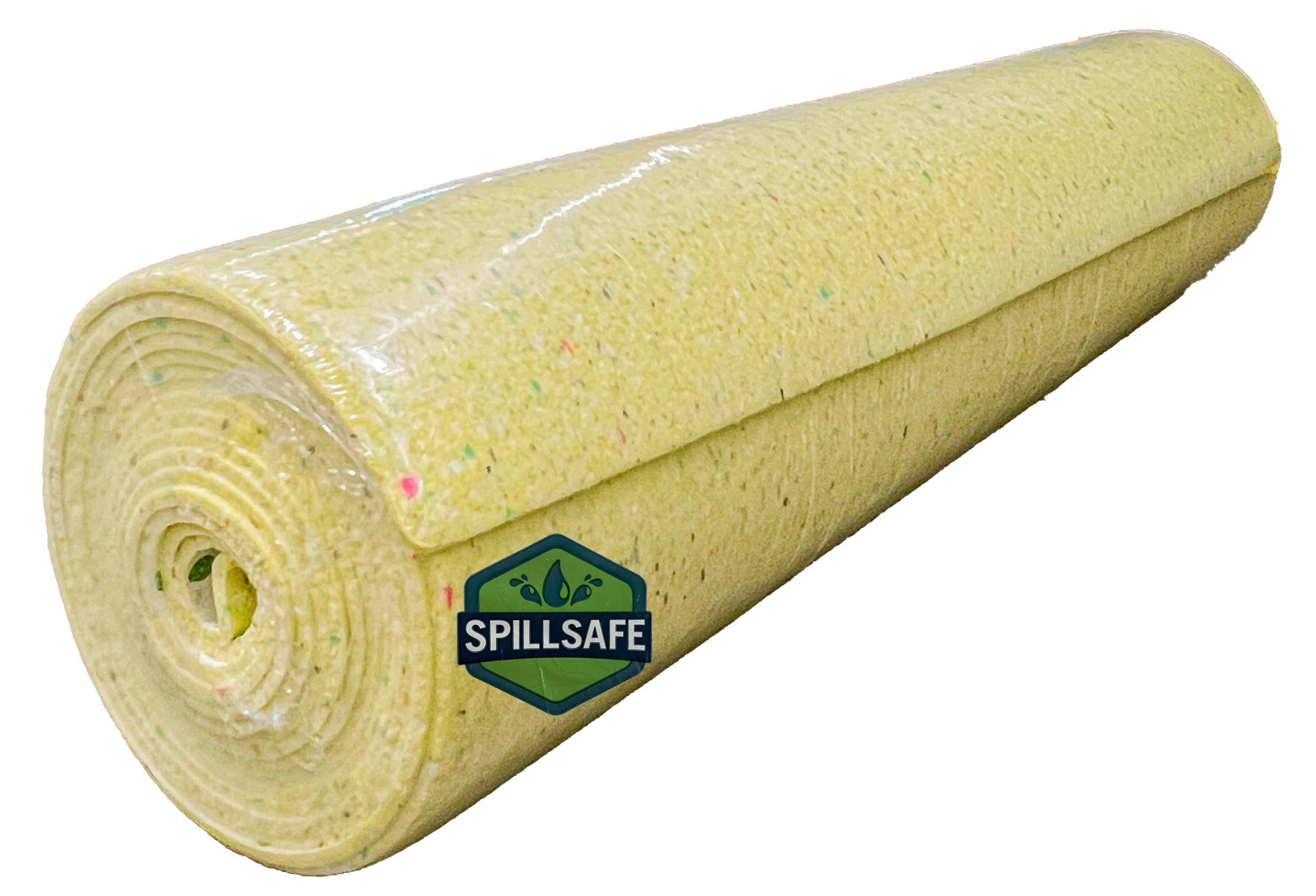
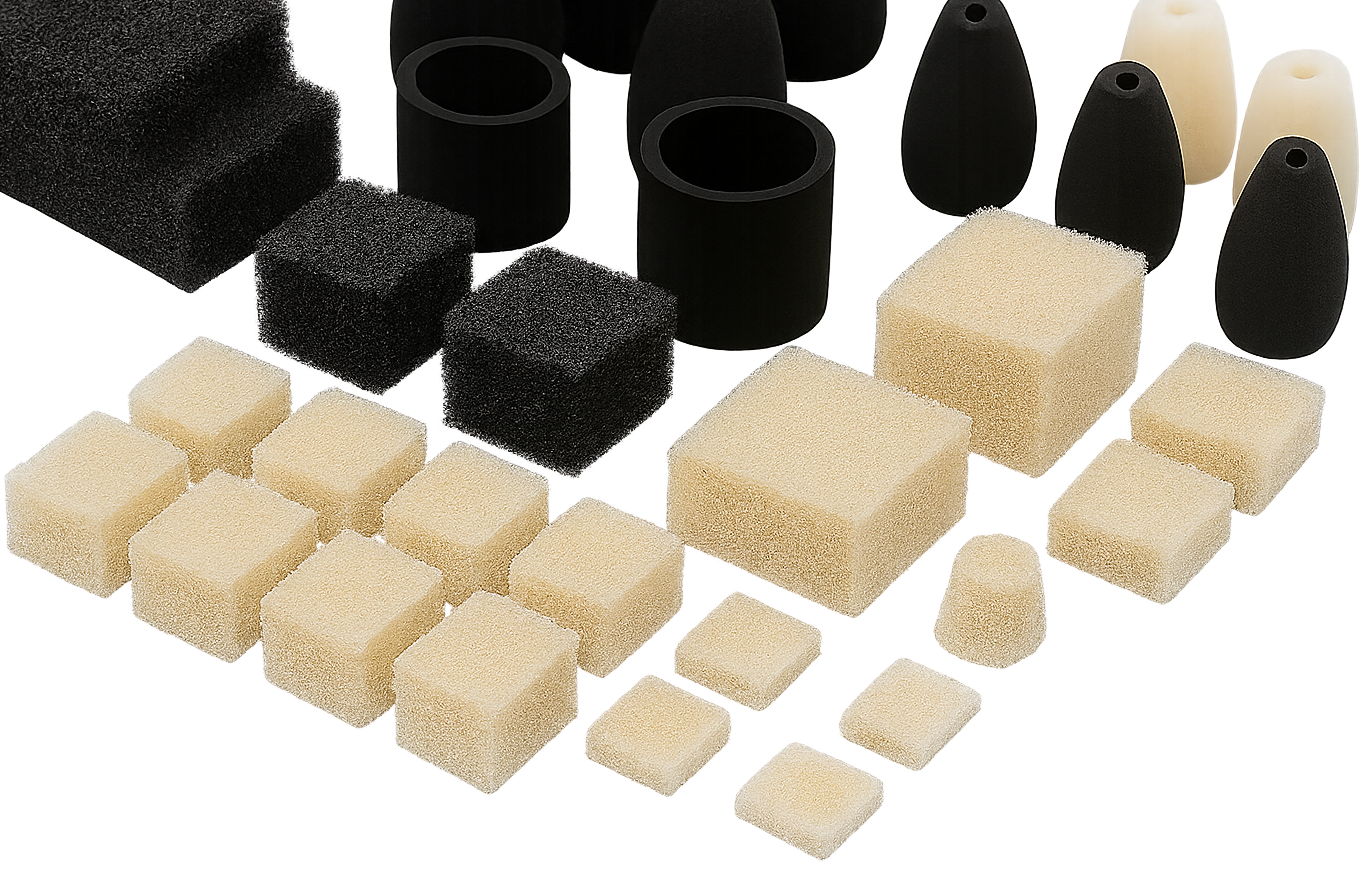
Home décor padding affects comfort, shape, durability, and appearance. Polyester fiberfill is lightweight, affordable, and suitable for cushions, pillows, and soft furnishings. High-resilience foam supports sofas and dining seats without feeling overly hard. Memory foam offers pressure relief, but it may retain heat in warm rooms. Natural latex provides flexible support and usually recovers its shape quickly. Down and feather padding feels luxurious, although it needs regular reshaping. Cotton and wool create a softer, breathable finish, but they can compress sooner.
Tips: Ask suppliers for density, thickness, recovery rate, and material composition. Request samples before placing large orders. Press each sample by hand. Check its rebound after one minute. Also compare odor, stitching, moisture resistance, and cleaning instructions. These small checks reveal differences that product photos often hide.
A suitable material depends on the furniture’s use and climate. Dense foam works well for busy seating areas. Fiberfill suits decorative cushions that need a softer silhouette. Wool can add warmth in cooler interiors, while breathable cotton may feel better in humid spaces. In practical inspections, padding sometimes looks perfect but loses volume after repeated compression. My earlier assumption was that thicker padding always meant better comfort. It does not. Cushion shape, cover tension, and internal support matter just as much. Buyers should test the complete cushion, not only the raw material.
How Padding Types Compare in Comfort, Durability, and Cost
Padding changes how a room feels, not just how a sofa feels. Polyurethane foam remains popular because it offers stable support and predictable pricing. Grand View Research valued the global polyurethane foam market at over USD 40 billion in 2023, reflecting broad demand across furniture and construction. High-density foam usually resists early sagging better than low-density foam. However, density does not guarantee softness. Cushion firmness and compression ratings also matter.
Memory foam provides slower pressure relief, which suits window seats and reading benches. It can retain heat, though. Polyester fiberfill feels soft and costs less, but it often flattens faster. Down and feather blends offer a relaxed, luxurious feel. They need frequent reshaping. Latex feels springy, durable, and cooler, but its higher material cost can challenge budget projects. The International Sleep Products Association reported continued growth in specialty foam use in its 2024 industry statistics, yet furniture buyers should not transfer mattress data blindly.
I have seen thick cushions feel uncomfortable after ten minutes. Thickness alone misleads. ASTM D3574 testing helps compare foam density, firmness, and compression loss under controlled conditions. Still, laboratory results cannot fully predict daily use, humidity, or careless sitting habits. For commercial interiors, a medium-firm foam core with a replaceable fiber wrap often balances comfort and service life. For occasional home use, fiberfill may be the sensible compromise. Prices vary by region, fabric, labor, and shipping, so a low material quote can become expensive after replacement.
Global Purchasing Factors: Safety, Sustainability, and Shipping Requirements
2026 Top Types of Home Decor Padding for Global Buyers
Global buyers now compare padding by safety, sustainability, and shipping performance. Comfort alone is no longer enough. For sofas, dining chairs, and decorative cushions, buyers often select recycled polyester, cotton blends, natural latex, or wool padding. Each option needs a different inspection plan. Check density, recovery, odor, moisture resistance, and stitching compatibility before placing a large order. Safety documentation should cover material composition, flammability performance, and restricted chemical testing. Requirements vary between markets, so one certificate may not satisfy every destination. Confirm current import rules with qualified local professionals.
Sustainability claims need practical evidence. Ask for recycled content records, fiber traceability, production waste data, and packaging details. Durable padding can reduce replacement frequency, even when its original material has a higher cost. Natural fibers feel appealing, but they may absorb moisture during storage. Recycled synthetics resist some handling problems, yet their end-of-life options can be limited.
No material is perfect. That point deserves more honesty.
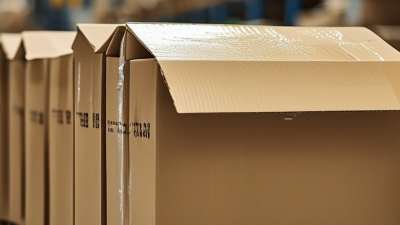
Shipping can change the real purchase price. High-volume padding may incur dimensional charges, even when it is lightweight. Vacuum compression saves container space, but excessive pressure can damage recovery. Request compression trials, moisture barriers, carton measurements, and inspection photos before dispatch. In purchasing reviews, small packaging failures often create larger delays than production defects. Buyers should leave room for improvement.
A successful shipment is not only on time; it arrives dry, clean, accurately labeled, and ready for installation.