



Why Choose a Wall Mounted Toilet Bowl for Global Buyers?
For global buyers, bathroom design now demands more than attractive surfaces. It must combine hygiene, accessibility, durability, and efficient use of space. A Toilet Bowl Wall Mounted system answers these needs through a concealed cistern and a bowl fixed above the floor. This arrangement creates a clean visual line and leaves open floor space beneath. In a compact apartment, that gap can make daily cleaning noticeably easier.
The practical advantages extend beyond appearance. Installers can adjust the bowl height during frame installation, supporting different users and project requirements. The exposed ceramic surface is generally simple to wipe, while fewer floor joints can reduce areas where dust and moisture collect. A strong mounting frame, reliable flush valve, and compatible access panel remain essential. Beautiful design cannot compensate for weak components.
From experience, international projects often reveal overlooked details. Wall construction, water pressure, drainage position, and replacement-part availability vary between markets. Buyers should check technical drawings and installation standards before ordering large quantities. This step prevents costly surprises at the job site. It also supports dependable long-term maintenance.
There is no perfect bathroom solution.
A wall-mounted toilet may require more planning than a floor-mounted model. Concealed parts can be harder to inspect if access is poorly designed. Some buyers may also underestimate installation labor. That concern is reasonable. However, when manufacturers provide clear specifications, tested components, and responsive technical support, the system can deliver lasting value. The right choice depends on verified performance, local installation expertise, and the actual needs of each building.
What Is a Wall Mounted Toilet Bowl?
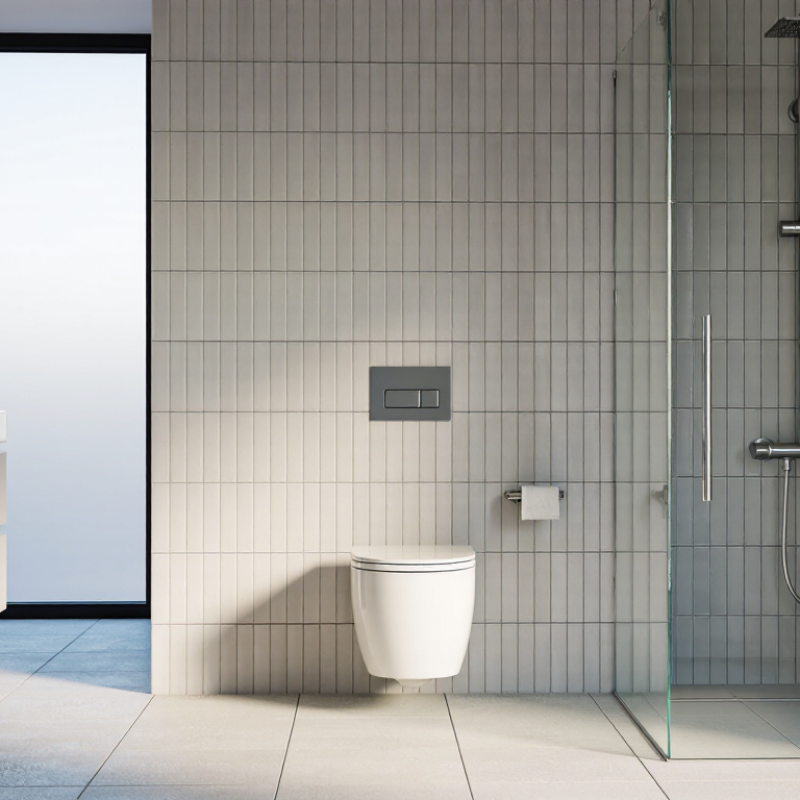
A wall mounted toilet bowl is a bathroom fixture fixed to a concealed support frame inside the wall. Unlike a floor-mounted toilet, its ceramic bowl does not touch the floor. The tank, pipes, and carrier frame stay behind the wall surface. Only the bowl and flush plate remain visible. This design creates open floor space beneath the toilet. Cleaning becomes easier, especially around corners and narrow edges. The installation looks lighter, but the hidden structure carries significant weight.
For global buyers, the bowl is only one part of a complete system. Check the carrier frame, concealed cistern, flush plate, drainage position, and water connection together. A qualified installer should confirm wall strength and local plumbing requirements before installation.
Measurements also matter. Small differences in outlet height can create expensive problems. In some projects, a hidden tank makes future repairs less convenient. That trade-off deserves honest consideration. I have seen attractive bathrooms become difficult to service because access planning was ignored.
Tips: Confirm the frame’s load rating. Measure the finished wall thickness. Keep an access route for maintenance. Choose durable ceramic with an even, easy-clean surface. Ask for installation instructions in your working language. Do not assume every wall can support the system.
How Does a Wall Mounted Toilet System Work?
A wall mounted toilet system hides its cistern, water inlet, and waste connection behind the wall. A strong steel carrier frame supports the bowl and transfers its load to the floor. The visible bowl hangs from threaded rods fixed to this frame. When the flush plate is pressed, a valve releases water from the concealed cistern into the bowl. Waste then flows through a horizontal outlet toward the drainage pipe.
The wall structure matters. A framed partition usually needs reinforced mounting points and correct load calculations. Masonry walls may require different anchors and installation methods. The flush plate provides access to key components, but the opening is limited. This means valves should be selected carefully and installed with service access in mind. It is not maintenance-free. A small planning mistake can make future repairs difficult. Local plumbing rules, water pressure, drainage direction, and replacement-part availability also differ between countries. Experienced installers should check these details before closing the wall.
Tips: Confirm the carrier frame’s tested load rating and adjustability. Leave enough space for insulation and pipe movement. Check the finished bowl height with the actual floor covering. Test for leaks before sealing the wall. Keep installation records and spare valve information nearby. Clean access areas gently, because aggressive tools can damage the flush plate. A quieter flush may depend on pipe support, not only the toilet itself.
What Benefits Does It Offer Global Buyers?
Why Choose a Wall Mounted Toilet Bowl for Global Buyers?
A wall mounted toilet bowl can create a cleaner, more spacious bathroom. Its bowl floats above the floor, leaving fewer corners for dust, hair, and moisture. This detail matters in small apartments, hotels, and accessible bathrooms. Cleaning becomes quicker with a mop sliding underneath. It feels practical.
Many models allow height adjustment during installation. This helps families, older users, and people with limited mobility find a more comfortable seating position. The concealed cistern also reduces visual clutter and may lower bathroom noise. However, buyers should check wall strength, plumbing layout, and local installation requirements before ordering. A suitable carrier frame is essential. Guessing here can become expensive.
For international projects, packaging quality and replacement-part availability deserve close attention. A damaged ceramic bowl can delay an entire installation schedule. Buyers should request tested dimensions, clear technical drawings, and compatible flush components. Local plumbers should confirm water pressure and drainage connections. These checks improve reliability across different markets.
Yet wall mounted designs are not perfect. Accessing concealed parts may require a service opening, and poor installation can cause movement or leaks. I have seen attractive bathroom plans fail because maintenance space was ignored. A lower purchase price may not equal lower total cost. Careful planning usually brings better long-term value.
What Factors Should Buyers Consider Before Choosing One?
A wall mounted toilet can free floor space and simplify cleaning, but appearance should not drive the decision. Measure twice. Buyers should check the wall cavity, carrier frame, waste outlet position, and finished-wall thickness before ordering. A concealed cistern also needs a practical service opening. If a flush valve fails, attractive design becomes inconvenient maintenance.
Water efficiency deserves careful comparison. The U.S. EPA WaterSense specification states that certified toilets use 1.28 gallons per flush or less, while maintaining tested performance. The EPA also reports that toilets represent nearly 30% of indoor household water use. However, these figures describe toilet performance generally, not every wall mounted model. Ask for flush-test results, trapway details, and operating noise data. Local water pressure can change real-world results.
Load rating, user comfort, spare-part access, and local plumbing codes require equal attention. The ASPE Plumbing Engineering Design Handbook emphasizes correctly supported fixtures and accessible maintenance components. Buyers should request documented carrier ratings, installation drawings, warranty terms, and replacement-part availability. Smaller bathrooms may benefit greatly, yet a hidden leak can be harder to notice. That risk is easy to overlook. A lower purchase price may also conceal higher installation costs, especially when walls need reinforcement or later repair. The best choice is not always the thinnest bowl; it is the model that suits the building, users, installer, and long-term service plan.
Why Choose a Wall-Mounted Toilet Bowl for Global Buyers?
Before choosing a wall-mounted toilet bowl, buyers should compare space requirements, user comfort, concealed carrier depth, and installation compatibility. The chart shows typical planning ranges commonly used for residential bathroom design; exact dimensions vary by local standards and product specifications.
Buyer note: Confirm wall strength, carrier-frame compatibility, plumbing connections, maintenance access, local accessibility rules, and maximum flush volume before purchase. A wall-mounted design can simplify floor cleaning and make a small bathroom feel more open, but concealed components require careful installation planning.
How Are Wall Mounted Toilets Installed and Maintained?
A wall mounted toilet bowl creates a cleaner bathroom profile and leaves the floor easier to mop. Its concealed cistern, however, demands careful installation. The supporting frame must be fixed to a suitable wall or reinforced structure. It should carry the user load without movement. A qualified plumber should connect the water supply and waste pipe according to local building codes. The finished bowl height also needs discussion, especially for children, older users, or people with limited mobility.
Installation starts with accurate measurements. The frame, drain outlet, water inlet, and flush controls must align before the wall is closed. Test every connection for leaks first. Do not rush this stage. A small error behind tiles can become an expensive repair. Leave a practical service opening for the flush valve and inlet valve. Not every access panel is equally convenient, and this is often overlooked.
Tips: Check the frame bolts after the first few weeks. Clean the bowl with a soft cloth and a mild, non-abrasive cleaner. Avoid harsh chemicals that may damage seals or surfaces. If flushing becomes weak, inspect the inlet filter and valve before replacing parts. Listen for continuous water flow. It may indicate a worn seal. Keep installation records and replacement dimensions for future maintenance. Even experienced installers can miss a minor alignment issue, so a final water test is worth repeating.
Why Choose a Wall Mounted Toilet Bowl for Global Buyers? - How Are Wall Mounted Toilets Installed and Maintained?
| Evaluation Dimension | Typical Information for Wall Mounted Toilets | Installation or Maintenance Requirement | Practical Benefit for Global Buyers |
|---|---|---|---|
| Floor Area | The toilet pan is suspended above the floor, leaving the floor area unobstructed. | The concealed frame and cistern require a suitable wall cavity or a purpose-built service wall. | Makes bathroom floors easier to clean and can improve the visual spaciousness of compact bathrooms. |
| Structural Support | The bowl is supported by a concealed steel carrier frame rather than by the finished floor alone. | The frame must be fixed to the building structure according to the manufacturer’s load and fixing instructions. | Provides a stable installation when the wall structure, anchors, and frame are correctly selected and fitted. |
| Common Seat Height | Many installations are adjusted to approximately 400–480 mm from the finished floor to the top of the seat, depending on user needs and local requirements. | Set the carrier height before closing the wall because later adjustment is limited. | Allows more flexibility for residential, accessible, and commercial bathroom layouts. |
| Carrier Bolt Spacing | Common mounting bolt centres include approximately 180 mm and 230 mm, but the exact dimension depends on the carrier and bowl. | Match the bowl, carrier, fixing bolts, and installation template before wall finishing. | Reduces compatibility problems when products are sourced from different countries. |
| Water Consumption | Dual-flush concealed cisterns commonly provide a reduced flush and a full flush, such as 3/6 L or 3/4.5 L, subject to the selected model and regulations. | Confirm flush volume, inlet pressure, drainage capacity, and local water-efficiency requirements. | Supports water-saving objectives while allowing buyers to comply with regional plumbing standards. |
| Drainage Connection | Outlet sizes and connection arrangements vary by market; common nominal drainage sizes include approximately 100 mm and 110 mm. | Verify outlet diameter, pipe direction, pan connector type, and local plumbing code before installation. | Helps prevent costly adaptation work when importing products for different plumbing systems. |
| Wall Depth | The finished projection is determined by the bowl depth, carrier frame, cistern, wall lining, and service cavity; many systems require a dedicated false wall. | Allow sufficient depth for the frame, water connections, drainage, insulation, access opening, and wall finish. | Enables cleaner design planning and more accurate shipping and construction estimates. |
| Access to Cistern Components | The flush plate or service opening is normally used to reach the inlet valve, flush valve, and adjustment mechanisms. | Do not permanently seal the service opening. Keep the flush plate and internal components accessible. | Allows routine repairs without removing wall tiles or dismantling the entire toilet installation. |
| Leak Testing | Water supply and drainage connections should be tested before the wall is closed. | Check joints, valves, connectors, and the flush mechanism under operating water pressure, following local practice. | Identifies hidden leaks early and reduces the risk of damage to finished walls and floors. |
| Cleaning Routine | Clean the bowl, seat, flush plate, and exposed surfaces regularly with products compatible with the ceramic, plastic, and metal finishes. | Avoid abrasive pads, harsh acids, and incompatible chemicals that may damage glazing, seals, or plated surfaces. | The unobstructed floor and fewer exposed pipe components make routine bathroom cleaning more convenient. |
| Maintenance Inspection | Inspect visible connections, flush performance, water shut-off operation, seat fixings, and signs of moisture periodically. | The inspection interval should follow the product instructions, building use, water quality, and local maintenance policy. | Regular checks help detect running water, loose fittings, blocked outlets, and seal deterioration before they become major faults. |
| Hard-Water Considerations | Mineral deposits may affect flush valves, inlet valves, aerators, and ceramic surfaces in areas with hard water. | Use approved descaling procedures and follow the component manufacturer’s chemical and cleaning recommendations. | Supports reliable flushing and extends the service life of internal components in different water conditions. |
| Replacement Parts | Typical replaceable parts include flush valves, inlet valves, seals, pan connectors, flush plates, fixing kits, and seat hinges. | Record the model, dimensions, valve type, and installation date, and retain service instructions and spare parts information. | Improves long-term maintainability when replacement components must be sourced internationally. |
| Standards and Certification | Requirements differ by destination and may cover ceramic performance, flushing, water efficiency, plumbing connections, structural support, and accessibility. | Confirm applicable national or regional standards with the importer, designer, plumber, and authority having jurisdiction. | Reduces compliance risks and helps ensure the product is suitable for the intended market. |
| Best Project Applications | Suitable for many residential, hospitality, office, retail, and accessible bathroom projects when the wall system is properly designed. | Coordinate the toilet, carrier, wall construction, plumbing, access panel, and finishing schedule as one system. | Offers design flexibility, easier floor cleaning, and a concealed appearance across a wide range of international projects. |
Note: Dimensions, flush volumes, load ratings, connection sizes, and certification requirements vary by product model and destination market. Always verify the technical installation manual and applicable local plumbing regulations before purchase or installation.
Article Source:
Let's Work Together
The most innovative products come from the most innovative people - and for over 55 years our team has been propelled by curiosity and a steadfast dedication to inventing and creating the best foam formulations for our customers.