




Why Choose Bulk Bamboo Toilet Paper for Global Buyers?

For global buyers, Bulk Bamboo Toilet Paper is no longer a curious alternative. It is becoming a practical sourcing choice for hotels, retailers, offices, and distributors seeking softer environmental impacts. Bamboo grows quickly, requires less agricultural land than many tree species, and can provide a smooth, strong bathroom tissue when processed responsibly. Still, bamboo alone does not guarantee sustainability. Manufacturing, water use, bleaching, packaging, and shipping deserve equal attention.

“Waste equals food,” says William McDonough, a respected circular-design expert and co-author of Cradle to Cradle. His principle challenges buyers to examine the full product journey, not only the attractive bamboo label. For procurement teams, this means checking fiber sources, factory standards, recycled packaging, product certifications, and shipment efficiency. A large carton may look economical. It may also contain excessive wrapping or inconsistent sheet quality.

Small details matter.

A reliable supplier should provide clear specifications, including ply, sheet size, roll length, core diameter, and carton weight. Buyers should request samples before approving large orders. They can test softness beside conventional tissue, inspect dust levels, and measure how rolls perform in busy restrooms. Price remains important, but the cheapest shipment can create hidden costs through damaged cartons, complaints, or unstable supply.

There is room for honest doubt. Bamboo tissue is not automatically carbon-neutral, plastic-free, or suitable for every market. Global buyers need evidence, not optimistic slogans. With careful verification, Bulk Bamboo Toilet Paper can support responsible purchasing while meeting everyday hygiene expectations. That balance is the real opportunity.
Why Choose Bulk Bamboo Toilet Paper for Global Buyers?

What Is Bulk Bamboo Toilet Paper?

Bulk bamboo toilet paper is a commercial tissue product supplied in cartons, pallets, or container loads. It is made with bamboo pulp, recycled fiber, or a blend, depending on the specification. Buyers usually define roll length, ply, sheet count, GSM, core size, embossing, packaging, and minimum order quantity.

The International Bamboo and Rattan Organisation reports more than 1,600 bamboo species across over 50 countries. That broad supply base supports regional sourcing, but it does not guarantee equal quality. The FAO Global Forest Resources Assessment 2020 also treats bamboo within forest-resource reporting, so responsible buyers should verify cultivation, processing, and traceability records.

Real purchasing decisions begin with testing. Check softness, tensile strength, wet disintegration, dust, odor, and septic compatibility. Ask for independent laboratory results and batch samples. Small details matter.

Bamboo is not automatically sustainable. Pulp bleaching, water use, factory energy, and long-distance shipping can weaken its environmental advantage. Some suppliers also use “bamboo” loosely for mixed-fiber products. That can confuse procurement teams. A clear fiber declaration is essential.

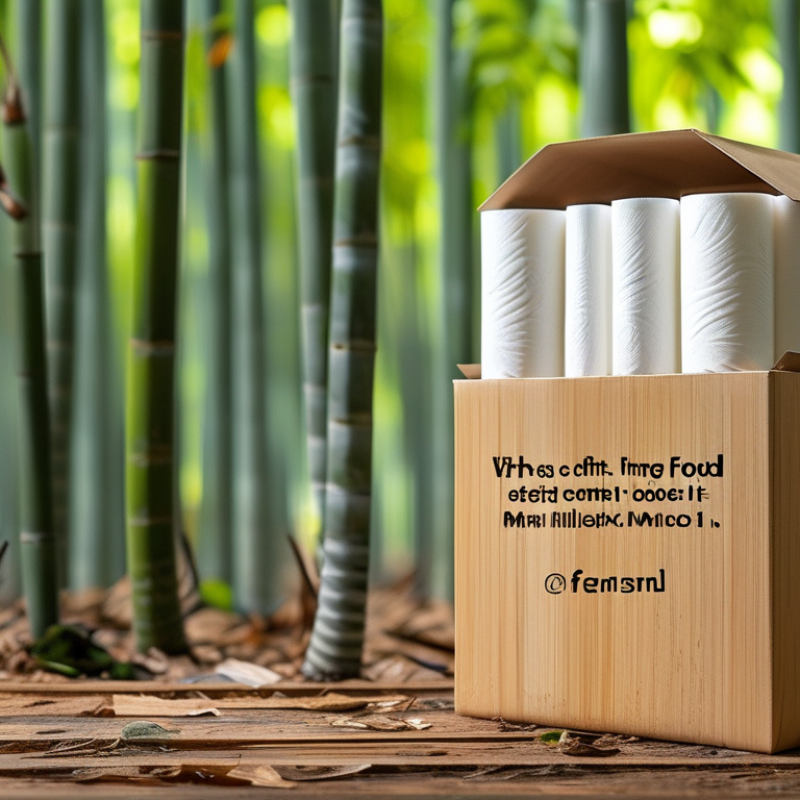
A practical shipment may contain tightly packed rolls, moisture-resistant cartons, and pallet labels showing production dates. Buyers should compare usable sheets per carton, not only the carton price. A cheaper shipment may contain shorter rolls, thinner sheets, or excessive packaging. INBAR’s industry data offers useful context, but product-level evidence remains more reliable.

Why Choose Bulk Bamboo Toilet Paper for Global Buyers?

What is bulk bamboo toilet paper? It is toilet paper made with bamboo-based pulp and purchased in larger carton or pallet quantities for international distribution.

The chart shows a practical bulk-shipment model based on 24 rolls per carton and 48 cartons per pallet. Larger orders increase the number of available rolls while consolidating purchasing, handling, and freight planning into fewer shipments.

How Bamboo Toilet Paper Is Made and Sourced

Bulk bamboo toilet paper begins with carefully selected bamboo, not finished rolls. Suppliers usually harvest mature stalks from managed growing areas. The stalks are cleaned, chipped, and softened before pulping. The pulp is then washed, refined, and formed into thin tissue sheets. Drying controls softness and strength. Small differences matter.

Responsible sourcing requires more than checking a product description. Global buyers should review harvest records, pulp origin, water-use data, and independent test reports. Packaging materials and shipping conditions also affect the product’s total environmental impact. Bamboo grows quickly, but it is not automatically sustainable. Poorly managed cultivation can still damage soil and local habitats.

Tips: Ask for batch-level documentation. Check fiber composition and chemical safety reports. Request samples from different production lots. Compare softness, dust, tear resistance, and roll density. A factory audit can reveal practical details, such as clean storage rooms and moisture control. Do not rely on certificates alone. Their scope and validity need careful review. No supply chain is perfect, and buyers should keep questioning impressive claims.

Key Benefits for International Buyers

For international buyers, bulk bamboo toilet paper can support more responsible purchasing without sacrificing everyday comfort. Bamboo grows quickly and can reduce pressure on slower-growing forest resources, although the environmental outcome depends on farming, processing, and transport practices. Buyers should request clear details about fiber sources, bleaching methods, packaging materials, and wastewater controls.

In procurement reviews, consistent quality matters as much as sustainability claims. Check sheet strength, softness, roll dimensions, core size, and moisture resistance before placing a large order. A small sample may feel excellent, but container-scale production can reveal differences. That is worth testing.

Bulk purchasing can lower unit costs and simplify stock planning for hotels, retailers, offices, and distributors. Larger shipments may also reduce packaging waste per roll. However, shipping distance, customs documentation, pallet design, and storage humidity can change the final cost considerably. International buyers should confirm product specifications, labeling rules, safety documentation, and import requirements in each destination market.

Certification may strengthen credibility, but one certificate does not prove every environmental claim. Verify its scope and validity. Ask for recent test reports when possible. Be careful with vague promises.

Bamboo paper is not automatically the best choice for every market. Some customers may prefer recycled fiber, while others focus mainly on price. A practical purchasing decision compares performance, verified sourcing, total landed cost, and customer expectations. Small oversights become expensive at scale.

Quality, Certification, and Packaging Considerations

Global buyers choose bulk bamboo toilet paper for more than its plant-based image.

Quality must remain stable from the first carton to the last pallet. Look for consistent sheet thickness, reliable softness, clean perforations, and strong roll cores. A practical sample test should include absorbency, dust levels, odor, and roll length. Small differences matter.

Certification requires careful checking.

Buyers should request current certificates, testing reports, and the certification scope. The document should match the actual product, factory, and shipment details. Responsible forestry certification may support material claims, while quality systems can show controlled production. However, a certificate is not proof of every shipment. Lot records and third-party inspections add stronger evidence. Ask difficult questions.

Packaging also affects product quality and total cost.

Inner wrapping should protect rolls from humidity, dust, and handling damage. Outer cartons need clear product information, batch codes, carton counts, and export marks. Pallets should remain stable during long transport, especially in wet seasons. Recycled packaging can reduce material use, but weak cartons may create more waste through crushed goods. That trade-off deserves review. Some purchasing teams focus on price and miss warehouse space, label language, or damaged-roll claims. A pilot order can reveal these problems before larger volumes are committed.

How to Choose a Reliable Global Supplier

Why Choose Bulk Bamboo Toilet Paper for Global Buyers?

How to Choose a Reliable Global Supplier

Bulk bamboo toilet paper can reduce packaging waste and support a steady supply for hotels, retailers, and distributors. Yet the material alone does not prove quality. Global buyers should examine fiber sources, softness, strength, and production consistency. Ask for samples from different batches. A single perfect roll proves very little.

A reliable supplier provides clear product specifications, test reports, and export documents. Check bamboo content, sheet size, ply count, core dimensions, and carton weight. Independent testing can confirm strength, absorbency, and safety requirements in the target market. Factory audits also reveal storage conditions, hygiene controls, and worker practices. Visit the facility when possible. Photos can hide important details.

Communication matters too. Request a written quotation with minimum order quantities, lead times, payment terms, and packaging details. Suppliers should explain how they handle damaged cartons or delayed shipments. Fast replies are useful, but accurate replies matter more. I once focused too heavily on price comparisons. That approach ignored quality variation between batches. Do not repeat that mistake. A trustworthy partner welcomes reasonable questions, admits limitations, and records corrective actions. Before signing, compare samples, documents, production capacity, and references from similar buyers. Global trade is rarely flawless. Clear evidence makes the risks easier to manage.

Why Choose Bulk Bamboo Toilet Paper for Global Buyers? - How to Choose a Reliable Global Supplier

Evaluation Dimension Why It Matters for Global Buyers Typical Bulk Benchmark Recommended Supplier Evidence
Raw Material Bamboo is a rapidly renewable fiber and can reduce dependence on virgin wood pulp when responsibly sourced. Bamboo fiber clearly identified in the product specification; no unexplained mixed-fiber claims. Fiber composition statement, material traceability records, and documentation describing the bamboo supply chain.
Ply and Sheet Quality Ply count and sheet construction affect comfort, strength, customer satisfaction, and product positioning. Common commercial options include 2-ply or 3-ply products, with consistent bonding and clean perforation. Pre-production samples, technical data sheets, and independent checks of sheet count, dimensions, and ply structure.
Basis Weight and GSM GSM helps buyers compare material usage and product consistency across different roll sizes. Many household tissue products fall within approximately 14–20 GSM per ply, depending on softness and strength targets. Laboratory test reports showing GSM tolerance, moisture content, tensile strength, and basis-weight consistency.
Roll Configuration Roll length, sheet count, core size, and roll diameter influence storage, shipping efficiency, and dispenser compatibility. Typical household formats range from about 150 to 400 sheets per roll, depending on sheet size and ply. Approved artwork and packaging specification listing roll length, sheet dimensions, sheet count, core diameter, and carton quantity.
Strength and Dissolvability The product must withstand normal use while dispersing appropriately in wastewater systems. Balanced wet strength, rapid dispersion, and no excessive lint or residue under normal flushing conditions. Tensile-strength results, dispersion testing, flushability information, and samples tested with the buyer’s intended plumbing conditions.
Chemical and Safety Profile Buyers need consistent compliance with destination-market requirements and customer expectations for personal-care products. Clear declaration of bleaching method, dyes, fragrances, lotions, and other added substances. Current safety documentation, restricted-substance declarations, quality-control records, and third-party test results where required.
Environmental Documentation Verified environmental information supports responsible procurement and reduces the risk of unsubstantiated sustainability claims. Recognized third-party certification or auditable documentation for fiber sourcing, manufacturing, and packaging claims. Valid certificates, scope details, audit dates, chain-of-custody records, and product-specific certification coverage.
Packaging and Private Label Packaging affects retail presentation, product protection, recycling requirements, and customs documentation. Recyclable or responsibly sourced packaging options, moisture protection, barcode support, and multilingual labeling capability. Packaging material declaration, dielines, artwork approval process, barcode verification, and pre-shipment packaging samples.
MOQ and Production Capacity Minimum order quantity and available capacity determine whether the supplier fits a trial launch or a large distribution program. MOQ varies by packaging format and customization; buyers should request separate quantities for standard and private-label orders. Written MOQ schedule, monthly capacity statement, production lead time, and capacity reservation terms.
Quality-Control System A documented quality system reduces variation between production batches and helps manage complaints. Incoming-material inspection, in-process checks, final inspection, retained samples, and documented corrective actions. Quality manual, inspection checklist, batch records, calibration records, and a clear nonconformity procedure.
Export and Compliance Readiness Different countries may require specific labeling, packaging, import, and product documentation. Accurate commercial invoice, packing list, product specification, country-of-origin information, and destination-market labeling support. Previous export documentation samples, harmonized tariff classification support, and a designated compliance contact.
Lead Time and Shipment Planning Reliable delivery protects inventory levels and helps buyers coordinate promotions, warehousing, and customs clearance. Lead time should be confirmed separately for sampling, standard production, customized packaging, and peak seasons. Written production schedule, agreed incoterms, shipment booking process, contingency plan, and on-time delivery records.
Total Landed Cost The lowest factory price may not produce the lowest total cost after freight, duties, packaging, inspection, and handling. Compare cost per roll and cost per 100 sheets using the same sheet size, ply, packaging, delivery term, and order quantity. Itemized quotation, freight assumptions, payment terms, tooling charges, inspection fees, and written validity period.
Supplier Communication Fast and accurate communication is essential when specifications, approvals, or shipping schedules change. A documented response process, clear technical contact, and timely handling of sample and complaint requests. Response-time expectations, escalation contacts, meeting records, and evidence of corrective-action follow-up.

Note: Benchmarks are indicative commercial reference ranges. Final specifications, certifications, costs, and compliance requirements should be verified for each product, order quantity, and destination market.

Let's Work Together

The most innovative products come from the most innovative people - and for over 55 years our team has been propelled by curiosity and a steadfast dedication to inventing and creating the best foam formulations for our customers.