Top China Skin Analysis Machine Suppliers for Global Buyers
Choosing among the Top China Skin Analysis Machine Suppliers requires more than comparing prices or polished product photos. Global buyers need evidence, technical clarity, and dependable communication before placing an order. A professional Skin Analysis Machine should produce consistent images, readable reports, and stable performance across different lighting conditions. Small details matter. Check the camera resolution, lighting system, software interface, data storage, and reporting functions. Ask how suppliers test accuracy and maintain product quality.
This introduction explores Chinese suppliers serving clinics, beauty centers, distributors, and professional skincare businesses worldwide. It focuses on practical evaluation rather than unverified rankings. Experienced buyers often request product demonstrations, sample reports, factory information, warranty terms, and after-sales support before making a decision. Certifications may help, but they should be verified for the specific model and intended market. Claims need testing. A machine that looks impressive during a demonstration may perform differently in daily use.
Reliable suppliers should explain installation, staff training, software updates, and replacement-part availability in clear English. They should also respect local privacy, medical, advertising, and import requirements. Skin analysis supports professional consultation, but it should not replace qualified medical diagnosis. This distinction is important. The strongest suppliers combine engineering capability with honest communication and responsive service. Still, no supplier is perfect, and buyers may need to investigate overlooked weaknesses, including language barriers, delayed support, or limited software compatibility. A careful comparison can reduce risk and support a more confident purchasing decision.
Understanding Skin Analysis Machines and Their Applications
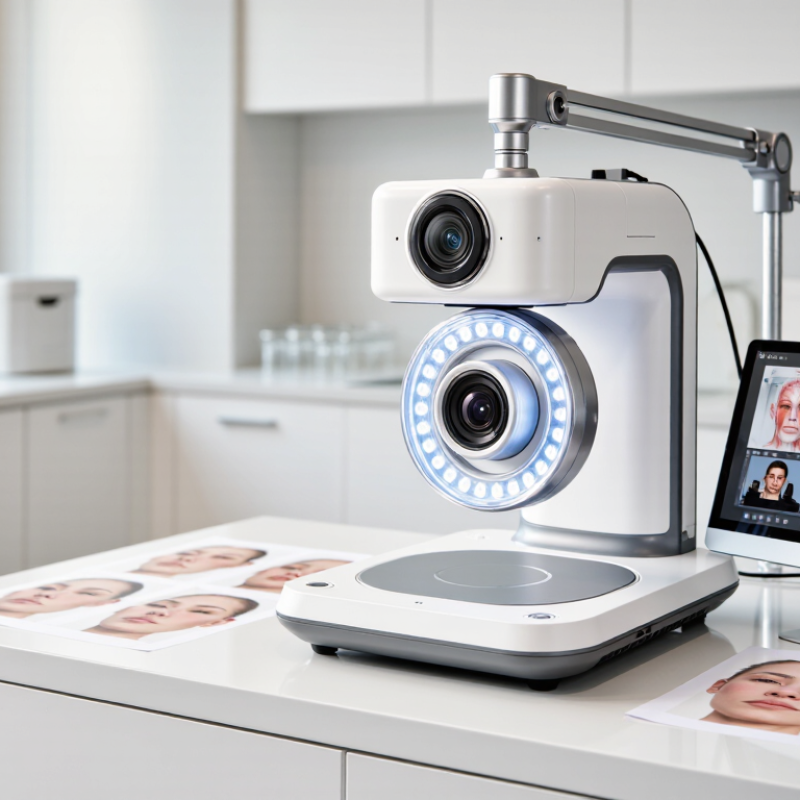
Skin analysis machines use cameras, polarized light, or controlled illumination to examine visible skin features. They may assess pores, wrinkles, pigmentation, redness, oiliness, and moisture patterns. Results can support consultations in clinics, salons, and skincare centers. They do not replace medical diagnosis.
For global buyers, understanding the application matters more than choosing the most expensive system. A useful device should produce consistent images, clear reports, and repeatable measurements. Operators need practical training. Lighting, camera distance, makeup, and skin hydration can influence results. Even a small setup error may change the reading. That weakness deserves attention.
Tips: Test several users before purchase. Compare results under identical conditions. Ask about calibration, software updates, data protection, and service response times. Keep records for quality checks. Do not promise treatment outcomes from a visual scan alone.
In daily practice, analysis machines can help explain a client’s concerns through enlarged images and trend reports. A consultation becomes more concrete when clients see dry areas or uneven tone on screen. However, software scores are not absolute facts. Human judgment remains necessary, especially for sensitive skin or unusual changes. Buyers should review training materials, warranty terms, language support, and local compliance requirements. A short demonstration is useful, but real workplace testing reveals more. Some machines look impressive yet offer limited value after repeated use.
Key Criteria for Evaluating Chinese Skin Analysis Machine Suppliers
Top China Skin Analysis Machine Suppliers for Global Buyers
When evaluating Chinese skin analysis machine suppliers, verify more than product appearance and sales claims. Ask for a factory profile, quality certificates, inspection records, and traceable component information. Confirm whether the device meets requirements in your destination market. Safety documentation should cover electrical performance, software updates, data protection, and user instructions. A reliable supplier explains limitations clearly. That matters more than impressive wording.
Request a live demonstration using different skin tones, lighting conditions, and camera distances. Compare repeated scans from the same person. Results should remain reasonably consistent. Ask how the system measures hydration, pores, pigmentation, or texture. Request sample reports, algorithm explanations, and calibration procedures. Also examine warranty terms, spare-part availability, response times, and remote training. A pilot order can expose packaging problems or unclear software settings. I have found that polished demonstrations sometimes hide practical weaknesses.
Tips: Check three customer references. Test the machine before payment. Record every promised specification. Ask whether data can be exported securely. Avoid selecting the cheapest quotation without comparing service quality. Give extra attention to after-sales support; a delayed replacement can interrupt daily clinic operations. Supplier evaluation is rarely perfect, and even experienced buyers may overlook small workflow issues.
Leading Supplier Types and Product Categories in China
Top China Skin Analysis Machine Suppliers for Global Buyers
Leading Supplier Types and Product Categories in China
China’s skin analysis suppliers generally fall into four groups: OEM factories, ODM developers, specialized manufacturers, and trading distributors. OEM factories produce machines from a buyer’s specifications. ODM developers also provide software, casing design, and user interfaces. Specialized manufacturers usually offer stronger imaging knowledge and technical support. Trading distributors may provide faster quotations, but their factory transparency can be weaker.
Product categories include facial analyzers, scalp analyzers, portable cameras, and multi-spectrum diagnostic systems. Some devices capture pores, pigmentation, redness, hydration, and texture. Others combine ultraviolet, polarized, or cross-polarized lighting. Features differ significantly. A bright screen does not prove measurement accuracy.
MarketsandMarkets projects the artificial intelligence healthcare market to grow from about US$20.9 billion in 2024 to US$148.4 billion by 2029. This growth supports demand for software-assisted analysis. However, algorithm claims require careful testing. Ask suppliers for sample reports, image repeatability data, language options, and export documentation. ISO 13485 certification can indicate a stronger quality system, although it does not guarantee clinical performance.
Grand View Research valued the global skincare products market at approximately US$155.7 billion in 2022. It forecasts a 4.7% compound annual growth rate through 2030. This expanding market encourages more clinics and retailers to purchase analysis equipment. Still, one scan should not be treated as medical truth. Lighting, camera distance, and operator habits affect results. Buyers should request factory videos, calibration procedures, warranty terms, and realistic training records. A polished demonstration can still hide weak after-sales support.
Quality, Certification, Customization, and Export Capabilities
Top China Skin Analysis Machine Suppliers for Global Buyers
China’s skin analysis machine sector serves clinics, salons, retailers, and research teams worldwide. Grand View Research valued the global skincare products market at about US$155.7 billion in 2022. This growth increases demand for measurable consultation tools. However, market demand does not guarantee reliable equipment.
Quality begins with traceable production. Look for ISO 9001 systems, documented calibration, stable lighting, and repeatable imaging results. The ISO Survey 2023 identifies China as the leading country for ISO 9001 certificates, but a certificate alone proves little. Buyers should request the certificate number, audit scope, and matching factory address. Certification must also fit the destination market. Depending on the product and region, suppliers may need CE, UKCA, FCC, or electrical safety test reports. Do not accept generic laboratory files. I have seen attractive reports that covered another model. That mistake is expensive.
Tips: Ask for three sample scans, captured under identical conditions. Compare skin tone rendering, moisture readings, and report consistency. Check whether software supports your language, local units, secure data handling, and remote updates. Export capability also matters. Confirm HS-code support, reinforced packaging, spare parts, installation guidance, and response times before payment. A supplier with strong customization can adjust camera modules, branding, algorithms, and user interfaces. Yet customization may reduce production stability. Request a pilot batch, inspection records, and a written acceptance standard. Real-world testing remains more convincing than sales claims.