


Top 10 Air Bubble Wrap Suppliers for Global Buyers?

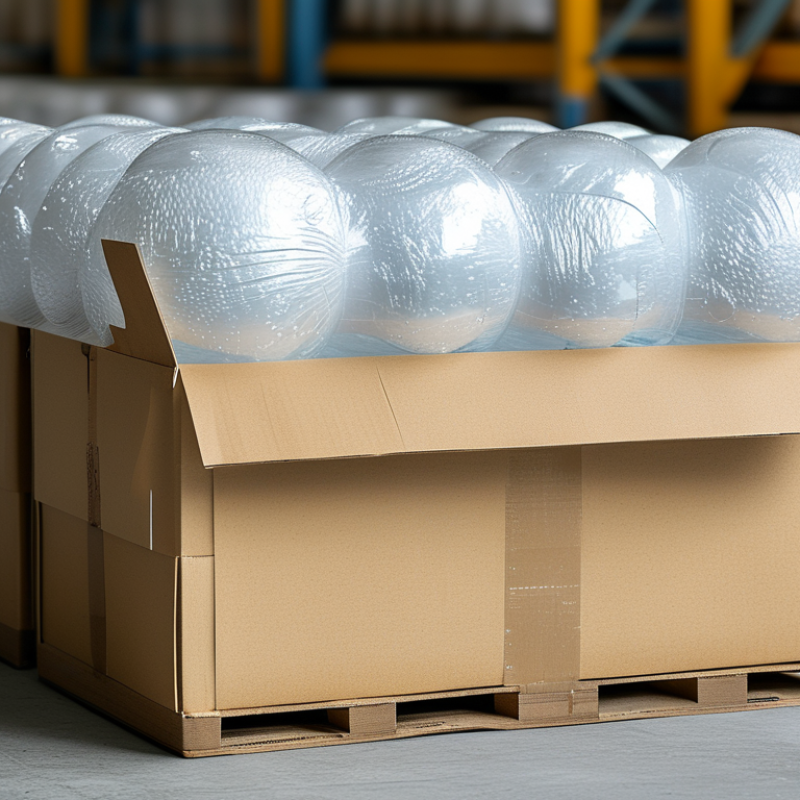
For global buyers, Air Bubble Wrap is more than a lightweight cushioning film. It protects glass bottles, small appliances, furniture edges, and export cartons during repeated handling. The right supplier must provide stable bubbles, clean sealing, consistent roll lengths, and practical documentation. A low unit price means little when crushed rolls increase damage claims.

Industry research supports this broader view. Smithers’ The Future of Global Packaging to 2028 highlights e-commerce growth, material efficiency, and sustainability as major packaging priorities. Grand View Research’s studies of protective packaging also identify logistics expansion and product protection as important market drivers. These reports do not produce one universal supplier ranking. Their market definitions differ. That matters.

This guide compares ten Air Bubble Wrap suppliers serving international buyers. It considers manufacturing scale, product range, export experience, customization, recycled content, and quality controls. It also examines details that buyers often discover late, including core diameter, roll compression, container loading, and moisture protection. Ask for samples.

A reliable supplier should explain film thickness in microns, bubble size, laminate structure, and test methods. ISO 9001 certification can support confidence, but it does not replace product inspection. Buyers should verify certificates, batch records, packaging photos, and delivery performance independently. No supplier is perfect. A promising quotation may still hide inconsistent rolls or unclear sustainability claims.

The ranking is therefore a practical starting point, not a final purchasing decision. Compare landed cost, not only factory price. Small details can decide the result.
Top 10 Air Bubble Wrap Suppliers for Global Buyers?

What Air Bubble Wrap Is and How It Protects Products

Air bubble wrap is a flexible polyethylene film containing sealed air pockets. These pockets create a lightweight cushioning layer around products during handling and transport. When pressure reaches the surface, the air cells compress and absorb part of the impact. This helps reduce scratches, dents, and vibration damage.

Protection depends on more than bubble size. Small bubbles suit smooth items and light surface protection, while larger bubbles provide better cushioning for irregular or heavier products. Film thickness also matters. In practical packing work, I check whether the wrap remains firm after folding around corners. Weak seals can flatten quickly. That assumption needs testing.

Bubble wrap can separate products from dust and minor scuffing, but it is not a complete moisture barrier. For long-distance shipments, a sealed outer bag or suitable carton may be necessary. Buyers should request samples and test them with realistic drop, compression, and vibration conditions. A wrapped glass container may survive a short handling trial yet fail after repeated movement. Do not judge protection by appearance alone.

Reliable suppliers should explain bubble dimensions, film thickness, roll length, material composition, and quality-control procedures. They should also provide consistent samples before large orders. Storage conditions matter too. Excessive heat can weaken plastic film, while poor stacking may crush the bubbles before use. It is useful, but not magic.

Key Factors Global Buyers Should Use to Evaluate Suppliers

Top 10 Air Bubble Wrap Suppliers for Global Buyers

Key Factors Global Buyers Should Use to Evaluate Suppliers

Choosing among the top 10 air bubble wrap suppliers requires more than comparing prices. Product consistency should lead the review. Ask for samples with different bubble sizes, film thicknesses, and roll lengths. Check whether bubbles remain inflated after compression and transport. A reliable supplier should provide batch records, inspection reports, and clear material specifications. Small defects can become expensive when protecting thousands of products.

Production capacity matters too. Confirm monthly output, minimum order quantities, lead times, and backup equipment. Experienced suppliers should explain how they manage seasonal demand and urgent orders. Request evidence of export experience, secure packaging, and accurate shipping documents. Communication is another practical test. Slow replies before an order may signal greater problems later. However, no checklist is perfect. A supplier can meet technical targets and still struggle with scheduling.

Tips: Compare total landed cost, not only the quoted unit price. Include freight, protective packaging, storage, and possible waste. Ask for a pre-production sample and define acceptance standards in writing. Review material traceability and available compliance documents. If recycled content is important, request supporting evidence rather than relying on a verbal promise. Test samples in your actual packing process. Laboratory results help, but real cartons reveal weaknesses. Leave room for improvement; even careful evaluations may miss an issue during peak production.

Top 10 Air Bubble Wrap Suppliers for International Purchasing

Top 10 Air Bubble Wrap Suppliers for International Purchasing

International buyers should assess ten shortlisted suppliers through measurable production and export evidence. Grand View Research estimates the global bubble wrap packaging market reached about USD 3.4 billion in 2023. Its forecast also indicates steady growth through 2030. Demand is rising in electronics, furniture, glassware, and online retail. However, market size alone cannot prove supplier reliability. Ask for factory audit records, monthly capacity, export references, and recent test reports. A supplier with clear documentation is usually safer than one offering only the lowest quote.

Material performance needs close attention. Compare polyethylene thickness, bubble diameter, roll length, tensile strength, and sealing consistency. For international purchasing, request samples packed like real cargo. A 10-meter test roll may reveal weak seams or uneven bubbles. Suppliers should explain recycled-content ratios and packaging methods. Shipping efficiency matters too; compressed rolls can reduce container volume, but excessive compression may damage the film. The Smithers protective packaging outlook identifies sustainability and lightweighting as major industry directions through 2028. Still, recycled film may show different clarity or strength. This part deserves testing, not assumptions. Buyers should also review lead times, replacement policies, pallet standards, and communication records before approving the final supplier list.

Comparing Product Range, Quality, Pricing, and Production Capacity

A useful Top 10 air bubble wrap supplier list should compare more than catalogue size. Product range matters because exporters may need standard rolls, perforated sheets, anti-static film, laminated grades, and custom widths. Smithers’ report, The Future of Packaging: Global Forecasts to 2028, identifies e-commerce and protective packaging as continuing demand drivers. Suppliers with several film structures can support changing shipment profiles without repeated tooling.

Quality must be tested, not assumed. Compare bubble diameter, film thickness, seal strength, recycled content, and performance after compression. ASTM D1596 offers a recognized method for evaluating cushioning materials under impact. In practical purchasing, request samples packed around glassware, electronics, and sharp-edged parts. Small failures become expensive claims. Pricing should include film yield, carton space, freight, and minimum order quantities. Not every low quote is cheap.

Production capacity separates dependable suppliers from attractive sales listings. Ask for monthly output, backup lines, lead-time records, and quality-control procedures. The 2023 U.S. EPA Facts and Figures report states that containers and packaging represented 28.1% of U.S. municipal solid waste generation in 2018, reinforcing the need to review material efficiency and recyclability. A lower-plastic design may reduce waste, but it can lose cushioning performance. I would not rank suppliers by capacity alone; a large factory with inconsistent thickness creates operational risk. Each score should reflect verified samples, recent test reports, and transparent production evidence.

Shipping, Compliance, Customization, and Supplier Selection Tips

Choosing an air bubble wrap supplier requires more than comparing prices. Ask how the material performs during pallet handling, container loading, and last-mile delivery. Request samples with stated bubble size, roll width, thickness, and recycled content. A 1.2-meter roll may reduce seams, but it can be awkward for smaller packing teams.

Shipping details deserve close attention. Confirm roll dimensions, compressed volume, loading plans, and export documents before placing an order. Moisture-resistant packaging can protect rolls during ocean transport. It does not replace proper warehouse storage. Keep materials off concrete floors and away from direct sunlight.

Compliance checks should include product safety data, packaging regulations, labeling needs, and destination-market recycling requirements. Requirements can differ by country and application. Do not accept vague claims such as “eco-friendly.” Ask for test reports, traceable specifications, and a clear change-notification policy. Customization may cover printed film, perforated sheets, antistatic treatment, or special roll lengths. Every option adds cost, lead time, or quality risk. Keep samples from approved production batches.

Supplier selection should also examine communication speed, defect handling, minimum order quantities, and backup capacity. A low unit price may become expensive after short shipments or uneven sealing. I would score suppliers against the same checklist and record evidence, not impressions. Still, the process is not flawless. Samples may perform well while production varies, so staged orders and incoming inspections remain sensible.

Let's Work Together

The most innovative products come from the most innovative people - and for over 55 years our team has been propelled by curiosity and a steadfast dedication to inventing and creating the best foam formulations for our customers.