


How to Choose the Best Sofa Feet for Your Furniture in 2026?
Sofa Feet influence more than a sofa’s appearance. They affect seat height, stability, floor clearance, and how furniture fits a room. A leg that looks right in a product photo may feel awkward under a low, deep couch. Small details matter.
This guide explains how to choose Sofa Feet for different frames, interiors, and daily routines in 2026. It covers materials such as solid wood, metal, and reinforced plastic, along with shape, finish, attachment style, and load capacity. Measure the existing legs before ordering, including their height and mounting hardware. Measure first. Check the sofa frame, too. A screw fitting that suits one model may not fit another. That part is easy to miss.
Floor type should guide your choice. Felt pads can help protect timber or laminate, while broader feet may distribute weight more evenly on softer surfaces. For households with children, pets, or frequent guests, secure installation and stable support deserve more attention than a fashionable finish. Product specifications are useful, but they do not replace checking the actual frame and manufacturer’s guidance. No foot suits every sofa. Even matching the original height may change how the seat feels, so consider comfort after installation. A neat-looking leg can also prove less practical after weeks of cleaning; it is worth thinking beyond the first impression. The best choice balances fit, strength, floor protection, and style—not just price. Careful measurements can prevent a return, though they cannot guarantee a perfect match. Use this guide to compare options realistically and choose feet that work in your room, not only on a screen.
Understanding the Function and Types of Sofa Feet
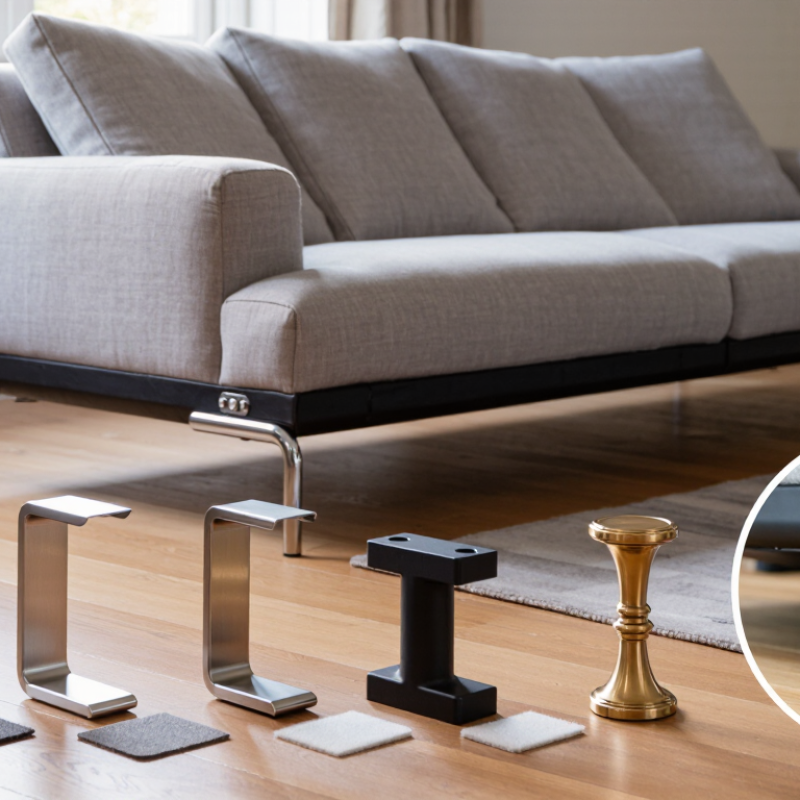
Sofa feet do more than lift the frame. They help distribute weight, set seat height, and keep the upholstery clear of dust and floor moisture. A stable set should sit firmly without rocking, even when someone shifts to one side. Check the joint. Feet attached with suitable plates or bolts are generally easier to inspect and replace than poorly secured fittings. The frame material and attachment method matter as much as the leg’s appearance.
Common styles include tapered wooden legs, chunky block feet, turned legs, metal feet, and concealed supports. Tapered legs give a lighter look, while broad blocks can suit heavier-looking frames. Metal feet often provide a slim profile, but their edges need care on delicate flooring. Hidden glides preserve a low, simple silhouette. Casters help move a sofa, though locking wheels are more secure for everyday seating. Small details matter. Measure the clearance beneath the frame before choosing; a few extra centimeters can change how a sofa fits under a table. Add felt or another suitable floor protector where needed, and check it periodically for wear. A taller leg may look right in a photo yet feel awkward in a low room. Appearance is useful, but stability and fit deserve the final say.
Assessing Sofa Weight, Frame Design, and Support Needs
Before choosing sofa feet, estimate the load they must carry. Add the sofa’s weight to the occupants’ combined weight, then divide by the number of feet. A 90-kilogram sofa carrying three 80-kilogram adults puts about 82.5 kilograms on each of four feet, assuming even distribution. Real floors and frames rarely distribute weight perfectly. A neat calculation can still mislead.
Check the frame before buying. Solid timber rails, reinforced corners, and metal mounting plates can usually accept firmer support than thin panels or damaged joints. Look underneath: note each mounting point’s shape, screw spacing, and clearance from the floor. Feet should meet the frame squarely, not tilt against a rail. Small details matter. If the sofa flexes, creaks, or has loose joints, replacing its feet alone may not fix the underlying weakness.
Look for load information from the foot manufacturer, and compare it with your estimated load per foot; allow extra capacity for uneven loading. There is no single safe rating for every sofa. EN 12520, a European standard for domestic seating, evaluates strength and durability through repeated-load testing, but that does not certify replacement feet for a particular frame. The U.S. EPA’s 2018 materials report estimated 12.1 million tons of furniture and furnishings entered the waste stream that year. Keeping sound furniture in use matters, but an undersized foot can damage the frame and shorten its life.
How to Choose the Best Sofa Feet for Your Furniture in 2026? — Assessing Sofa Weight, Frame Design, and Support Needs
| Sofa and Frame Profile | Typical Considerations | Suitable Foot Style | Support and Installation Guidance | Floor Protection |
|---|---|---|---|---|
| Compact loveseat Light-to-medium frame; often four support points | Check the sofa’s actual weight and the expected number of occupants. A compact frame can still place substantial load on each foot. | Wood or metal feet with a secure threaded stem or mounting plate, matched to the existing attachment. | Compare the feet’s stated load rating with the total intended load. Use the maker’s specified fastener size and embedment; do not attach a new stem directly into weak or damaged material. | Use appropriately sized felt pads on wood, laminate, or tile. Check that pads stay attached and are clean. |
| Three-seat sofa with a timber frame Medium-to-heavy frame; may have four or more feet | Inspect the rails, corner joints, and foot-block locations. Sound attachment points matter as much as the foot material. | Broad-based wood or metal feet; a mounting plate can spread force over a larger area where the frame allows it. | Keep support points under the frame’s structural rails or blocks. If the sofa has a center support, retain it and ensure it contacts a level floor. | Fit non-slip, floor-compatible pads. Avoid narrow hard feet that can concentrate pressure on delicate flooring. |
| Sleeper sofa or sofa bed Heavy frame with moving mechanism | The frame and pull-out mechanism add weight. Loads and stresses can change as the bed is opened or closed. | Sturdy feet and original-style brackets designed for the sofa’s frame and mechanism. | Follow the furniture maker’s replacement instructions. Do not place feet where they interfere with the mechanism; test operation and stability after installation. | Choose pads that remain secure during movement, and check periodically for displacement or wear. |
| Sectional sofa or long sofa Multiple modules; load may be unevenly distributed | Each module and connector can carry different loads. A long span may need intermediate support points. | Feet matched to each module’s attachment and height; use center feet where the original design provides them. | Support each module independently as designed. Keep connectors engaged, and confirm all feet sit firmly on the floor without rocking. | Use pads suited to the floor surface and the sectional’s movement. Recheck pads after rearranging modules. |
| Modern sofa with a metal frame Often low-profile; mounting details vary | Confirm whether the frame uses threaded inserts, welded plates, or another fitting. These systems are not interchangeable by appearance alone. | Metal feet or compatible replacement feet with the exact matching thread or bracket. | Match thread diameter and pitch, or bracket dimensions, to the original fitting. Do not force a mismatched fastener; it can damage the insert or weaken the connection. | Attach soft pads if the feet are hard and the floor requires protection; ensure pads do not reduce stability. |
| Low-profile or mid-century-style sofa Often uses angled or tapered feet | Angled feet create forces at the attachment point that differ from straight vertical feet. | Angled feet with matching mounting plates or brackets, installed in the intended orientation. | Use the original angle and attachment pattern where possible. Verify that all feet are aligned and that the sofa does not rock under normal use. | Use pads that fit the foot shape and stay centered during use. |
| Sofa with a damaged or uncertain frame Loose joints, cracked rails, or stripped fittings | A stronger replacement foot cannot compensate for a failed frame or attachment point. | Do not select feet until the frame and mounting area have been assessed and repaired. | Stop using the sofa if it is unstable. Have the frame or fitting repaired before installing replacement feet. | Protect the floor only after the sofa is structurally stable. |
Selection note: Sofa weights, frame construction, occupant loads, and foot ratings vary by model. Check the furniture maker’s specifications and the foot manufacturer’s stated load rating. Do not assume the load is shared equally across all feet: uneven floors, movement, and frame design can concentrate load on individual supports. If no reliable rating is available, consult a furniture repair professional rather than relying on a visual estimate.
Comparing Sofa Foot Materials, Shapes, and Heights
Choosing sofa feet starts with the frame, floor, and room style. Solid hardwood feels warm and suits many traditional sofas, but its finish can scratch or fade. Steel offers a slim, sturdy profile; check its joints and coating for wear. Aluminum weighs less, while molded plastic costs less, though quality varies. Tapered legs look lighter. Broad or angled feet may spread pressure when attached securely. Shape alone does not guarantee stability.
Height changes more than appearance. Measure from the mounting point to the floor, then check the finished seat height. A few extra centimeters can make standing easier, but may change the sofa’s proportions. Leave clearance for a vacuum or robot cleaner if needed. Adjustable glides can help on uneven floors, while felt pads reduce scuffs on wood. Measure twice. Check the mounting plates, screw size, and frame condition before buying. Some older frames may need a professional inspection—an inconvenient step, but worth considering.
Tips: Set the sofa on a level surface and test for wobble. Confirm fasteners are secure, then recheck after a week of use. If the frame creaks, inspect the attachment instead of tightening blindly.
Checking Fit, Installation, and Floor Protection
Before buying sofa feet, check how they attach, not just how they look. Measure the mounting plate, bolt diameter, thread pitch, and current foot height. If the existing feet use threaded bolts, match the thread carefully; similar-looking bolts may still bind. For screw-on plates, compare hole spacing and screw length. Measure twice. A crooked foot can shift weight onto one corner and strain the frame.
Check the feet’s load rating against the sofa’s weight plus the people and items it will support. Install one foot first, then gently test the sofa for movement before fitting the rest. Keep screws straight, and avoid forcing them into the frame. If the wood feels soft or split, stop and inspect it; longer screws are not automatically safer. A small wobble matters. Even careful measurements can miss a difference between old and new mounting points.
On hardwood or tile, fit felt pads to reduce scratches and noise. Press each pad onto a clean, dry surface, then check that it stays in place when the sofa moves. Rubber pads can help limit slipping, though they may leave marks on some finishes. For carpet, wider feet can spread the load and reduce deep dents. After installation, sit on each end and check for rocking. Recheck the fasteners after a few weeks; furniture can settle.
Sofa Leg Height Conversion Guide
Compare common leg heights in inches with their exact centimeter conversions (1 inch = 2.54 cm). Before choosing replacement feet, check the mounting type and available clearance; use floor protectors sized to the foot’s base.
Matching Sofa Feet to Interior Style and Long-Term Use
How to Choose the Best Sofa Feet for Your Furniture in 2026?
Matching Sofa Feet to Interior Style and Long-Term Use
Sofa feet may be small, but they influence a room’s overall balance. Tapered wooden feet suit mid-century furniture, while rounded or carved shapes can soften traditional rooms. For a cleaner, modern look, simple metal feet often work well. Match the finish to nearby details, such as cabinet handles or lamp bases, rather than trying to coordinate every surface. A perfect match can feel forced.
Think beyond appearance. Check the sofa’s frame, weight, and existing attachment points before choosing replacements. Feet must sit level and support the load evenly; an unstable sofa can strain its joints over time. Measure the fitting and floor clearance, too. Higher feet make vacuuming easier, but they may change the sofa’s proportions or seat height. Check with the furniture maker or a qualified repair professional if the frame or fittings are damaged.
Tips: Place sample finishes beside the sofa in daylight. Test a loose foot for fit before buying a full set. Felt pads can help protect timber floors, but inspect them regularly; they compress and collect grit. A choice I’d reconsider? Very slender feet may look elegant, yet prove less practical on an uneven floor.
Article Source:
Let's Work Together
The most innovative products come from the most innovative people - and for over 55 years our team has been propelled by curiosity and a steadfast dedication to inventing and creating the best foam formulations for our customers.