


How to Choose the Best Camping Gas Grill?

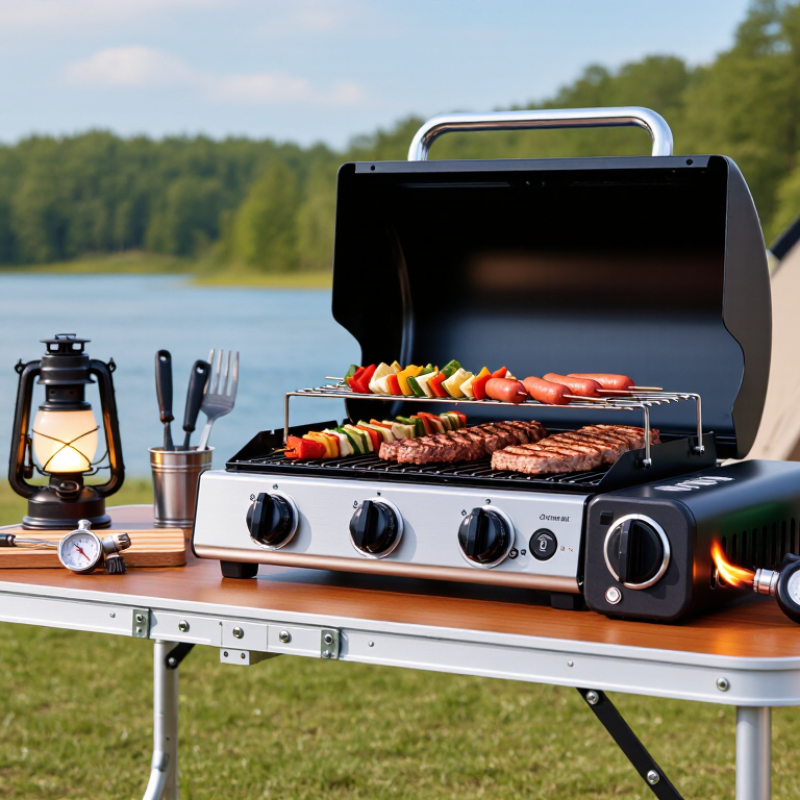
Choosing the right Camping Gas Grill can make outdoor cooking easier, safer, and far less frustrating. A compact grill may look ideal in a store, yet perform poorly in cold wind or crowded campsites. Practical testing matters more than attractive photographs.

This guide examines the details that affect real camping meals. It considers heat control, cooking surface size, fuel efficiency, ignition systems, weight, cleaning, and storage. A reliable model should heat evenly and respond quickly when the burner is adjusted. It should also have stable legs, secure connections, and clear manufacturer instructions. These features reduce risks during setup and cooking.

Fuel compatibility deserves close attention. Propane canisters, regulators, and connectors are not always interchangeable. Always follow local campsite rules and the grill manufacturer’s specifications. Never use a grill inside a tent, vehicle, or enclosed shelter. Outdoors only.

Wind changes everything. A grill that performs well in a backyard may struggle beside a windy lake. Strong wind protection can help, but blocked ventilation creates danger. That trade-off is easy to overlook. Price also requires careful judgment. The cheapest option may save money initially, but weak burners or difficult cleaning can become costly annoyances.

There is no perfect grill for every camper. A backpacker may value low weight, while a family may need a broader grate and stronger heat. This comparison focuses on measurable features, practical observations, and sensible safety habits. Some recommendations remain subjective. Personal cooking style still matters.
How to Choose the Best Camping Gas Grill?

Define Your Camping Cooking Needs and Trip Conditions

Choosing the best camping gas grill starts with your actual cooking needs, not the biggest burner rating. The 2024 North American Camping Report recorded 57.8 million camping households in 2023. That scale reflects many trip styles, from short car-camping weekends to longer remote stays.

I once chose a compact grill for a windy lakeside trip and regretted it. The small cooking surface struggled with a pan, vegetables, and two thick steaks. For car camping, measure your usual meal size, cookware, and storage space. A grill with stable legs, a locking lid, and a removable grease tray can matter more than maximum heat. For backpacking, weight, fuel availability, and ignition reliability deserve priority. Test the connection before leaving. Small failures become annoying quickly.

Trip conditions change the decision. Strong wind can reduce heating efficiency, while cold temperatures may affect fuel performance. Look for a broad base and a shielded burner, especially on exposed campsites. Keep the grill on level, nonflammable ground, away from tents and dry grass. The National Fire Protection Association identifies unattended cooking as a leading factor in cooking fires, so convenience should not replace supervision. Food safety also needs planning: USDA guidance recommends 165°F for poultry, 160°F for ground meat, and 145°F for whole cuts with resting time. I still pack a thermometer, although I have occasionally forgotten spare batteries. That is a planning flaw worth correcting.

Compare Fuel Types, Heat Output, and Cooking Performance

Choosing the best camping gas grill starts with understanding fuel types. Propane is convenient, widely available, and heats quickly. It also performs reliably during short cooking sessions. Charcoal can create deeper smoky flavors, but it needs more preparation and produces uneven heat. Wood offers a rustic taste, though controlling its temperature takes practice. Check local campsite rules before selecting any fuel.

Heat output matters, but a higher BTU rating does not guarantee better cooking. A compact grill producing 8,000 to 12,000 BTUs may cook well with an efficient lid and solid heat retention. Wind can steal heat quickly. A sheltered cooking area helps maintain stable temperatures. During testing, I watch how fast the grate heats and how quickly it recovers after opening the lid. That detail often matters more than advertised power.

Cooking performance depends on heat control, grate design, and usable space. Two burners create separate hot and cooler zones, which helps cook chicken beside vegetables. Thick grates hold heat longer, while thinner grates heat faster but may create uneven browning. I once focused too heavily on maximum temperature and overlooked low-heat control. That was a mistake. Simmering sauce became difficult, and delicate food scorched. A reliable grill should offer steady heat, simple ignition, and enough room for the meal you actually prepare outdoors.

Evaluate Size, Weight, Portability, and Setup Features

Choosing a camping gas grill starts with matching its size to your cooking routine. A compact grill suits one or two people and heats quickly. For a family, choose a wider grate with enough space for vegetables and meat. Measure your storage box first. I once bought a grill that fit the car, but not the food containers beside it.

Weight affects every part of the trip. A lightweight model is easier to carry from the parking area to the campsite. However, very light construction may feel unstable during cooking. Look for firm legs, balanced handles, and a lid that does not shift easily. A grill weighing around 10 to 20 pounds often offers a practical balance for car camping. Backpacking requires a different standard. Every extra pound becomes noticeable.

Portability also depends on shape and setup time. Folding legs, locking lids, and a protected control area reduce handling problems. Try opening and closing the grill before buying it. Some systems look simple but require awkward assembly. That detail matters in wind or fading daylight. Setup should be possible on level ground within a few minutes. Place the grill away from tents, dry grass, and crowded walkways. Check the fuel connection, inspect the hose, and follow local fire regulations. I still prefer a slightly heavier grill when its base feels safer. Convenience is useful, but stability deserves more attention than attractive specifications.

How to Choose the Best Camping Gas Grill?

Compare common grill formats by cooking area, packed weight, and typical setup time. Larger cooking surfaces generally increase weight and reduce portability.

Tabletop grills are lightest and fastest to set up, while foldable cart grills provide more cooking space for group meals. Choose a two-burner format when you need a balance between capacity, portability, and convenience.

Check Safety Systems, Durability, and Weather Resistance

How to Choose the Best Camping Gas Grill?

When I inspect a camping gas grill, I start with its safety systems. Look for flame-failure protection, a reliable pressure regulator, and a secure gas connection. These features can reduce risks when wind changes or the flame goes out. The ignition should work without repeated clicking or exposed sparks. Check that the control knobs feel firm and respond smoothly. Do not ignore small faults.

Durability matters more than a polished appearance. Examine the lid hinges, cooking grate, handles, and leg joints for looseness. Strong materials should resist heat, scratches, and repeated packing. A heavy grate usually holds heat better, but it can make transport difficult. I once chose a compact grill that looked practical, then regretted its thin legs on uneven ground. Real use reveals weaknesses.

Weather resistance deserves close attention. Choose a grill with corrosion-resistant surfaces and protected burners. Salt air, damp grass, and sudden rain can damage poorly sealed parts. A fitted cover helps, but it cannot replace proper drying and storage. Wind is another concern. Stable feet, a locking lid, and sensible wind shielding improve control. Avoid operating any gas grill inside a tent, vehicle, or enclosed shelter. Read the manufacturer’s instructions, inspect the hose before each trip, and perform approved leak checks outdoors. Even a well-built grill needs care.

How to Choose the Best Camping Gas Grill? - Check Safety Systems, Durability, and Weather Resistance

Evaluation Dimension What to Check Practical Benchmark Why It Matters Suggested Rating
Flame-Failure Protection Look for a thermocouple or other automatic gas shut-off system that stops fuel flow if the flame goes out. Automatic shut-off should activate without requiring manual intervention after an accidental flame loss. It reduces the risk of unburned gas accumulating around the grill. Essential
Gas Leak Control Inspect the hose, regulator, connectors, valve joints, and cylinder connection for secure fitting and visible damage. Connections should remain stable during setup, and leak testing should produce no bubbles when a soapy-water solution is applied to pressurized joints. A damaged or loose connection can allow combustible gas to escape. Essential
Pressure Regulation Confirm that the appliance uses the correct regulator for the specified fuel type and cylinder connection. The regulator and fuel specifications should be clearly marked in the manual or on the appliance. Correct pressure supports stable combustion and helps prevent over-firing. Essential
Ignition System Check whether the grill has a reliable push-button or electronic igniter and whether manual lighting instructions are provided. The burner should ignite promptly without repeated gas release or dangerous flare-up. Reliable ignition reduces the chance of gas buildup before lighting. High Priority
Wind Protection Examine the lid, burner shield, and side wind guards for effective protection without blocking required ventilation. The flame should remain stable in normal outdoor breezes, while ventilation openings stay unobstructed. Wind can extinguish flames, extend cooking time, and cause uneven heating. High Priority
Burner Material Check for corrosion-resistant burner construction and evenly distributed flame ports. Stainless steel or coated metal generally offers better resistance to heat and moisture than untreated mild steel. The burner is exposed to high temperatures, grease, condensation, and repeated heating cycles. High Priority
Cooking Grate Durability Assess grate thickness, coating quality, resistance to warping, and ease of cleaning. A rigid grate should sit level, support cookware safely, and have no flaking or deep rust before use. A stable grate improves cooking consistency and reduces replacement costs. High Priority
Frame and Hinge Strength Test the lid hinge, legs, handles, latches, and folding parts for looseness or sharp edges. The grill should remain stable when opened and closed, with no excessive movement or distortion. Strong structural parts improve transport safety and long-term usability. High Priority
Heat Resistance Check the condition of the lid, control panel, handles, and nearby surfaces after heating. Handles and controls should remain usable without softening, cracking, or becoming dangerously hot. Heat-resistant components help prevent burns and premature material failure. High Priority
Moisture and Corrosion Resistance Look for stainless steel, protective coatings, sealed controls, and drainage paths for rain or condensation. No exposed bare metal, blistering paint, or trapped water should be present after outdoor use. Moisture accelerates rust and can damage valves, burners, and ignition components. High Priority
Weather Resistance Determine whether the grill is intended for outdoor exposure and whether a fitted cover is available. Store the grill dry and covered; do not treat a weather-resistant finish as permanently waterproof. Sun, rain, salt air, and temperature changes can degrade materials over time. High Priority
Ventilation and Clearance Review the required clearance from tents, vehicles, trees, and combustible surfaces. Use only in an open, well-ventilated outdoor area and follow the minimum clearances in the instructions. Gas combustion produces heat and exhaust gases, including carbon monoxide. Essential
Grease Management Check for a removable grease tray, protected burner area, and accessible cleaning surfaces. Grease should drain into a removable container without accumulating near the burner or fuel connection. Proper grease control lowers flare-up risk and simplifies maintenance. High Priority
Portability and Stability Compare packed size, carrying handles, leg design, and resistance to tipping on level ground. The grill should be easy to carry while remaining stable during cooking and cylinder connection. A portable grill must balance low weight with a secure cooking platform. Useful
Maintenance Support Check whether the manual explains cleaning, storage, leak testing, hose inspection, and replacement parts. Choose a model with clear instructions and accessible components that can be inspected without special tools. Regular inspection helps preserve performance and identify safety problems early. High Priority
Safety note: Use a camping gas grill only outdoors in a well-ventilated area. Follow the appliance instructions, use the specified fuel and regulator, keep combustible materials away, and inspect the grill for leaks or damage before every use.

Balance Essential Features, Maintenance, and Overall Cost

How to Choose the Best Camping Gas Grill?

Balance Essential Features, Maintenance, and Overall Cost

After years of outdoor cooking, I judge a camping gas grill by more than its cooking power. A compact grill should heat evenly, pack securely, and remain stable on uneven ground. Look for a sturdy lid, reliable ignition, and a grate with enough space for your usual meals. A removable grease tray also matters. It reduces cleaning time beside a campsite. Do not chase the highest heat rating. Efficient burners can cook steadily while using less fuel.

Maintenance affects the real cost. Before buying, I inspect how easily the grate, burner openings, and grease tray can be reached. If parts hide behind awkward panels, routine cleaning may become a neglected task. After cooking, I scrape residue while the surface is still warm, then wipe it with a suitable cloth. Never ignore blocked burner ports. Uneven flames can damage food and waste fuel. Storage matters. A dry carrying case or sealed container helps prevent rust, dust, and moisture damage. I once left a grill damp overnight. That small mistake created surface corrosion within weeks.

Compare the purchase price with fuel use, replacement parts, and transport needs. A cheap grill can become expensive when its regulator, grate, or ignition system fails early. Check the care instructions and parts availability before paying. I also measure my vehicle space carefully, because an oversized grill may require extra storage equipment. A modest model that needs fewer repairs can leave more money for fuel and fresh ingredients. My own choice is not always perfect; I sometimes sacrifice cooking space for easier carrying.

Let's Work Together

The most innovative products come from the most innovative people - and for over 55 years our team has been propelled by curiosity and a steadfast dedication to inventing and creating the best foam formulations for our customers.