


How to Choose a Disposable Needle for Global Sourcing?
Choosing a Disposable Needle for global sourcing requires more than comparing prices, gauges, or supplier catalogs. A needle may look identical in a photograph, yet differ in sharpness, bevel geometry, silicone coating, hub fit, and packaging strength. These details affect insertion comfort, leakage risk, sterility, and clinical handling.
Patient-safety expert Dr. Peter Pronovost has said, “We can’t improve what we don’t measure.” This principle fits Disposable Needle procurement closely. Buyers should measure critical features against documented specifications, not informal promises. Confirm the intended application, needle length, gauge, hub material, sterilization method, and syringe compatibility. Review certificates, batch records, shelf-life data, and traceability documents. ISO 7864, ISO 10993, ISO 11135, ISO 11137, and ISO 13485 may be relevant, depending on the product and market. Requirements still vary by destination.
A reliable sourcing process also includes independent sample testing. Inspect the needle under magnification. Check the protective cap, blister seal, label accuracy, and carton compression after transport simulation. Ask whether the supplier can maintain the same performance across repeated production batches. A low unit price can become expensive after rejected samples, delayed customs clearance, or damaged sterile packs.
No checklist is perfect. Supplier audits can miss weak controls, and impressive documents cannot replace physical verification. That is why responsible global sourcing combines technical review, regulatory evaluation, transparent communication, and controlled pilot orders. The right Disposable Needle is not simply available. It is consistently suitable, traceable, and dependable in the conditions where professionals will use it.
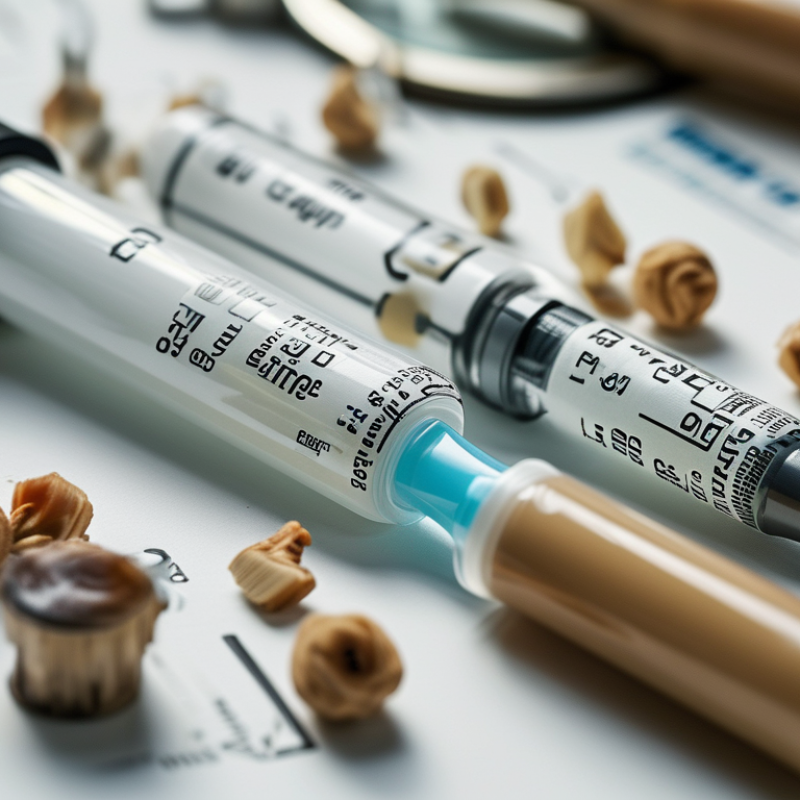
Understanding Disposable Needle Types and Intended Applications
Choosing a disposable needle starts with its intended application, not its lowest quoted price. A hypodermic needle suits routine injections, while insulin needles use finer gauges and shorter lengths. Blood-collection needles often require compatible holders and vacuum tubes. Biopsy needles need different geometry, rigidity, and tissue access.
Gauge affects flow, comfort, and procedure time. Length must match the injection route and patient anatomy. Fit matters. A luer-lock connection can reduce accidental separation, but compatibility still requires verification. Safety-engineered needles add shielding or retraction features after use. They may increase unit cost, yet they can support safer handling and reduce exposure risks.
WHO estimates that about 16 billion injections occur worldwide each year, with most used for therapeutic purposes. This scale makes consistent specifications important.
A practical sourcing review should check sterility validation, packaging integrity, expiry dates, lot traceability, and performance testing. ISO 7864 covers requirements for sterile, single-use hypodermic needles. Destination-market documentation also matters. Procurement teams should request technical files, certificates, and sample testing before approval.
Do not guess. A neat specification sheet can still hide poor hub fit or difficult penetration. In my view, this is where sourcing decisions often become too optimistic.
Needle selection should reflect the procedure, trained user, and healthcare setting. WHO guidance on safety-engineered syringes supports risk reduction where sharps exposure is possible. Yet no needle design replaces correct disposal and staff training.
Defining Safety, Sterility, and Performance Requirements
How to Choose a Disposable Needle for Global Sourcing?
Safety, sterility, and performance should guide every disposable needle decision. Define the clinical purpose before comparing suppliers. Specify needle gauge, length, bevel design, hub fit, and intended tissue depth. A small mismatch can affect handling, penetration, or patient comfort. Materials must be documented, including stainless steel grade and adhesive composition. Check whether the needle remains secure during normal use. Performance claims should come from testing, not attractive photographs.
Sterility needs equal attention. Ask for the sterilization method, validation records, packaging specifications, and expiration basis. Review bioburden controls and lot traceability. Packaging should protect the needle from moisture, puncture, and seal failure during transport. Certificates alone are not enough. Independent verification may reveal gaps that routine supplier documents miss. No checklist is perfect. Even experienced teams can overlook storage conditions or regional labeling requirements.
Tips: Build a requirement sheet before requesting quotations. Compare samples under realistic handling conditions. Inspect the hub, cap, needle tip, and package seal. Record findings by lot. Request corrective-action evidence when results differ. Confirm that manufacturing controls support the destination market’s applicable standards. A lower price may hide weaker inspection, inconsistent dimensions, or limited traceability. Ask difficult questions early. It saves time later.
Comparing Materials, Sizes, Designs, and Packaging Options
Choosing a disposable needle for global sourcing requires more than comparing unit prices. The World Health Organization reports that about 16 billion injections are given worldwide each year. Small design decisions therefore affect large patient populations.
Medical-grade stainless steel is common for the cannula because it offers strength and corrosion resistance. Polypropylene hubs reduce weight and support consistent assembly. Latex-free components can simplify allergy-risk management. Check biocompatibility evidence against ISO 10993. Verify sterility and package performance against ISO 11135, ISO 11137, or ISO 17665, depending on the sterilization method. Gauge and length must match the intended procedure. A 25G, 25 mm needle feels very different from a 21G, 38 mm model. Bevel angle, sharpness, lubrication, and hub fit also influence insertion comfort and leakage control. Specifications alone can mislead.
Tips: Request samples from multiple production lots. Measure outer diameter, length, and connector fit. Inspect the bevel under magnification. Ask for sterilization records, shelf-life data, and lot-level traceability. Packaging deserves equal attention. Individual blister packs provide strong visibility and protection, while peel pouches may improve opening speed. Check seal strength, moisture resistance, carton compression, and labeling space for each destination market. ISO 11607 provides a useful framework for sterile barrier packaging. WHO guidance also emphasizes single-use devices and safe disposal systems. That part is easy to overlook. I once saw a low-cost package fail during humid transport; the needle remained sterile, but the label became unreadable. A cheaper option was not truly cheaper.
How to Choose a Disposable Needle for Global Sourcing? - Comparing Materials, Sizes, Designs, and Packaging Options
| Category | Common Option | Typical Specification | Key Advantages | Sourcing and Quality Considerations |
|---|---|---|---|---|
| Cannula Material | Austenitic stainless steel | Common grades include 304 or 316L; medical-grade tubing is typically cold-drawn and precision-finished. | High strength, corrosion resistance, reliable sharpness, and compatibility with common sterilization processes. | Request material certificates, dimensional tolerances, surface-finish data, and evidence of compliance with applicable needle-tubing requirements such as ISO 9626. |
| Hub Material | Polypropylene or polycarbonate | Color-coded molded hub with a standard luer connection where applicable. | Lightweight, moldable, and suitable for visual identification of needle gauge. | Confirm resin grade, dimensional compatibility, bond strength, leakage performance, and biocompatibility evaluation under ISO 10993 where required. |
| Needle Gauge | 18G to 30G | Approximate outside diameters: 18G = 1.20 mm, 21G = 0.80 mm, 23G = 0.60 mm, 25G = 0.50 mm, 27G = 0.40 mm, 30G = 0.30 mm. | Allows a balance between flow rate, penetration force, and intended procedure requirements. | Gauge conventions can vary slightly by specification; define outside diameter, inside diameter, wall type, and tolerance rather than relying on gauge alone. |
| Needle Length | 13 mm, 25 mm, or 38 mm | Common nominal lengths are 1/2 inch, 1 inch, and 1 1/2 inches; custom lengths may also be available. | Supports different access depths and application requirements. | Specify usable cannula length, hub reference point, tolerance, and measurement method. Confirm that the protective cap does not interfere with packaging dimensions. |
| Bevel Design | Regular bevel, short bevel, or multi-facet bevel | Bevel geometry is selected according to penetration characteristics, flow needs, and intended use. | Can influence penetration force, cutting performance, fluid flow, and user handling. | Define bevel angle, facet count, tip symmetry, burr limits, and microscopic inspection criteria. Request penetration-force and tip-quality test records when relevant. |
| Wall Construction | Regular-wall or thin-wall tubing | Thin-wall designs provide a larger internal diameter at the same outside diameter. | May improve flow while maintaining a comparatively small external diameter. | Check resistance to bending, occlusion, dimensional consistency, and compatibility with the selected application. Do not compare flow performance by gauge alone. |
| Lubrication | Medical-grade silicone lubricant | Applied in a controlled quantity to reduce friction during insertion. | Can reduce insertion resistance and support smoother handling. | Specify lubricant type, application range, visible residue limits, and compatibility with the intended use. Excess lubricant may affect downstream processes or testing. |
| Safety Design | Standard needle or safety-engineered needle | Safety versions may include a hinged shield, sliding shield, or other mechanism intended to reduce needlestick exposure. | May provide additional protection during or after use when correctly activated. | Evaluate activation reliability, one-handed operation, visibility of the tip, accidental re-opening risk, and compliance with destination-market safety requirements. |
| Primary Packaging | Individual blister or peelable pouch | A sealed sterile barrier typically uses medical-grade paper, coated film, or thermoformed plastic with a lidding material. | Supports individual presentation, contamination control, traceability, and aseptic opening. | Check seal strength, seal width, visual defects, package integrity after sterilization, aging performance, and conformity with ISO 11607 principles. |
| Secondary Packaging | Carton with protective inner tray or bag | Common configurations include 50 or 100 individually packaged units per carton, subject to buyer requirements. | Improves transport protection, warehouse handling, and inventory counting. | Define carton quantity, case dimensions, stacking limits, humidity protection, pallet configuration, and barcode or labeling requirements. |
| Sterilization Method | Ethylene oxide, gamma irradiation, or electron beam | The selected method depends on product materials, packaging construction, process capability, and market requirements. | Provides validated sterilization options for finished, packaged products. | Request sterilization validation and routine release records. For ethylene oxide, review residual limits and aeration controls; for radiation, review dose mapping and material compatibility. |
| Labeling and Traceability | Lot-controlled label with size, length, sterility, and expiry information | Labels commonly identify gauge, length, quantity, lot or batch number, manufacturing date, expiry date, and sterile status where applicable. | Supports stock control, complaint investigation, and product recall management. | Confirm language, symbols, UDI or local identification rules, barcode format, label durability, and alignment with the destination market. |
| Pre-Shipment Verification | Document review plus sampling inspection | Typical checks include dimensions, hub fit, bevel quality, packaging integrity, labeling, sterility documentation, and carton quantity. | Reduces the risk of receiving nonconforming or incorrectly labeled goods. | Agree on acceptance criteria, sampling plans, change-control procedures, certificate requirements, and retention samples before placing a purchase order. |
Note: Actual specifications, regulatory obligations, and labeling requirements should be confirmed for the intended clinical or laboratory application and destination market.
Evaluating Global Suppliers, Certifications, and Manufacturing Quality
How to Choose a Disposable Needle for Global Sourcing?
Choosing a disposable needle for global sourcing requires more than comparing unit prices. Supplier qualification should begin with documented device experience, stable production capacity, and transparent communication. Ask for the manufacturing site, process flow, and recent quality records. A polished website proves little. Small details matter. Confirm needle gauge, length, hub fit, bevel geometry, packaging, and intended sterilization method. Samples should match the proposed production line, not a laboratory prototype.
Certifications need careful checking. Request current ISO 13485 certification, its scope, issuing body, and expiry date. Review applicable biocompatibility evidence, sterilization validation, and packaging integrity studies. Market access documents differ by destination, so a certificate accepted in one region may not satisfy another. Check the supplier’s regulatory support before signing. Audit the factory. Also verify whether an audit report covers the exact site and product family. Rushed sourcing often fails here.
Manufacturing quality becomes visible through daily controls. Look for incoming material inspection, magnified or automated checks, clean assembly areas, and lot-level traceability. Ask how the supplier handles bent cannulas, blocked lumens, damaged seals, and customer complaints. Review sample retention and recall procedures. Independent pre-shipment inspection can expose gaps, but it cannot replace process audits. Compare three production lots, not one. One successful lot can mislead. Some suppliers may resist sharing raw data; that hesitation deserves a documented explanation and a second review. Keep evidence current.
How to Choose a Disposable Needle for Global Sourcing?
Supplier evaluation should combine regulatory certifications, risk management, sterilization validation, biocompatibility evidence, packaging integrity, and manufacturing controls. The weighted criteria below represent a practical sourcing scorecard for comparing qualified suppliers without using company or brand data.
Interpretation: A supplier should be able to provide objective records for each category, including a valid ISO 13485 quality system certificate, risk files aligned with ISO 14971, applicable ISO 10993 biological evaluation, validated sterilization, compliant labeling, and documented process controls.
Reviewing Costs, Logistics, Regulations, and Supply Continuity
How to Choose a Disposable Needle for Global Sourcing?
Selecting a disposable needle for global sourcing requires more than comparing unit prices. I have seen low quotes become expensive after freight, inspection, customs handling, and rejected lots. Calculate total landed cost, including sterile packaging, insurance, duties, storage, and quality testing. A slightly higher price may be safer when documentation and delivery performance are consistent. Ask suppliers for production capacity, lead times, minimum order quantities, and recent batch records. Do not rely only on a polished quotation.
Regulatory requirements differ by destination. Confirm the device classification, registration pathway, labeling language, sterilization evidence, and traceability expectations before placing an order. Review certificates through independent checks, not copied files. The supplier should provide lot numbers, expiry dates, material specifications, and a clear complaint procedure. Packaging must protect needle sterility during long transport, including humid ports and repeated handling. Regulations can change. Keep reviewing them.
Tips: Request samples from multiple production lots. Test fit, sharpness, packaging integrity, and sterility documentation. Audit critical manufacturing steps when possible. Establish written change-control rules for materials, machinery, and sterilization processes. For continuity, qualify a secondary source before an emergency occurs. Hold carefully calculated safety stock and monitor supplier capacity each quarter. Forecasts are imperfect, especially during seasonal demand. My own planning has sometimes underestimated port delays, so a small buffer can prevent a costly interruption.
Article Source:
Let's Work Together
The most innovative products come from the most innovative people - and for over 55 years our team has been propelled by curiosity and a steadfast dedication to inventing and creating the best foam formulations for our customers.