


How to Choose the Best Camping Grill for Your Needs

Choosing a camping grill is less about buying the biggest model and more about matching it to your trips. A quiet lakeside weekend has different needs from a family campsite with several hungry people. Steven Raichlen, a barbecue author and live-fire cooking expert, offers a useful perspective. A paraphrased takeaway from his live-fire guidance is: “Choose your cooking setup to suit the food, fuel, and conditions.” That is a principle, not a direct quotation. It points to the choices that matter: grill size, fuel type, portability, heat control, and cleanup.

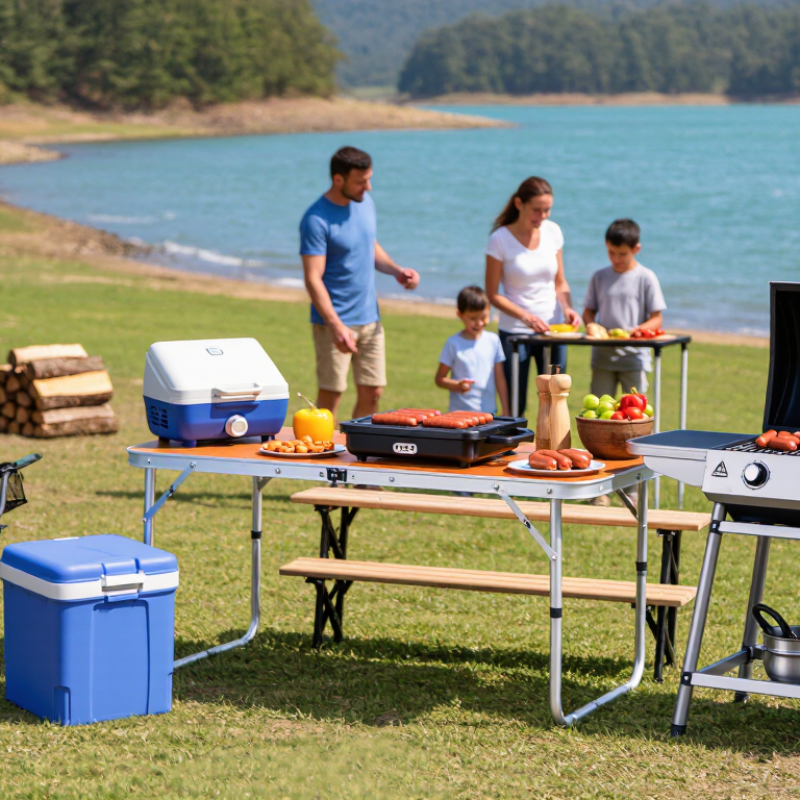
Picture the details. You may be balancing a small grill on a picnic table, cooking sausages while the wind shifts, then packing everything into a crowded trunk. Weight and folding legs can matter as much as cooking power. So can a stable lid, an easy-to-clean grate, and enough space to prepare dinner without constant batches. Small details count.

This guide will help you compare portable gas, charcoal, and other common camping grill styles. It will also explain how cooking capacity, materials, safety features, and maintenance affect real use. Some trade-offs are unavoidable. A compact grill saves space, but may cook fewer servings at once. A larger unit offers room, yet can feel cumbersome after a long drive. The best choice depends on where you camp, what you cook, and how much gear you want to carry. Consider your habits honestly; it is easy to overestimate how often you will use a feature. Find the practical balance.
How to Choose the Best Camping Grill for Your Needs

Identify Your Camping Style and Cooking Needs

Start with how you camp, not with the grill’s feature list. If you drive to a campsite and cook for four people, weight may matter less than a wide, stable cooking surface. Picture your usual meal: a pan of eggs at breakfast, vegetables beside dinner, or food for a group. That matters. A compact grill can feel cramped when several dishes need heat at once.

For hiking trips, every pound and packed inch counts. A small, simple cooker may suit one-pot meals better than a larger grill you rarely want to carry. Think about fuel availability, too, and check campsite rules and current fire restrictions before choosing a cooking method. Wind can make outdoor cooking frustrating, so a stable design and a sheltered, well-ventilated cooking spot are useful. Keep it simple. Cleanup deserves a place in your decision: greasy parts are less appealing when water is scarce. It is easy to overestimate how often you will grill elaborate meals; I’d match the setup to what you genuinely cook, even if that means giving up a tempting extra feature.

Compare Grill Types, Fuel Sources, and Portability

Camping grills differ in cooking style, setup time, and how much gear they demand. Foldable charcoal grills offer smoky flavor and simple construction, but they need time to heat and produce ash. Compact gas grills usually start quickly and make temperature adjustments easier. Their fuel canisters add weight, though, and may need separate packing. Wood-burning grills can reduce fuel carried on some trips, but finding dry wood is not guaranteed.

Fuel choice affects both meals and cleanup. Charcoal suits cooks who enjoy steady heat for burgers or vegetables, provided they allow time for coals to settle. Gas works well for quick breakfasts and controlled cooking, especially when wind is manageable. Wood adds a distinct flavor, but flames can be less predictable. Check campsite rules before choosing a fuel; restrictions can vary by location and season. Not always convenient.

Portability means more than a low number on a product label. Check the packed dimensions, handle, leg stability, and space needed for fuel. A grill that fits beside a cooler may be easier to use than a lighter model with awkward parts. That matters. Think about the walk from the car, too: a short campsite path feels different from a rough trail. It is easy to focus on cooking power and overlook cleaning; a removable ash tray or grease cup can save time at camp. Let the grill cool fully before packing it.

Assess Cooking Capacity, Heat Control, and Durability

Cooking capacity is about usable space, not the number of servings printed on a package. Measure the grill surface against the pans and food you actually bring. A compact grate may handle two burgers but leave no room for vegetables. That gets awkward fast. For a group, allow space to move food away from the hottest area rather than crowding every inch.

Heat control matters when dinner includes more than one cooking task. Look for adjustable burners or vents, and check whether the cooking surface has distinct hot and cooler zones. A quick test at home can help: heat the grill, then note how evenly it browns a piece of bread. Wind can change performance outdoors, though, so that test is only a starting point. I might be overthinking this, but easy control often saves more effort than extra power.

Durability shows in the details. Hinges should open smoothly, legs should feel stable on firm ground, and the grate should resist bending under ordinary cookware. Stainless or coated parts may tolerate moisture better, but they still need cleaning and dry storage. Check how the grill packs, too; a sturdy model that is difficult to carry may stay in the garage. Little compromises add up.

How to Choose the Best Camping Grill for Your Needs

Compare common camping grill styles across cooking capacity, heat control, and durability. Scores are illustrative ratings on a 1–5 scale, not standardized product-test results.

Choose a grill with enough cooking space for your group, heat control suited to the foods you cook, and sturdy construction for frequent transport and outdoor use. Actual performance varies by model and conditions.

Review Safety, Setup, Cleaning, and Maintenance Requirements

A camping grill should match your campsite, not just your menu. Check its packed size, weight, fuel type, and setup steps before buying. Choose a level, steady design with secure legs and clear heat controls. Look for a safety certification from a recognized testing organization, and read the manual before your first trip. The National Fire Protection Association reported an average of 10,600 home fires involving grills, hibachis, or barbecues each year from 2014 to 2018. That figure covers home fires, not campsite incidents, but it underscores the value of safe placement and careful setup. Keep the grill outdoors, away from tents, dry leaves, and overhanging branches. Never rush setup.

Cleaning needs matter, too. Removable grates and a simple grease tray are easier to clean at a campsite than narrow, awkward parts. Let the grill cool fully, then clear food scraps and grease before packing it away. Grease left behind can attract animals and make the next cooking session smoky. Check hoses, valves, latches, and legs for cracks or looseness before each trip. Store fuel as directed by the manufacturer, separate from heat and food. I have learned that a tiny loose fastener can become a frustrating problem far from home. Carry a small brush and the correct tool, but avoid improvising repairs. If a part looks damaged, stop using the grill until it is repaired or replaced.

How to Choose the Best Camping Grill for Your Needs — Safety, Setup, Cleaning, and Maintenance

Grill Type Fuel and Cooking Style Best Suited For Setup Requirements Key Safety Considerations Cleaning Requirements Routine Maintenance Main Trade-Offs
Portable propane grill Uses a refillable propane cylinder or a compatible disposable cylinder; provides adjustable direct heat. Campers who want quick ignition, adjustable temperature, and relatively simple cooking. Place on a stable, level, noncombustible surface. Connect the fuel supply according to the grill instructions and allow clear space around the appliance. Use outdoors only, never inside a tent, vehicle, or enclosed shelter. Check connections for leaks with soapy water before use; bubbles indicate a leak. Keep the cylinder upright and away from heat. After the grill cools, brush the cooking grate and empty the grease tray. Wash removable parts as directed and keep the burner openings clear. Inspect the hose, regulator, seals, and burner for damage or blockage before trips. Store cylinders as directed and disconnect them for transport if required by the instructions. Convenient and controllable, but requires carrying fuel and checking that the cylinder connection is compatible.
Portable charcoal grill Uses charcoal briquettes or lump charcoal; cooks with radiant heat and can add smoky flavor. Campers who value charcoal flavor and do not mind a longer lighting and cooling process. Set up on a stable, noncombustible surface. Allow time for the coals to ignite and for the grill to cool completely after cooking. Use outdoors only. Keep hot coals away from tents, dry vegetation, and other combustibles. Do not leave the fire unattended or dispose of ashes until they are fully cold; follow local fire restrictions. When fully cool, remove ash and brush the grate. Clean accumulated grease from the bowl and vents to reduce flare-ups and airflow problems. Check the grill body, legs, handles, vents, and cooking grate for corrosion, looseness, or damage. Keep vents clear and store the grill dry. Does not need a gas connection, but produces ash, takes longer to manage, and may be prohibited during fire restrictions.
Folding camp grill with grate Typically uses a wood or charcoal fire beneath a raised cooking grate. Campers who want a simple, packable cooking surface and are camping where open fires are permitted. Unfold and lock the legs or frame on firm, level ground. Position the grate over an approved fire area and ensure the frame is stable before cooking. Use only where campfires are allowed. Keep flames and embers contained, maintain a safe distance from combustible materials, and never leave the fire unattended. Follow site-specific fire rules. Let the grate cool, then scrape or brush off food residue. Remove ash from the fire area only when it is fully cold and disposal is permitted. Inspect hinges, locking parts, feet, and grate welds. Remove rust and food residue, then dry thoroughly before storage. Lightweight and straightforward, but heat control is limited and cooking depends on firewood or charcoal and local fire rules.
Two-burner camp stove with grill accessory Usually propane-powered; one or both burners may be used with a compatible griddle or grill grate. Groups preparing several foods or campers who want both cookware and grilling options. Set the stove on a firm, level surface and use only accessories approved for that stove. Check that cookware or a grill plate sits securely. Use outdoors only. Keep the stove clear of windbreaks or objects that could trap heat unless the instructions permit them. Check fuel connections for leaks and keep flames away from loose clothing. Allow the stove and accessory to cool. Clean the grate or griddle, wipe food spills from the cooktop, and empty any removable grease tray. Inspect fuel hoses, connectors, burner ports, and ignition components. Keep burner ports free of debris and protect the stove from moisture during storage. Versatile for group meals, but generally bulkier than a small grill and may require more setup space.
Portable pellet grill Burns wood pellets; many models use electricity to power the controller, auger, and fan. Campers who prioritize steady, indirect heat and smoky flavor and have access to the required power source. Place on a level, heat-resistant surface. Load the specified pellets and connect the required power supply; follow the model’s startup and shutdown sequence. Use outdoors only and keep the exhaust and air intakes unobstructed. Protect the power connection from water, and let the unit cool before handling or packing it. After cooling, remove ash from the fire pot and clean grease from the drip tray and cooking surfaces. Follow the instructions for any removable parts. Keep the hopper and pellets dry. Inspect the power cord and components, and clear ash regularly to support reliable airflow and ignition. Offers controlled, smoky cooking, but can be heavier and depends on electricity as well as dry pellets.

Choosing tip: Check campsite fire rules, fuel restrictions, and the grill’s instructions before departure. All fuel-burning grills should be used outdoors in a well-ventilated area, on a stable surface, and away from tents and other enclosed spaces.

Match Grill Features to Your Budget and Trip Conditions

Match grill features to your budget and trip conditions, not to the longest list of extras. For a short drive to a roomy campsite, a heavier grill with a broad cooking surface may be practical. If you hike to camp, prioritize low weight, compact size, and a secure lid. Check the grill’s fuel requirements and whether your trip setup can support them. A low price can be appealing, but flimsy hinges or difficult cleaning may become annoying after one muddy weekend.

Tips: Compare packed weight, cooking area, and cleanup needs before buying. Bring a tape measure to check whether the grill fits your vehicle or storage bin. Keep it simple. Extra burners are useful only if you will use them.

Consider how many people you usually feed. A small grate can cook enough for two, but cooking several meals in batches takes time. Wind can also affect heat, so a stable design and a sheltered, level cooking spot matter. Follow the grill’s instructions, use it only in an appropriate outdoor setting, and let it cool before packing. There is no perfect choice for every trip; I might still choose a lighter grill and accept slower cooking. That trade-off is easier to judge when you picture a real evening at camp, with limited space and hungry people waiting.

Let's Work Together

The most innovative products come from the most innovative people - and for over 55 years our team has been propelled by curiosity and a steadfast dedication to inventing and creating the best foam formulations for our customers.