




2026 Top Facial Analysis Machine Types for Global Buyers
The 2026 market is moving beyond basic selfie cameras. A Facial Analysis Machine can now combine RGB imaging, 3D depth sensing, multispectral light, and artificial intelligence. These systems measure visible indicators such as texture, pores, pigmentation, redness, and facial symmetry. Some models also track changes across repeated visits. The image is no longer just a photograph. It becomes a structured customer record.
Industry data supports this shift. IDC’s 2024 Worldwide AI and Generative AI Spending Guide forecasts global AI spending will reach approximately US$632 billion by 2028. Grand View Research’s 2024 skin care devices analysis also identifies connected imaging and AI-assisted assessment as important growth directions. These figures do not guarantee sales for every device. They do show stronger demand for measurable, software-supported beauty services. That distinction matters.
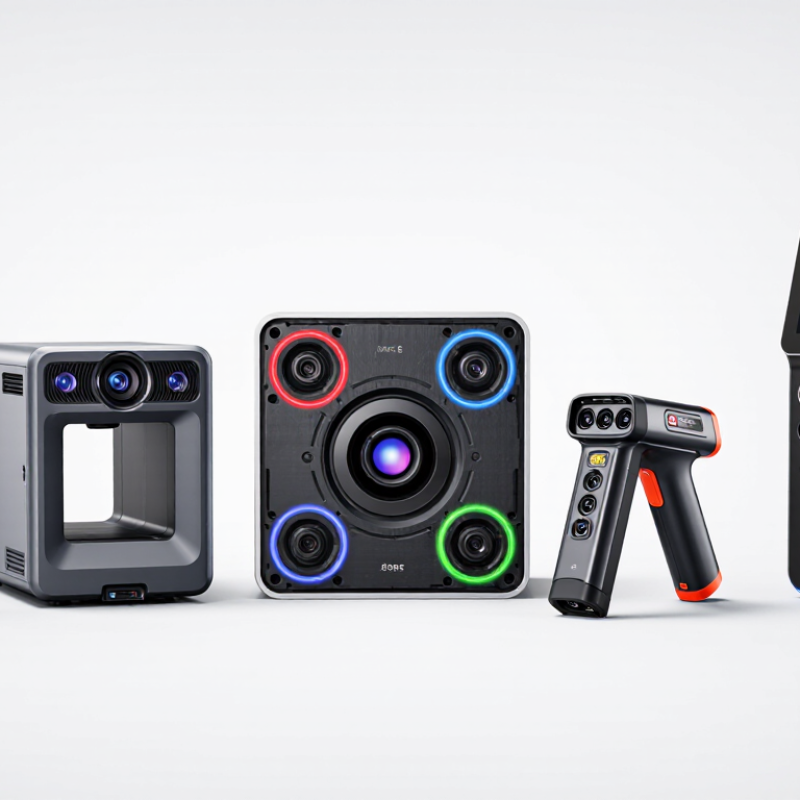
This guide compares the leading machine types for global buyers, including 2D camera systems, 3D structured-light scanners, multispectral analyzers, portable handheld units, and cloud-connected professional kiosks. Each type has practical trade-offs. A 2D system may be affordable and easy to train staff on. A multispectral model can reveal details that ordinary lighting misses. A 3D scanner may provide richer contours, but installation and calibration require more discipline. No universal winner exists. Even experienced buyers can overvalue impressive screens and undervalue data security, lighting consistency, software updates, and after-sales support. Buyers should verify repeatability, privacy controls, warranty terms, and regional compliance before purchase. These machines support cosmetic consultation, not medical diagnosis. Results can vary with skin tone, humidity, makeup, camera angle, and operator technique. That limitation is easy to overlook. It deserves attention.
What Is a Facial Analysis Machine and How Does It Work?
2026 Top Facial Analysis Machine Types for Global Buyers
A facial analysis machine captures detailed images of the skin and converts visible features into measurable data. Most systems use controlled lighting, high-resolution cameras, and image-processing software. Some models add polarized, ultraviolet, or multi-spectral imaging to reveal texture, pores, pigmentation, oiliness, and redness.
The workflow is straightforward. A user sits still while the device records several facial angles. Software then compares the images with reference patterns and produces visual maps or numerical scores. These results can support skincare consultations, product selection, and progress tracking. However, the machine does not replace professional judgment or medical diagnosis. Lighting, makeup, skin moisture, and camera distance can affect the outcome. A dramatic color map may look convincing. It can still be misleading.
Tips: Use the same room, lighting, facial position, and cleansing routine during repeat scans. Remove makeup and record recent treatments. Ask how images are stored and who can access them. Buyers should also check calibration procedures, operator training, data protection, and local compliance requirements. Camera-based systems are often practical for routine consultations. Multi-spectral systems may provide deeper visual detail, while 3D models can assess contours and surface changes. More features do not always mean better accuracy. Even experienced operators may overinterpret small score changes, so results deserve careful review and honest explanation.
How Are Facial Analysis Machines Classified by Technology?
Facial analysis machines are commonly classified by their sensing method. Two-dimensional RGB systems use ordinary cameras to assess visible features, such as wrinkles, redness, pores, and pigmentation. They are affordable and fast, but room lighting can distort results. Grand View Research reported that the global facial recognition market could grow at a 14.5% CAGR from 2022 to 2030, reflecting wider demand for camera-based facial technologies.
Three-dimensional systems use structured light or time-of-flight sensors. They capture facial depth, contours, and volume changes, making them useful for measuring sagging, asymmetry, and treatment progress. Multispectral machines examine selected light wavelengths beneath the visible surface. They may reveal vascular or pigmentation patterns that standard cameras miss. However, results depend on sensor calibration, skin characteristics, and the quality of the reference database.
The categories overlap. A modern device may combine RGB imaging, 3D mapping, and artificial intelligence. MarketsandMarkets has identified AI as a major growth driver across healthcare technology, but facial analysis remains measurement support, not a medical conclusion. In practical purchasing tests, buyers should compare repeatability, calibration records, image resolution, and validation across different skin tones. A polished interface proves little. Data handling also matters, especially when facial images are stored or transferred. The taxonomy is useful, but not perfect. Real-world performance can still vary.
What Are the Main Facial Analysis Machine Types in 2026?
In 2026, facial analysis machines mainly fall into four types: 2D imaging systems, 3D scanners, multispectral analyzers, and hybrid AI platforms. Each type serves a different assessment purpose. Buyers should match the device with clinical, aesthetic, or retail requirements.
2D systems capture standardized photos under controlled lighting. They can measure visible concerns such as wrinkles, pores, redness, and pigmentation. They are usually easier to install and maintain. However, results may change with lighting, camera distance, or facial expression. Consistent positioning matters.
3D scanners map facial contours and depth. They help assess volume, symmetry, and surface changes more precisely. Multispectral systems use selected light wavelengths to examine features beneath ordinary illumination. They may identify moisture patterns, vascular appearance, or uneven pigmentation. These readings are estimates, not medical diagnoses.
Hybrid AI platforms combine cameras, skin sensors, and analysis software. They often provide scoring, comparison images, and personalized care suggestions. Their value depends on image quality, database diversity, and algorithm validation. A system trained on limited skin tones may perform unevenly. That weakness deserves attention. Buyers should request accuracy data, calibration procedures, operator training, data protection terms, and independent testing records. Practical trials with different ages, skin conditions, and lighting environments can reveal problems that brochures rarely mention.
Which Features Matter for Global Buyers?
Global buyers should judge facial analysis machines by measurable performance, not attractive screens. Grand View Research estimates the global skincare devices market will expand steadily through 2030, increasing pressure on clinics to justify equipment costs. A useful system should capture pores, pigmentation, redness, wrinkles, and moisture under controlled lighting. It should also repeat the same result after repositioning the client.
Repeatability matters most.
Buyers should request validation data across different skin tones, ages, and lighting conditions. A device tested only on bright indoor skin images may perform poorly in real clinics. Check image resolution, camera calibration, cross-polarized lighting, and analysis time. The report should show sensitivity, accuracy, and known error ranges. Perfect results are unlikely. Vendors should admit that.
Data protection is equally important. The WHO’s Ethics and Governance of Artificial Intelligence for Health (2021) emphasizes transparency, accountability, and human oversight. Choose systems with explicit consent workflows, encryption, role-based access, and exportable records. Compatibility with existing consultation software can reduce duplicate work. Offline operation may also help clinics with unstable internet access.
Practical details shape the return on investment. A multilingual interface, washable contact surfaces, adjustable positioning, and simple staff training reduce daily friction. Buyers should compare service response times, calibration schedules, warranty coverage, and replacement-part availability. A low purchase price can hide expensive maintenance. Independent testing is preferable, although many product reports remain too limited for confident comparison.
2026 Top Facial Analysis Machine Types for Global Buyers - Which Features Matter for Global Buyers?
| Machine Type | Primary Imaging Method | Typical Analysis Areas | Key Features That Matter | Typical Workflow Time | Best-Fit Buyers | Main Limitations |
|---|---|---|---|---|---|---|
| Standard Facial Imaging Analyzer | Visible-light digital photography, usually with controlled illumination and a fixed camera position. | Visible pores, wrinkles, pigmentation appearance, redness, skin texture and facial symmetry. | Consistent lighting, fixed head positioning, repeatable image capture, comparison images and exportable reports. | Approximately 3–8 minutes, depending on consultation workflow. | Beauty salons, skincare counters, training centers and entry-level professional users. | Visible-light images cannot reliably measure all subsurface skin conditions and are affected by lighting, makeup and white balance. |
| Polarized-Light Skin Analyzer | Cross-polarized and parallel-polarized illumination to reduce surface reflection and improve contrast. | Redness appearance, uneven pigmentation, pores, fine lines, surface oil and texture contrast. | Multiple lighting modes, glare reduction, standardized capture distance, side-by-side progress tracking and multilingual reports. | Approximately 5–10 minutes. | Professional clinics, aesthetic practices and retailers that need more consistent visual assessment. | Image contrast is not equivalent to a medical diagnosis; results still depend on calibration and operator technique. |
| Multispectral or UV-Assisted Analyzer | Visible, polarized and/or ultraviolet-assisted imaging captured under controlled conditions. | Pigment distribution, sun-related spots, oil-related fluorescence, redness patterns and selected subsurface visual indicators. | Calibrated light sources, image normalization, clear safety instructions, controlled exposure and longitudinal comparison. | Approximately 5–12 minutes. | Dermatology-support settings, aesthetic clinics and advanced skincare consultation services. | UV-assisted imaging requires appropriate safety controls and should not be presented as a definitive diagnosis without qualified clinical assessment. |
| 3D Facial Imaging System | Structured light, stereo imaging or depth-sensing cameras that create a three-dimensional facial model. | Facial contours, volume distribution, asymmetry, wrinkles by depth and pre-/post-treatment geometry. | Depth accuracy, repeatable facial positioning, 3D overlays, measurement tools and secure image storage. | Approximately 5–15 minutes. | Aesthetic medicine practices, surgical planning support and high-end consultation centers. | Higher purchase cost, greater space requirements and sensitivity to movement, facial expression and capture alignment. |
| AI-Enabled Facial Analysis Kiosk | Automated camera capture combined with image-processing algorithms and rule-based or machine-learning outputs. | Common visible concerns such as pores, spots, wrinkles, redness, oiliness and texture trends. | Touch-free or guided operation, automated scoring, customer-facing recommendations, API access and remote software updates. | Approximately 2–6 minutes for a guided session. | Multi-site retailers, chains, pharmacies and businesses seeking standardized high-volume screening. | Algorithm performance can vary across skin tones, lighting conditions, age groups and training data; outputs should support, not replace, professional judgment. |
| Handheld Facial or Skin Imaging Device | Compact camera with magnification, visible light, polarized light or optional illumination modules. | Localized pores, lesions for visual review, oiliness, texture, hair follicles and treatment-area documentation. | Portable design, rechargeable battery, wireless transfer, interchangeable tips and easy cleaning between users. | Approximately 1–5 minutes per selected area. | Mobile practitioners, small clinics, home-visit services and businesses with limited space. | Results are more operator-dependent and usually cover a smaller field of view than a fixed imaging system. |
| Integrated Consultation Station | Fixed imaging unit combined with a display, consultation software, customer records and product or treatment workflows. | A broad set of cosmetic skin indicators, consultation history, progress images and recommended care categories. | Large display, multilingual interface, user permissions, electronic consent, data export, service integration and workflow analytics. | Approximately 5–15 minutes. | Professional clinics, retail networks and operators managing repeated consultations across locations. | Requires stronger privacy controls, staff training, software maintenance and integration planning than standalone devices. |
How Should Businesses Compare and Select the Right Machine?
Choosing a facial analysis machine starts with the business goal, not the screen size. Skin analyzers usually assess hydration, pores, texture, pigmentation, and redness. Multispectral systems may reveal deeper visual patterns under controlled light. Three-dimensional imaging can support contour comparisons and treatment documentation. AI software may improve reporting, but it does not replace professional judgment.
Compare measurement consistency, image quality, software clarity, and operating speed. Ask for repeated scans of the same person under identical lighting. Check whether the results remain similar. A bright clinic window can create shadows across the forehead. That small detail can change a reading. Request technical documents, calibration procedures, training materials, and service response times. Also review data storage, consent workflows, and local privacy requirements. A machine with many metrics is not automatically more useful. Sometimes, fewer reliable measurements support better decisions.
Tips: Define three essential outputs before contacting suppliers. Test the machine with different skin tones and age groups. Observe the full workflow, from cleansing to report delivery. Ask who updates the software and how errors are corrected. Do not rely only on a demonstration model. Real clinic conditions are messier. A perfect score is not the goal; repeatable, understandable information is. Reconsider the purchase if staff cannot explain the result to a client in plain language.
Let's Work Together
The most innovative products come from the most innovative people - and for over 55 years our team has been propelled by curiosity and a steadfast dedication to inventing and creating the best foam formulations for our customers.